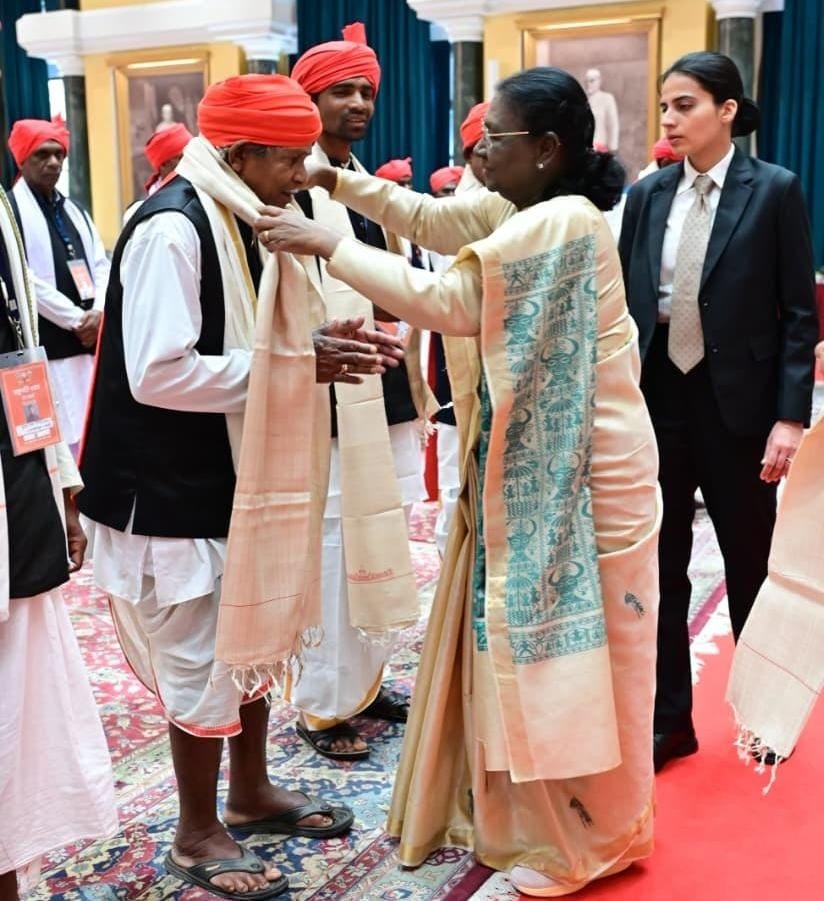

Narayanpur’s Manjhi-Chalki leaders and Bastar Pandum winners present Chhattisgarh’s rich tribal traditions at India’s highest constitutional office
Raipur (Economy India): Bastar’s vibrant tribal heritage received national recognition as a special delegation from Narayanpur district met President Droupadi Murmu at Rashtrapati Bhavan, showcasing the region’s centuries-old traditions, indigenous governance system, and rich cultural legacy.
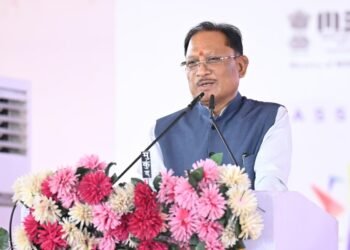
The delegation, led under the guidance of Chhattisgarh Chief Minister Vishnu Deo Sai, visited Rashtrapati Bhavan on July 30, 2026, where members introduced the President to Bastar’s unique customs, folk traditions, tribal craftsmanship, and community-based governance.
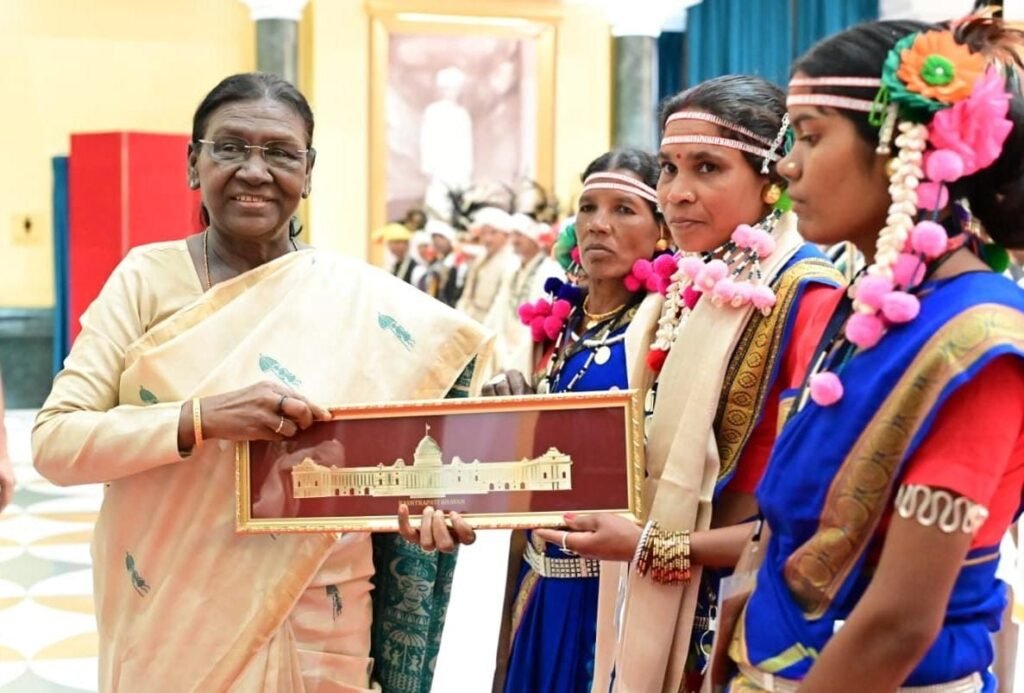
Bastar’s Cultural Identity Takes Centre Stage
The delegation comprised winners of the Bastar Pandum cultural competition, traditional Manjhi-Chalki representatives, and Padma Shri award-winning artists, reflecting the diversity and richness of Bastar’s tribal culture.
The interaction highlighted the importance of preserving indigenous traditions while promoting tribal heritage on a national platform.

Journey from Narayanpur to New Delhi
The cultural delegation began its journey from Narayanpur on July 27, when Municipal Council Chairman Indra Prasad Baghel flagged off the team for New Delhi.
The visit marked a proud moment for the district, providing an opportunity to represent Bastar’s cultural identity before the President of India.
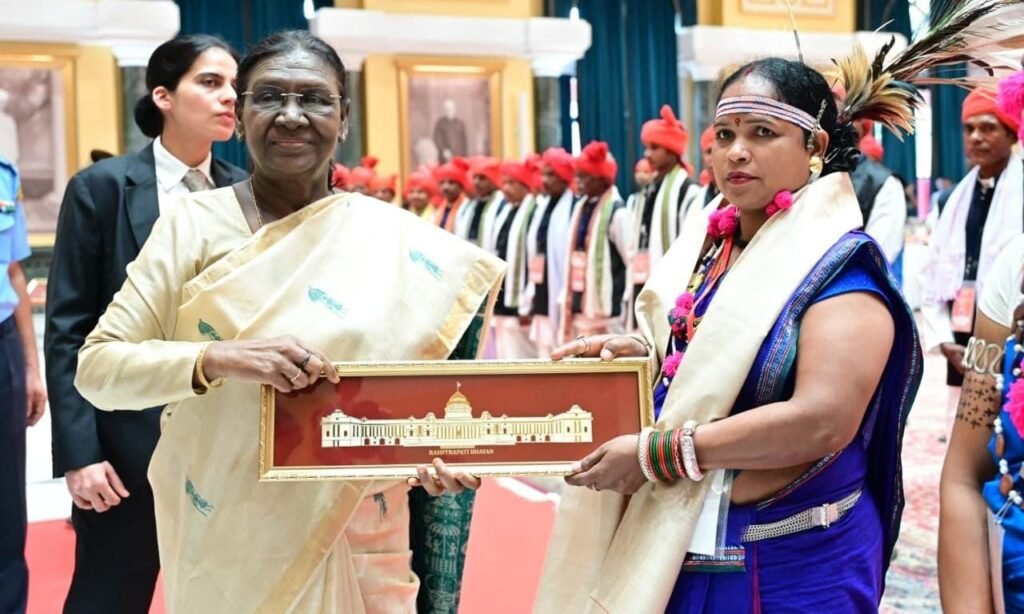
Tribal Artisans and Traditional Leaders Represent Bastar
Among those who met the President were Mungdi Korram and Sudni Dugga, winners in the tribal jewellery category of the Bastar Pandum competition. They shared insights into Bastar’s traditional ornaments and their cultural significance.
The delegation also included traditional tribal leaders representing Bastar’s indigenous governance system:
- Rajaram, Manjhi of Edka Pargana
- Sudhawaram Karanga, Manjhi of Karangal Pargana
- Mangtu Ram Dhruv, Manjhi of Gotali Pargana
- Guddu Potai, Manjhi of Nurdesh Pargana
- Somaru Ram, Chalki of Karangal Pargana
They explained the traditional administrative structure, customs, and community practices that continue to play an important role in tribal society.
Recognition for Bastar’s Tribal Heritage
The visit is being viewed as a significant milestone for Bastar and Narayanpur, bringing the region’s cultural wealth to national attention.
Cultural experts believe that such engagements will encourage the preservation, promotion, and documentation of India’s tribal traditions while creating wider awareness of Bastar’s unique heritage.
Strengthening India’s Cultural Diversity
The interaction at Rashtrapati Bhavan also underscores the growing emphasis on recognising and celebrating India’s indigenous communities. By providing national visibility to tribal art, governance traditions, and cultural practices, such initiatives contribute to preserving India’s diverse cultural identity for future generations.