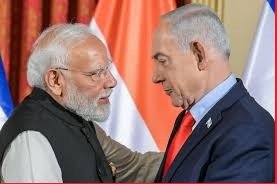
PM Modi engages regional leaders as India balances diplomacy, energy security, and diaspora safety
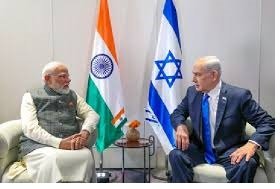
New Delhi (Economy India): Prime Minister Narendra Modi on Monday held a telephonic conversation with Israeli Prime Minister Benjamin Netanyahu, discussing the rapidly deteriorating security situation in West Asia amid an unprecedented escalation involving Israel, Iran, and the United States.
During the call, Prime Minister Modi conveyed India’s serious concerns over recent developments, underlined the importance of civilian safety, and reiterated New Delhi’s position that an early cessation of hostilities is essential to prevent a wider regional conflict.
The conversation comes at a time when West Asia is witnessing one of its most volatile phases in decades, with direct military confrontation, retaliatory strikes, and rising fears of a prolonged regional war that could have far-reaching humanitarian, economic, and geopolitical consequences.
Modi’s Message: Civilian Lives Must Remain the Priority
In a public statement shared on social media platform X, Prime Minister Modi said:
“Had a telephone call with PM Benjamin Netanyahu to discuss the current regional situation. Conveyed India’s concerns over recent developments and emphasised the safety of civilians as a priority. India reiterates the need for an early cessation of hostilities.”
Indian officials said the message reflected India’s consistent diplomatic approach, which stresses restraint, dialogue, and the protection of innocent lives during conflicts.
India has historically maintained working relations with all major stakeholders in West Asia, including Israel, Iran, and the Gulf nations, positioning itself as a country that advocates stability rather than escalation.
Trigger Point: US–Israel Strikes on Iran and the Death of Iran’s Supreme Leader
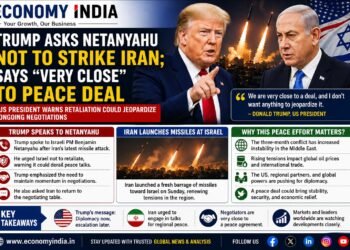
The phone call followed dramatic developments in the region after US and Israeli forces carried out coordinated military strikes on Iran, reportedly resulting in the killing of Iran’s Supreme Leader Ayatollah Ali Khamenei.
The incident marks a watershed moment in Middle Eastern geopolitics, as the death of Iran’s highest authority has sent shockwaves across the region and beyond.
Iran, in response, has launched missile and drone attacks targeting Israel and other locations in West Asia, sharply escalating tensions and raising the spectre of a broader conflict that could draw in multiple regional and global powers.
Why the Current Crisis Is Different From Past Conflicts
Geopolitical analysts point out that the present crisis differs significantly from earlier episodes of tension in West Asia:
- Direct military confrontation rather than proxy conflicts
- Involvement of global powers, including the US
- Threats to critical energy routes
- Increased risk to civilian populations and infrastructure
Unlike earlier standoffs that were largely contained, the current situation carries the risk of systemic disruption to global energy markets and trade flows, making it a matter of global concern.
India’s Strategic Stakes in West Asia
India’s concern over the West Asia crisis is driven by multiple strategic, economic, and humanitarian factors.
1. Energy Security
India imports nearly 90% of its crude oil requirements, with a significant portion sourced from West Asian countries. Any prolonged instability threatens to disrupt supplies or push prices sharply higher.
A major concern is the Strait of Hormuz, through which:
- About 20% of global oil trade passes
- Nearly 50% of India’s crude imports transit
Even the threat of disruption can fuel price volatility, inflation, and fiscal pressure.
2. Indian Diaspora
Over eight million Indians live and work in West Asia, contributing significantly to India’s remittance inflows. Ensuring their safety is a top priority for New Delhi.
Any escalation that spreads beyond current flashpoints could:
- Disrupt employment
- Trigger evacuations
- Impact remittances and household incomes in India
3. Trade and Investment
West Asia is a major destination for Indian exports and a key source of investment. Prolonged conflict could:
- Disrupt shipping routes
- Increase insurance and logistics costs
- Slow trade growth
PM Modi’s Outreach to UAE Signals Broader Diplomatic Engagement
In a parallel diplomatic move, Prime Minister Modi on Sunday night spoke with Sheikh Mohamed bin Zayed Al Nahyan, President of the United Arab Emirates.
During the conversation, PM Modi strongly condemned recent attacks on the UAE and expressed India’s solidarity with the Gulf nation, reaffirming New Delhi’s commitment to peace and regional stability.
India and the UAE share a comprehensive strategic partnership, encompassing:
- Energy cooperation
- Trade and investment
- Defence and security collaboration
- Technology and innovation
- People-to-people ties
The UAE is also among India’s largest trading partners, making stability in the Gulf region economically vital.
India’s Balanced Diplomacy: A Delicate Tightrope
India’s engagement with both Israel and key Arab nations reflects a carefully calibrated foreign policy, avoiding alignment with any single bloc while maintaining constructive relations with all sides.
Key pillars of India’s West Asia policy include:
- Strategic autonomy
- Non-intervention
- Dialogue over confrontation
- Respect for sovereignty
- Protection of civilians
This balanced approach has allowed India to:
- Deepen defence and technology ties with Israel
- Maintain energy and connectivity links with Iran
- Strengthen economic partnerships with Gulf states
Economic Fallout: Oil, Inflation, Markets
The West Asia crisis is already having visible economic repercussions.
Oil Prices
- Brent crude has shown increased volatility
- Any prolonged disruption could push prices well above current levels
Inflation Risks
- Higher oil prices could fuel:
- Transport costs
- Food inflation
- Manufacturing expenses
Financial Markets
- Global equity markets remain on edge
- Safe-haven assets like gold are seeing increased demand
For India, higher energy prices could strain:
- The fiscal deficit
- Current account balance
- Household budgets
Government Preparedness and Contingency Planning
Indian authorities have been actively monitoring developments and preparing contingency plans.
Key measures include:
- Diversifying crude oil suppliers
- Maintaining adequate strategic petroleum reserves
- Engaging diplomatically with regional partners
- Ensuring readiness for evacuation of Indian nationals if required
Officials said India currently has sufficient crude and fuel stocks to manage short-term disruptions, though a prolonged crisis would inevitably raise costs.
Global Diplomatic Efforts Underway
International actors, including the United Nations and major powers, have called for restraint and de-escalation. However, analysts warn that miscalculations or further provocations could spiral quickly.
The situation remains fluid, with developments unfolding on a daily basis and diplomatic channels under intense pressure.
Economy India View
India’s response to the unfolding West Asia crisis underscores its role as a responsible global stakeholder that prioritises peace, civilian protection, and stability.
By engaging directly with key regional leaders, Prime Minister Modi has signalled India’s readiness to:
- Voice concerns
- Advocate de-escalation
- Protect national interests
- Support regional stability
As the crisis evolves, India’s balanced diplomacy and economic preparedness will be critical in navigating the uncertain weeks ahead.
(Economy India)