
• ABOUT US
  • CONTACT
  • TEAM
  • TERMS & CONDITIONS
  • GUEST POSTS
Wednesday, August 12, 2026
  • Login
Economy India
No Result
View All Result
  • Home
  • Economy
  • Business
  • Companies
  • Finance
  • People
  • More
    • Insurance
    • Interview
    • Featured
    • Health
    • Technology
    • Entrepreneurship
    • Opinion
    • CSR
    • Stories
  • Home
  • Economy
  • Business
  • Companies
  • Finance
  • People
  • More
    • Insurance
    • Interview
    • Featured
    • Health
    • Technology
    • Entrepreneurship
    • Opinion
    • CSR
    • Stories
No Result
View All Result
Economy India
No Result
View All Result
Home Economy

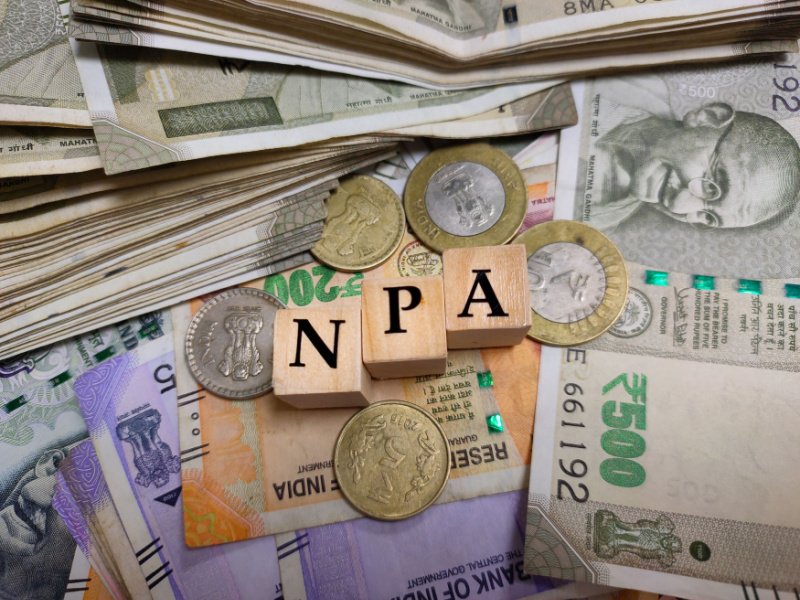
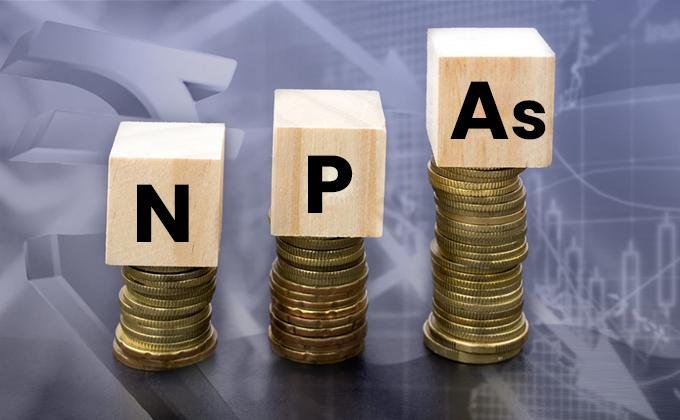
India’s Gross NPAs Drop to 2.58% in FY25 from 9.11% in FY21 Amid Major Banking Reforms

India has achieved a significant milestone in strengthening its banking sector. The gross Non-Performing Assets (NPAs) of public sector banks (PSBs) have dropped sharply from 9.11% in March 2021 to 2.58% by the end of March 2025, as per data released by the Reserve Bank of India (RBI).

by Economy India
July 23, 2025
Reading Time: 3 mins read
NPA reduction, RBI reforms, public sector banks, IBC, SARFAESI, Indian banking sector, asset recovery, financial reforms India, Pankaj Chaudhary

NPA reduction, RBI reforms, public sector banks, IBC, SARFAESI, Indian banking sector, asset recovery, financial reforms India, Pankaj Chaudhary

SHARESHARESHARESHARE
india csr awards
ADVERTISEMENT

Structural and institutional reforms, including IBC, DRT revamp, and RBI’s prudential measures, have led to a sharp decline in public sector banks’ NPAs over the past five years.


New Delhi (Economy India): India has achieved a significant milestone in strengthening its banking sector. The gross Non-Performing Assets (NPAs) of public sector banks (PSBs) have dropped sharply from 9.11% in March 2021 to 2.58% by the end of March 2025, as per data released by the Reserve Bank of India (RBI). This remarkable turnaround is attributed to a wide range of reforms and recovery-focused measures undertaken by the government and RBI.
India's Gross NPAs Drop to 2.58% in FY25 from 9.11% in FY21 Amid Major Banking Reforms
India’s Gross NPAs Drop to 2.58% in FY25 from 9.11% in FY21 Amid Major Banking Reforms

The year-wise gross NPAs and their ratios are as follows:

DateGross NPAs (₹ Crore)NPA Ratio (%)
31-Mar-20216,16,6169.11
31-Mar-20225,40,9587.28
31-Mar-20234,28,1974.97
31-Mar-20243,39,5413.47
31-Mar-20252,83,6502.58
India's Gross NPAs Drop to 2.58% in FY25 from 9.11% in FY21 Amid Major Banking Reforms
India’s Gross NPAs Drop to 2.58% in FY25 from 9.11% in FY21 Amid Major Banking Reforms

Government-RBI Initiatives Driving NPA Reduction

19th India CSR Leadership Summit 2026
ADVERTISEMENT

The sharp fall in NPAs stems from sweeping structural and institutional changes aimed at enhancing recovery mechanisms and tightening lending discipline.

  1. IBC Revolutionized Recovery Framework:
    The Insolvency and Bankruptcy Code (IBC) has fundamentally altered debtor-creditor dynamics by empowering creditors, disqualifying wilful defaulters from the resolution process, and bringing personal guarantors under the code’s ambit.
  2. Legal Amendments Strengthen Enforcement:
    Acts like the SARFAESI Act, 2002, and the Recovery of Debts and Bankruptcy Act have been amended to strengthen enforcement and asset recovery. DRT’s jurisdiction threshold was raised from ₹10 lakh to ₹20 lakh to prioritize high-value recovery cases.
  3. Special Recovery Units in Banks:
    PSBs have created dedicated stressed asset recovery cells and branches to streamline monitoring and resolution. Business correspondents and the “feet-on-street” model have boosted grassroots-level follow-ups.
  4. Prudential Framework for Early Resolution:
    RBI issued guidelines mandating early recognition, reporting, and resolution of stressed assets through a defined framework. Timely adoption of resolution plans has also been incentivized.
  5. Independent Asset Valuation Mandates:
    Banks must now follow board-approved policies for independent asset valuations before sanctioning large loans or selling collateral under the SARFAESI Act. Properties above ₹50 crore require two independent valuations, and e-auctions are encouraged for transparent asset disposal.
  6. Safeguards Against Inflated Valuation:
    RBI’s guidelines empower banks to seek clarifications from valuers suspected of inflating asset prices and to report them to the Indian Banks’ Association (IBA).
  7. Joint Lender Forums & Panel Valuations:
    Under RBI’s 2015 master circular, collateral valuations must be reviewed every three years by empanelled professionals. Joint Lender Forums (JLFs) also ensure a unified and timely recovery approach.

Minister’s Statement in Parliament

Minister of State for Finance, Shri Pankaj Chaudhary, shared this data and reform overview in a written reply in the Rajya Sabha today, underscoring the success of the government’s and RBI’s coordinated efforts to clean up the banking sector.


India’s Gross NPAs Drop to 2.58% in FY25 | NPA Recovery Reforms

(Economy India)

Source: Economy India
Tags: asset recoveryfinancial reforms IndiaIBCIndian Banking SectorNPA reductionPankaj ChaudharyPublic Sector BanksRBI reformsSARFAESI
19th India CSR Leadership Summit 2026
Economy India

Economy India

Economy India is one of the largest media on the Indian economy. It provides updates on economy, business and corporates and allied affairs of the Indian economy. It features news, views, interviews, articles on various subject matters related to the economy and business world.

Related Posts

Banks Write Off Nearly ₹10 Lakh Crore in Loans to Large Corporates Over 12 Years
Economy

Banks Write Off Nearly ₹10 Lakh Crore in Loans to Large Corporates Over 12 Years

August 10, 2026
FDI Easing in E-Commerce May Open Door to Wider Online Retail Liberalisation: GTRI
Economy

FDI Easing in E-Commerce May Open Door to Wider Online Retail Liberalisation: GTRI

July 23, 2026
Rugda Mushroom: Health Benefits
Agricultural

Rugda Mushroom: India’s Seasonal Forest Delicacy and Its Amazing Health Benefits

July 7, 2026
RBI Appoints Monisha Chakravarti as Executive Director
Economy

RBI to Conduct ₹1 Lakh Crore VRR Auction on Friday to Manage System Liquidity

June 19, 2026
India’s Wholesale Inflation Hits 43-Month High of 9.68% in May; Fuel, Food and Manufacturing Costs Surge
Economy

India’s Wholesale Inflation Hits 43-Month High of 9.68% in May; Fuel, Food and Manufacturing Costs Surge

June 15, 2026
Rupee Volatility Driven by Global and Domestic Factors, Says Finance Minister Nirmala Sitharaman
Economy

Rupee Volatility Driven by Global and Domestic Factors, Says Finance Minister Nirmala Sitharaman

June 15, 2026
Next Post
India’s Sustainable Growth Makes It a Pillar of Global Stability

India’s Sustainable Growth Makes It a Pillar of Global Stability

CSR-Raigarh-Summit
ADVERTISEMENT
ESG Professional Network
ADVERTISEMENT

LATEST NEWS

Nine Killed in Lightning Strikes Across Three Bihar Districts

Lalithaa Jewellery Mart to Launch Rs 1,700 Crore IPO on August 17

Fascinate Textiles IPO to Open on August 11, Targets Rs. 66.98 Crore

US Court Permanently Dismisses Criminal Case Against Adanis; Gautam Adani Says ‘Truth Has Prevailed’

Gold Futures Rise to Rs 1.54 Lakh per 10 Grams on Strong Spot Demand

Diabetes and High Blood Pressure Risk Rising Rapidly Among Adults in Delhi-NCR: Study

NDA MPs Welcome PM Modi With Tricolour at ‘Mangal Milan’ Parliamentary Meeting

Cottonseed Oil Cake Futures Fall as Demand Remains Weak

  • ABOUT US
  • CONTACT
  • TEAM
  • TERMS & CONDITIONS
  • GUEST POSTS

Copyright © 2024 - Economy India | All Rights Reserved

Welcome Back!

Login to your account below

Forgotten Password?

Retrieve your password

Please enter your username or email address to reset your password.

Log In
No Result
View All Result
  • Home
  • Economy
  • Business
  • Companies
  • Finance
  • People
  • More
    • Insurance
    • Interview
    • Featured
    • Health
    • Technology
    • Entrepreneurship
    • Opinion
    • CSR
    • Stories

Copyright © 2024 - Economy India | All Rights Reserved