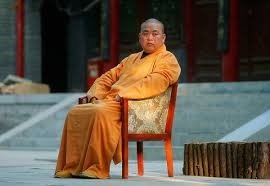

Ex-Shaolin Temple Chief Convicted on Graft and Corruption Charges
BEIJING (Economy India): Shi Yongxin, the former head monk of China’s globally renowned Shaolin Temple who played a major role in popularising kung fu internationally, has been sentenced to 24 years in prison on corruption-related charges, Chinese state media reported on Friday.
According to state-run Xinhua news agency, Shi was convicted by the Intermediate People’s Court of Xinxiang City in central China’s Henan Province on multiple charges, including duty encroachment, embezzlement of funds and bribery.
The court also imposed a fine of 3.5 million yuan (approximately USD 516,000) on the former monk.
Once Seen as the Face of Modern Shaolin
Shi Yongxin was widely recognised as one of the most influential Buddhist figures in modern China and was often credited with transforming the Shaolin Temple into a global cultural and martial arts symbol.

Under his leadership, the centuries-old Shaolin Temple gained worldwide popularity through international kung fu performances, cultural exchanges, tourism initiatives and commercial expansion.
The temple became a major global attraction associated with Chinese martial arts, Buddhism and traditional culture.
Removed Last Year Over Alleged Misconduct
Shi was removed from his position and detained in July last year following allegations of serious misconduct and violations of Buddhist monastic principles.
According to previous reports, the allegations included maintaining long-term improper relationships with multiple women and fathering illegitimate children.
The controversy triggered significant public debate in China over commercialisation, ethics and governance within religious institutions.
High-Profile Fall from Influence
Shi Yongxin’s downfall marks one of the most high-profile cases involving a religious leader in China in recent years.
The former monk had frequently appeared at international events and was known for promoting Shaolin culture globally, earning the nickname “CEO Monk” in Chinese media due to his modern and business-oriented management style.
However, critics had long accused him of excessive commercialisation of the Shaolin Temple and misuse of religious influence.
China’s Anti-Corruption Campaign Continues
The sentencing also reflects China’s continuing anti-corruption campaign targeting officials, influential figures and institutional leaders across multiple sectors.
Chinese authorities have intensified scrutiny of financial misconduct and abuse of power in both public and religious institutions over the past decade.
The Shaolin Temple remains one of China’s most iconic cultural and spiritual landmarks and continues to attract millions of visitors annually.
(Economy India)