State Government Moves Schools From Firewood-Based Cooking to LPG Kitchens; Also Increases Food Costs and Cook-Helper Honorarium
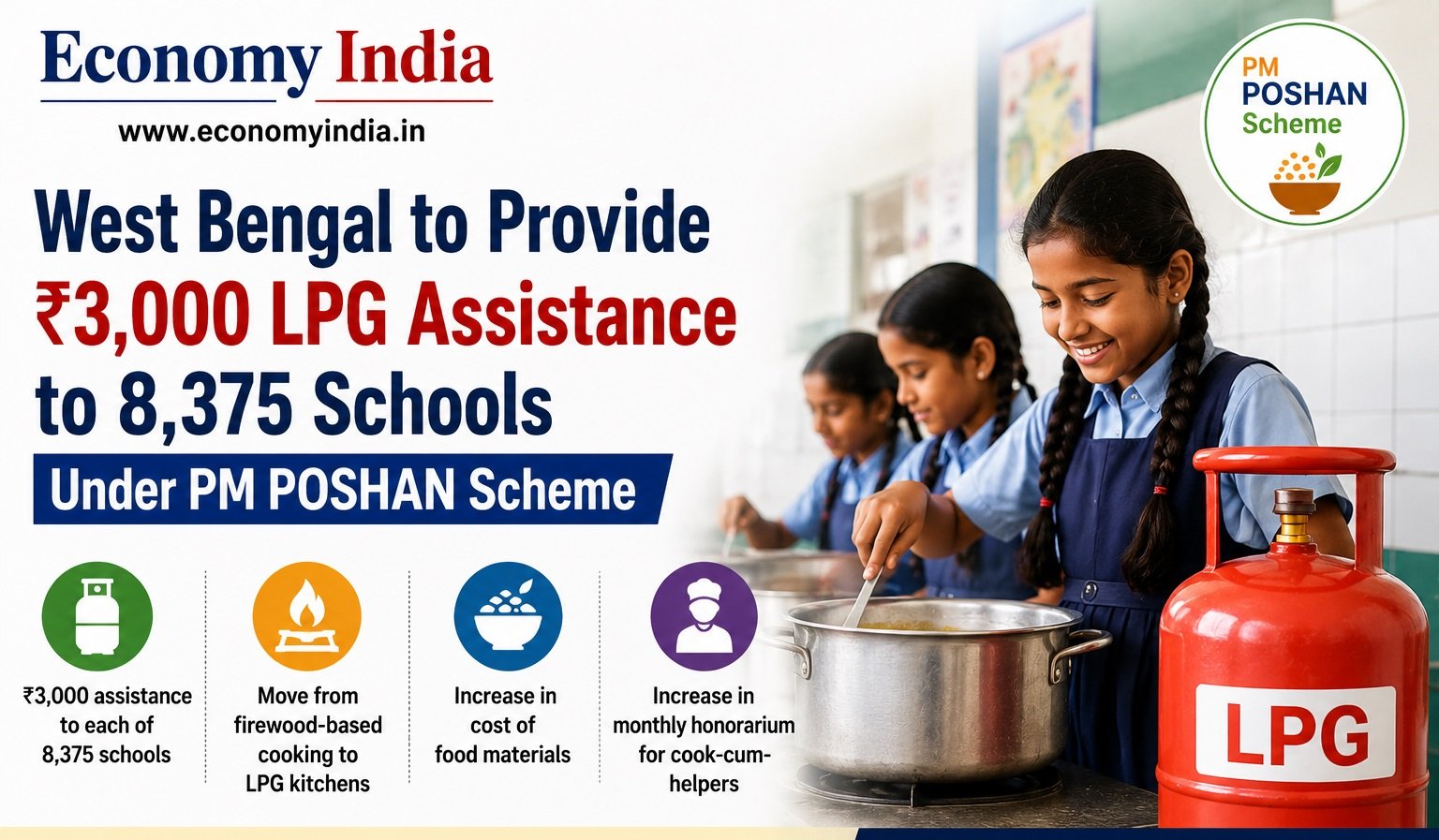
Kolkata (Economy India): The West Bengal government has decided to provide financial assistance of ₹3,000 each to 8,375 schools that currently do not have LPG connections under the PM POSHAN scheme, in a move aimed at shifting school kitchens from firewood-based cooking to cleaner LPG-based systems.
The state government issued an order on Thursday outlining the financial support for schools that have not yet been provided with LPG cooking facilities.
The initiative is expected to improve cooking conditions in school kitchens while making the preparation of meals under the government’s school nutrition programme more convenient and efficient.
₹3,000 Assistance for Each School
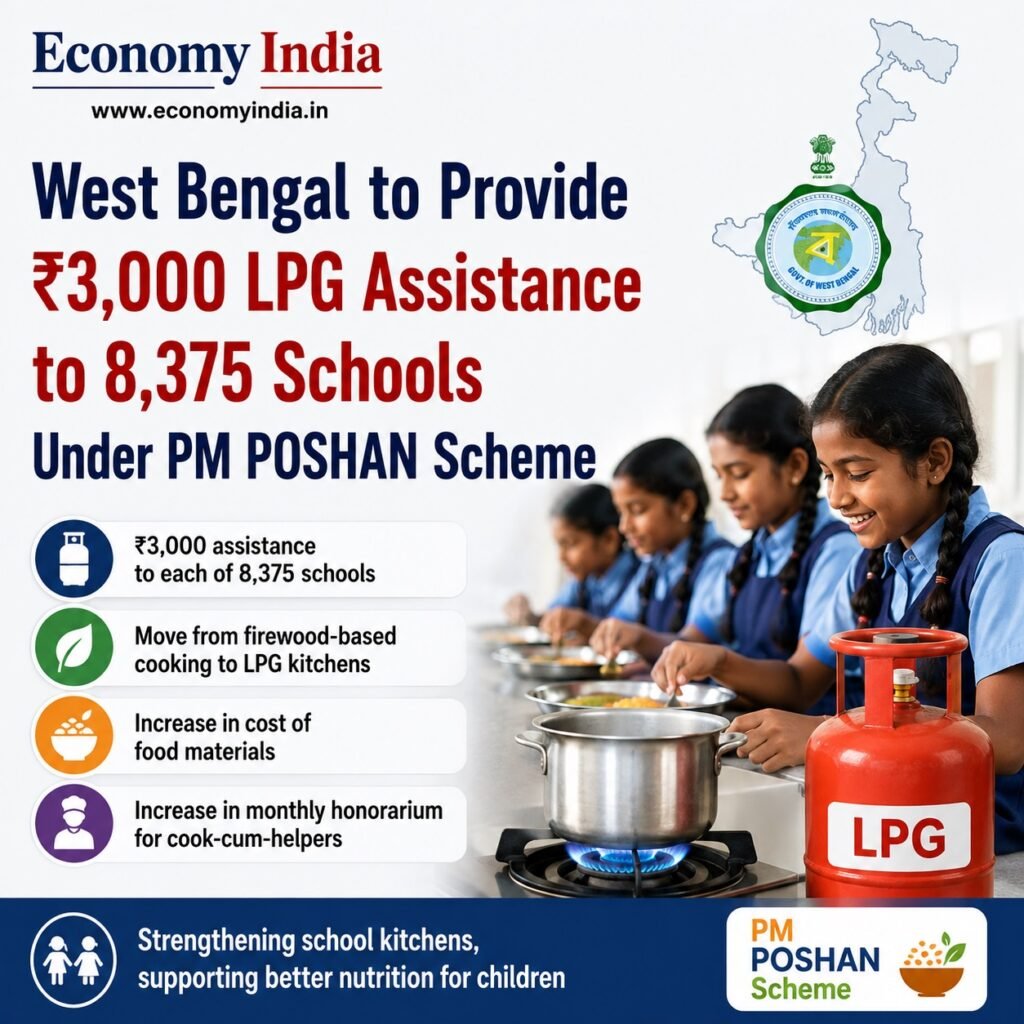
Under the latest decision, each of the 8,375 schools without LPG facilities will receive ₹3,000 to help them obtain the necessary LPG connection and move towards gas-based cooking.

The financial assistance is intended to support schools in transitioning away from traditional firewood-based cooking arrangements.
The shift is expected to benefit kitchen workers by providing a more convenient cooking system and potentially reducing exposure to smoke generated by burning firewood.
Move From Firewood to LPG Cooking
A significant number of schools that prepare meals under the PM POSHAN programme have traditionally depended on firewood or other conventional fuels.
The government’s latest initiative seeks to encourage the adoption of LPG-based cooking in schools that have remained outside the gas-based system.
LPG can provide a more controlled cooking environment and may help reduce smoke and indoor air pollution in school kitchens.
The transition could also make the daily preparation of meals more efficient for cooks and helpers working in school kitchens.
PM POSHAN Scheme
The PM POSHAN scheme, earlier known as the Mid-Day Meal Scheme, is one of India’s major school nutrition programmes.
The programme provides cooked meals to eligible schoolchildren with the objective of improving nutrition, encouraging school attendance and supporting children’s ability to concentrate on their studies.
School kitchens play a central role in implementing the programme because meals have to be prepared regularly and served to students in accordance with prescribed nutritional and food-safety standards.
Ensuring adequate cooking infrastructure is therefore an important component of the programme.
Food Material Costs Also Increased
Along with the LPG assistance, the West Bengal government has also decided to increase the cost allocation for food materials used under the school meal programme.
The increase is aimed at helping schools and implementing agencies deal with changes in the cost of ingredients required to prepare meals.
Food prices can directly affect the quality and quantity of meals served to students. Increasing the allocation could therefore provide schools with greater flexibility when purchasing essential food ingredients.
Monthly Honorarium for Cook-Helpers Raised
The state government has also increased the monthly honorarium paid to cook-cum-helpers involved in preparing and serving meals under the programme.
Cook-helpers are responsible for a range of tasks, including preparing food, maintaining kitchen operations and assisting with serving meals to students.
The increase in their monthly honorarium is expected to provide additional financial support to workers who play a key role in the implementation of the PM POSHAN programme at the school level.
Focus on Better School Kitchen Infrastructure
The latest decision brings together three important components of the school meal programme—cooking fuel, food costs and manpower support.
Providing LPG assistance can help improve the physical cooking infrastructure, while higher food allocations can support meal preparation and increased honorariums can strengthen support for kitchen workers.
Together, these measures could contribute to improving the overall functioning of school kitchens across West Bengal.
Cleaner Cooking Environment for Schools
Moving from firewood to LPG could also have environmental and health benefits.
Firewood combustion can produce smoke and particulate matter, particularly when cooking takes place in poorly ventilated spaces. LPG generally burns more cleanly than traditional solid fuels.
For school kitchens, a cleaner cooking fuel could help improve working conditions for cooks and helpers who spend considerable time preparing meals.
The transition may also reduce the dependence of schools on the regular collection or purchase of firewood.
Support for 8,375 Schools
The scale of the initiative is significant, with 8,375 schools identified for the LPG assistance.
At ₹3,000 per school, the direct financial allocation for this specific support works out to approximately ₹2.51 crore.
The assistance is intended specifically for schools that have not yet obtained LPG connections under the PM POSHAN framework.
The implementation of the programme will determine how quickly the identified schools can make the transition to LPG-based cooking.
Potential Benefits for Students
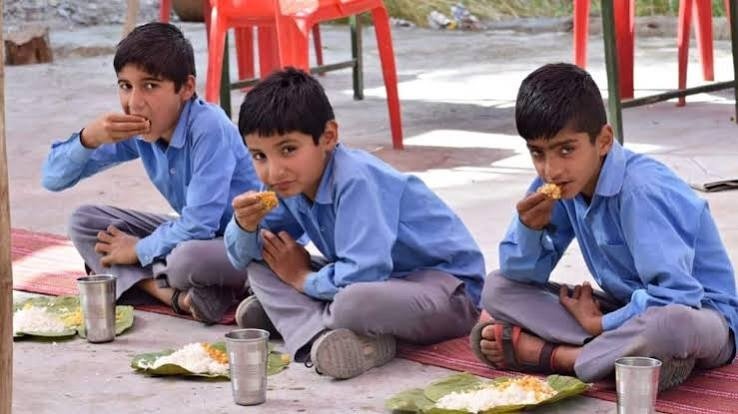
Although the financial assistance is directed towards school kitchens, the ultimate beneficiaries are expected to include students who receive meals under the PM POSHAN programme.
A more efficient cooking system can help schools prepare meals in a more organised manner, while improved kitchen conditions can support safer and more hygienic meal preparation.
The increased food-material allocation could also help schools maintain meal quality despite changes in ingredient prices.
Importance of Cook-Helpers
Cook-cum-helpers are an essential part of the school meal delivery system. They are responsible for the day-to-day preparation of food and play an important role in ensuring that meals reach students on time.
The increase in their monthly honorarium recognises the role of these workers and provides additional financial support.
For many schools, the availability of trained and motivated kitchen workers is essential for maintaining regular meal services.
Broader Significance
The latest measures reflect a broader effort to strengthen the infrastructure and operational support behind school nutrition programmes.
While providing nutritious meals is the primary objective, the quality of the cooking environment, availability of fuel and adequate support for kitchen workers are equally important for effective implementation.
The LPG assistance could therefore represent an infrastructure upgrade for thousands of school kitchens across West Bengal.
What Changes for Schools?
The 8,375 schools covered by the new decision will receive financial support of ₹3,000 each for LPG facilities.
Schools that currently rely on firewood-based cooking can use the assistance to move towards LPG-based kitchen arrangements, subject to the applicable implementation procedures.
At the same time, revised allocations for food ingredients and cook-helper honorariums are expected to provide additional operational support.
Economy India Takeaway
The West Bengal government has approved ₹3,000 each for 8,375 schools that do not currently have LPG cooking facilities under the PM POSHAN scheme.
The initiative aims to help schools shift from firewood-based cooking to LPG-based kitchens, potentially improving cooking conditions and reducing exposure to smoke.
In addition to LPG support, the state has increased the food-material cost allocation and monthly honorarium for cook-cum-helpers.
The measures are expected to strengthen school kitchen infrastructure and support the effective implementation of the PM POSHAN programme across West Bengal.
(Economy India)