Introduction
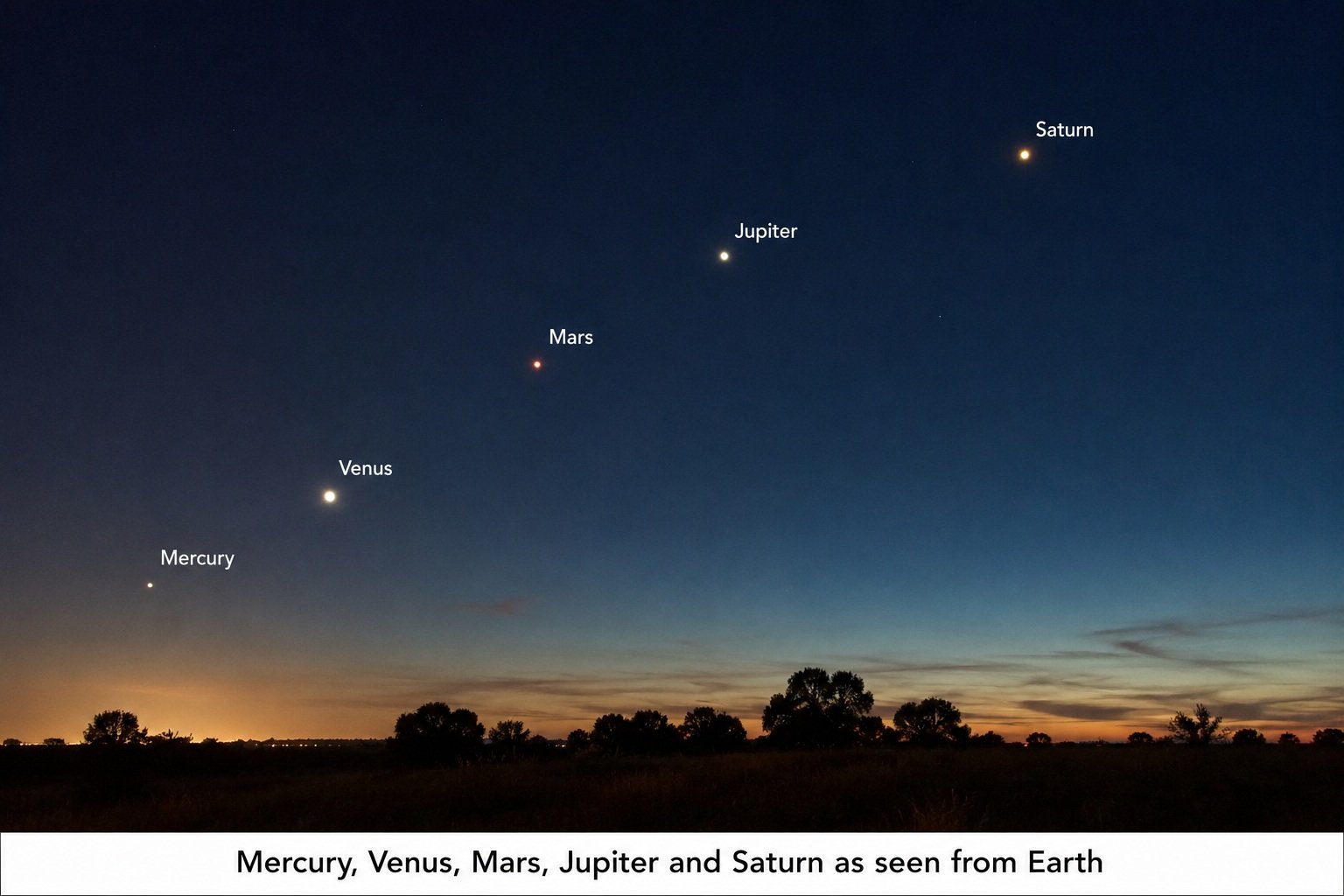
(Economy India): Have you ever looked up at the night sky and wondered whether every bright object is a star? The answer is no. While thousands of stars are visible on a clear night, several of the bright objects we see are actually planets from our own Solar System.
Unlike stars, planets do not produce their own light. Instead, they reflect sunlight, making them visible from Earth. Long before telescopes were invented, ancient astronomers observed these planets and tracked their movements across the sky. Today, with a little knowledge and the right conditions, anyone can identify several planets without using any special equipment.
In this article, we will explore which planets are visible from Earth, when you can see them, how to identify them, and which planets require a telescope.
How Many Planets Can Be Seen From Earth?
Our Solar System has eight planets, but only five of them can be easily seen with the naked eye under good viewing conditions.

These are:
- Mercury
- Venus
- Mars
- Jupiter
- Saturn
The remaining two planets—Uranus and Neptune—are generally too faint to be seen without optical instruments.
1. Mercury – The Closest Planet to the Sun
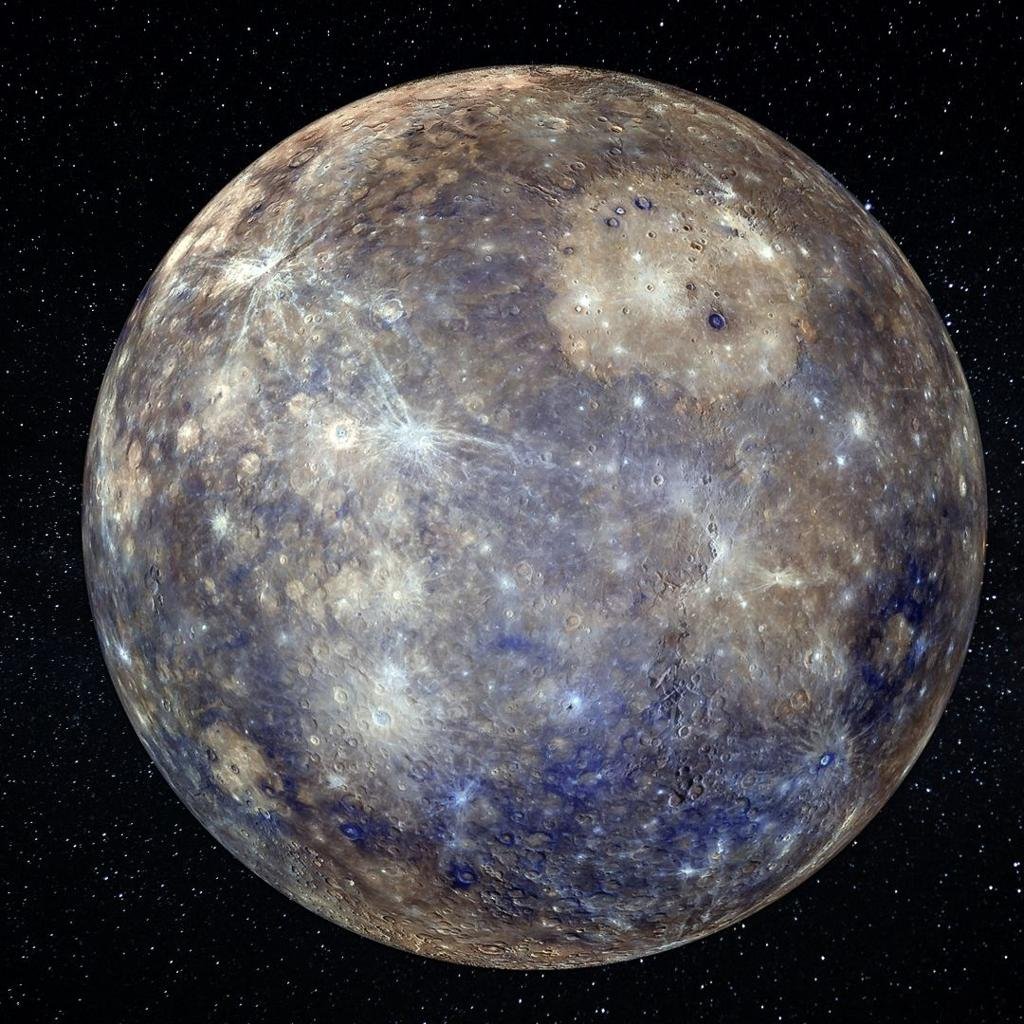
Mercury is the smallest planet in our Solar System and the closest to the Sun. Because it always stays close to the Sun in the sky, it is one of the most difficult naked-eye planets to observe.
Key Facts
- Closest planet to the Sun
- Best seen shortly before sunrise or just after sunset
- Appears low on the horizon
- Looks pale yellow or white
- Visible only for a short period during favorable conditions
Although Mercury is difficult to spot, experienced skywatchers can observe it several times each year.
2. Venus – The Brightest Planet in the Sky
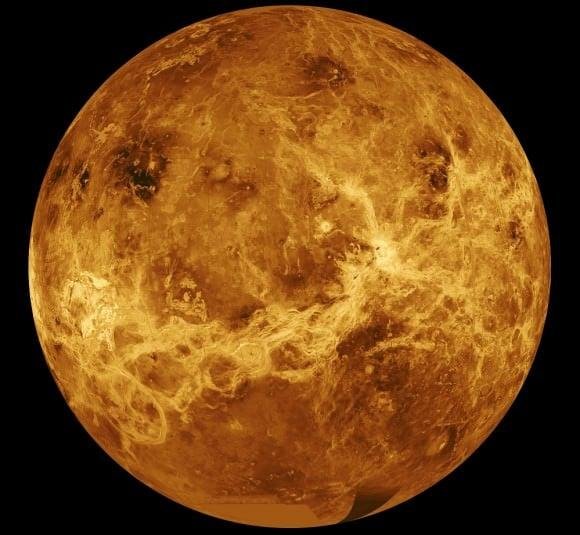
Venus is by far the brightest planet visible from Earth. It is so bright that many people mistake it for a star. Because of its brilliance, Venus is often called the Morning Star or the Evening Star, although it is actually a planet.
Key Facts
- Brightest planet visible from Earth
- Visible before sunrise or after sunset
- Can sometimes be seen even during daylight
- Appears as a brilliant white object
- Easy to identify because it rarely twinkles
Venus is one of the first celestial objects that beginners learn to recognize.
3. Mars – The Famous Red Planet
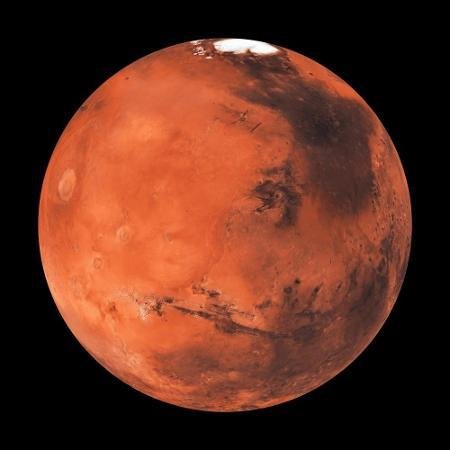
Mars is one of the easiest planets to identify because of its distinctive reddish-orange color. It has fascinated scientists and space enthusiasts for centuries due to the possibility that it may once have supported water.
Key Facts
- Known as the Red Planet
- Appears reddish or orange in the night sky
- Brightness changes depending on its distance from Earth
- Best observed every two years during opposition
Mars becomes exceptionally bright when it passes closest to Earth.
4. Jupiter – The Giant of the Solar System
Jupiter is the largest planet in our Solar System and one of the brightest objects in the night sky. Even without a telescope, it appears as a bright white light.
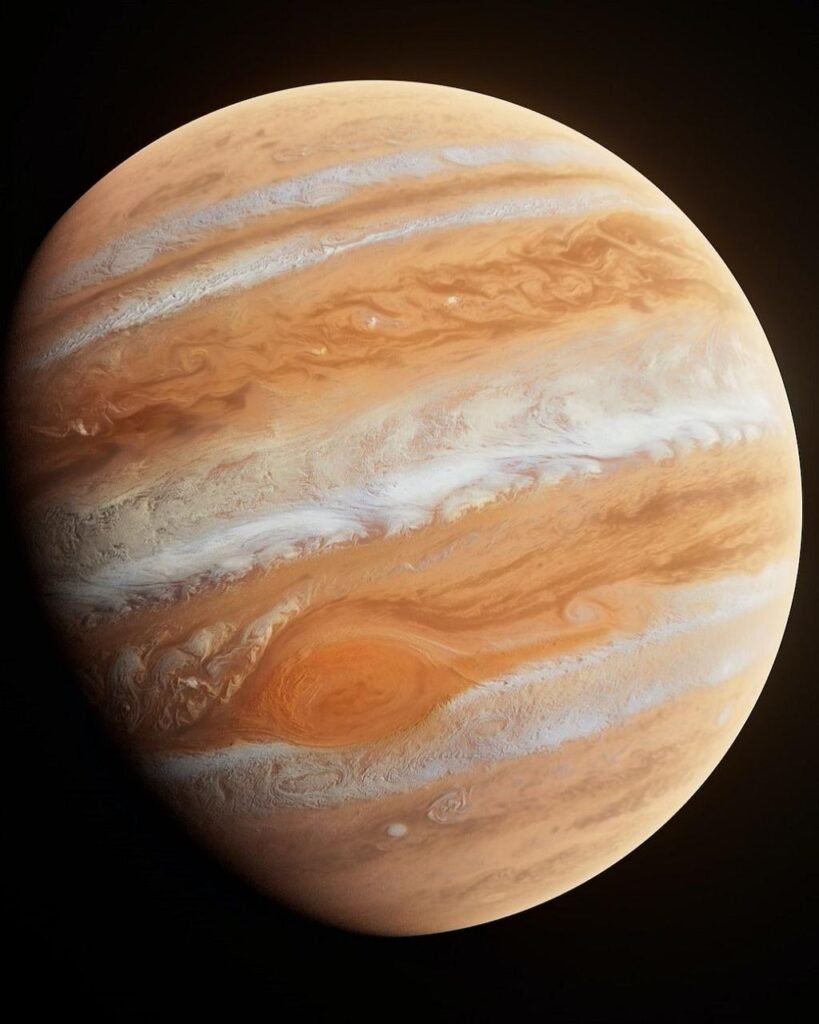
Key Facts
- Largest planet in the Solar System
- Bright white appearance
- Easily visible for many months each year
- Rarely twinkles like stars
With a small telescope or binoculars, you can even observe Jupiter’s four largest moons—Io, Europa, Ganymede, and Callisto.
5. Saturn – The Ringed Planet
Saturn is famous for its magnificent ring system. Although its rings cannot be seen with the naked eye, the planet itself is bright enough to be visible under dark skies.
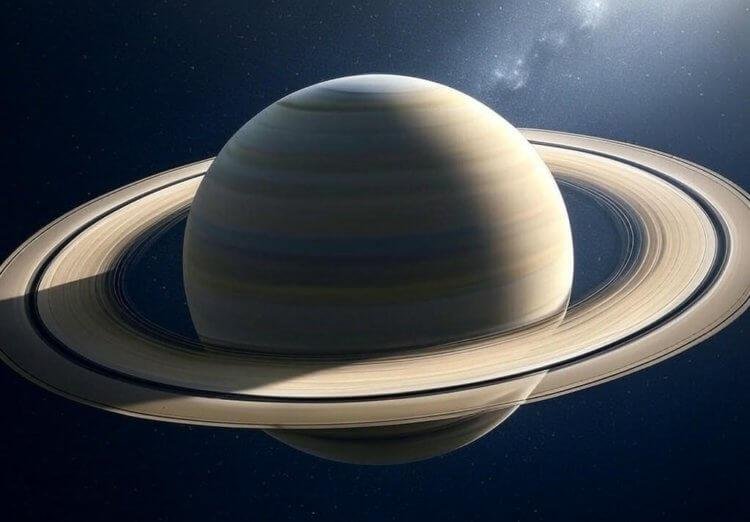
Key Facts
- Appears pale yellow
- Visible during many months of the year
- Famous for its spectacular rings
- Requires a telescope to view its rings clearly
Even a beginner’s telescope can reveal Saturn’s beautiful ring system.
Which Planets Cannot Be Seen Without a Telescope?
Uranus
Uranus is extremely faint. Under exceptionally dark skies and ideal conditions, people with excellent eyesight may barely detect it, but for most observers a telescope or binoculars is required.
Facts
- Seventh planet from the Sun
- Blue-green in color
- Usually requires optical aid
Neptune
Neptune is the farthest known planet in the Solar System and is far too dim to be seen with the naked eye.
Facts
- Eighth planet from the Sun
- Deep blue appearance
- Visible only through a telescope
How to Tell the Difference Between a Planet and a Star
Many people mistake planets for stars. Fortunately, there are several easy ways to distinguish them.
Stars
- Produce their own light
- Twinkle noticeably
- Remain fixed in recognizable constellations
Planets
- Reflect sunlight
- Usually shine steadily with little or no twinkling
- Gradually change position against the background stars over days and weeks
If a bright object shines steadily without much flickering, it is likely a planet.
Best Time to Observe Planets
To enjoy the best view of the planets, follow these simple tips:
- Choose a location away from city lights.
- Observe on a clear, cloudless night.
- Check astronomy apps to know which planets are currently visible.
- Look shortly after sunset or before sunrise.
- Visit areas with minimal light pollution for the clearest views.
Can a Telescope Improve the Experience?
Absolutely. While five planets are visible without equipment, a telescope reveals stunning details that cannot be seen with the naked eye.
With a small telescope, you can observe:
- The phases of Venus
- Surface features on Mars during favorable oppositions
- Jupiter’s cloud bands and four Galilean moons
- Saturn’s breathtaking rings
- Uranus and Neptune as small blue-green disks
A larger telescope provides even more detailed views of these fascinating worlds.
Amazing Facts About Visible Planets
- Venus is the brightest planet in Earth’s sky.
- Jupiter is the largest planet in the Solar System.
- Mars is known as the Red Planet.
- Saturn has thousands of beautiful rings made of ice and rock.
- Mercury completes one orbit around the Sun in just 88 Earth days.
- Uranus rotates on its side, unlike any other major planet.
- Neptune experiences some of the fastest winds in the Solar System.
The night sky offers much more than just stars. Mercury, Venus, Mars, Jupiter, and Saturn can all be seen from Earth without a telescope under the right conditions. Each planet has its own unique appearance, brightness, and viewing season, making stargazing an exciting hobby for people of all ages.
Whether you are a beginner or an experienced skywatcher, identifying these planets is a rewarding experience that brings you closer to understanding our place in the universe. The next time you look up at the night sky, remember that some of those bright lights are not stars—they are neighboring worlds waiting to be discovered.
(Economy India)