
Indian Researchers Create Advanced Nanotechnology-Based Platform for Precision Breast Cancer Treatment
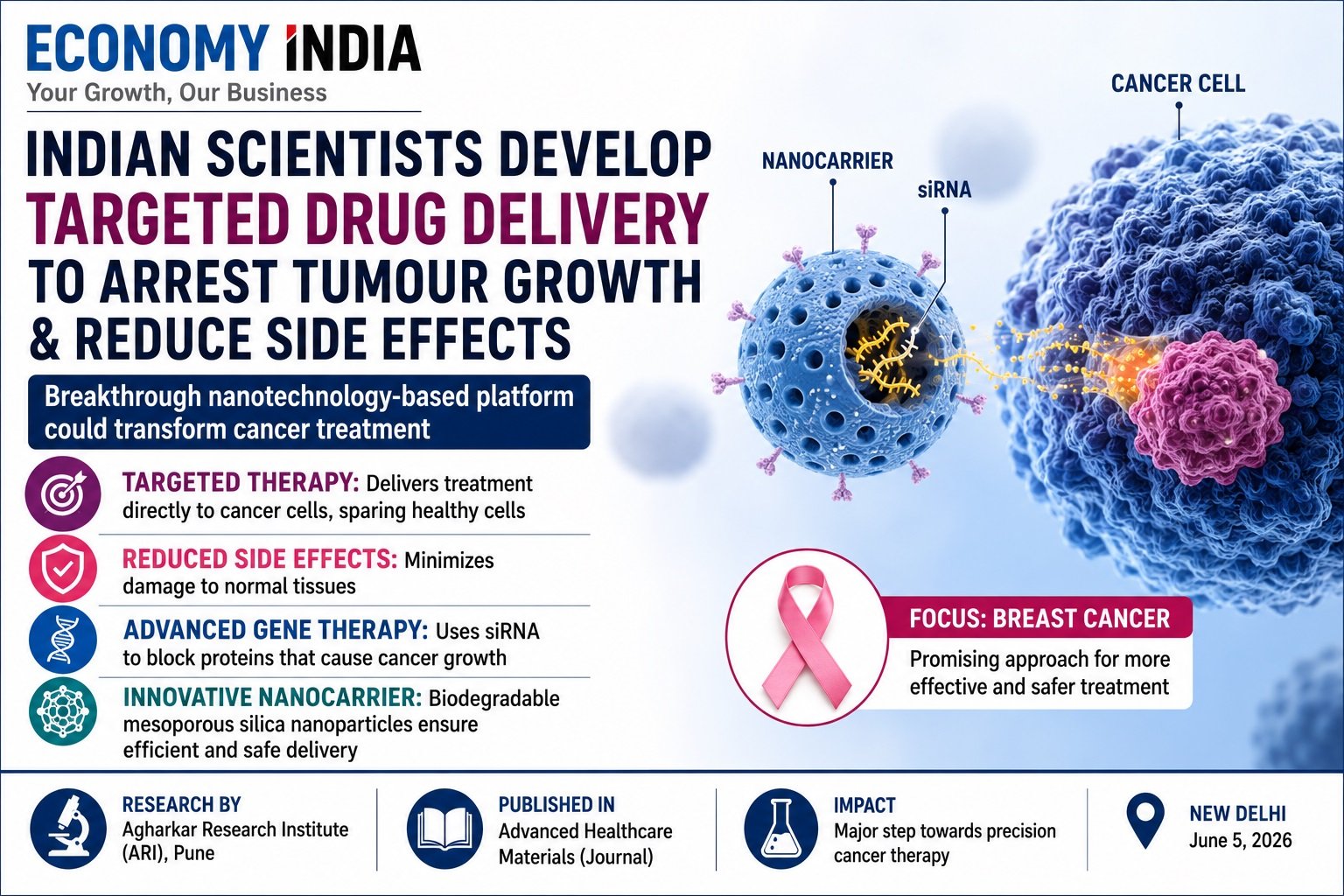
New Delhi (Economy India):In a significant breakthrough that could transform the future of cancer treatment, scientists from the Agharkar Research Institute (ARI), Pune, have developed an innovative targeted drug delivery system capable of effectively inhibiting tumour growth while significantly reducing the harmful side effects associated with conventional cancer therapies.
The research, published in the prestigious journal Advanced Healthcare Materials, introduces a biodegradable nanocarrier platform engineered specifically for targeted gene therapy in breast cancer. The breakthrough represents a major step forward in precision medicine, where treatments are designed to attack cancer cells directly while minimizing damage to healthy tissues.
Cancer remains one of the world’s leading causes of death, and despite advances in treatment, conventional therapies such as chemotherapy often affect healthy cells alongside cancerous ones. This lack of precision can result in severe side effects, reduced treatment effectiveness, and lower quality of life for patients.

The newly developed technology seeks to overcome these challenges through a highly targeted approach.
How the New Technology Works
The ARI research team designed the system using biodegradable mesoporous silica nanoparticles, a class of advanced nanomaterials known for their high drug-loading capacity and customizable surface properties.
These nanoparticles act as tiny carriers that transport therapeutic molecules directly to cancer cells. The platform delivers small interfering RNA (siRNA) molecules, which are capable of blocking the production of proteins that contribute to cancer growth and progression.
By specifically targeting tumour cells, the therapy can silence disease-causing genes while avoiding healthy cells, thereby reducing unwanted side effects.
Researchers explained that the biodegradable nature of the nanoparticles ensures that the carriers safely break down within the body after completing their function, reducing long-term toxicity risks.
A Major Advance in Breast Cancer Treatment
Breast cancer remains one of the most common cancers affecting women worldwide. Although significant progress has been made in diagnosis and treatment, many therapies still face limitations related to toxicity, drug resistance, and unintended damage to healthy tissues.
The newly developed platform addresses these concerns by combining precision targeting with gene therapy techniques.
Scientists believe the approach could potentially improve treatment outcomes by:
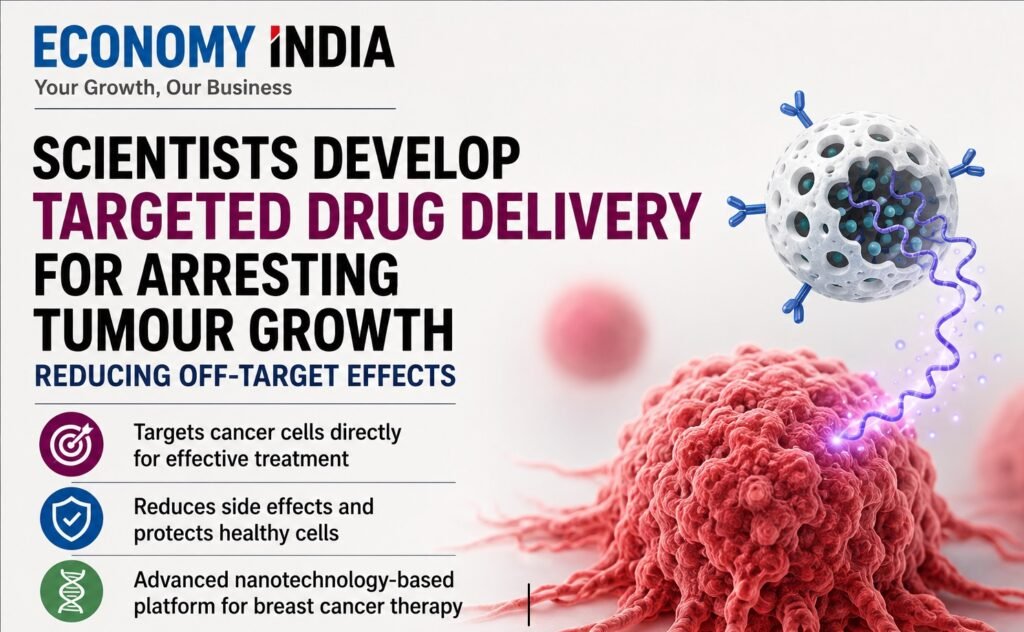
- Delivering therapies directly to tumour cells.
- Reducing damage to healthy tissues.
- Minimizing side effects associated with conventional treatments.
- Improving therapeutic efficiency.
- Enhancing patient safety and quality of life.
The technology could pave the way for more effective and personalized cancer treatments in the future.
The Growing Role of Nanotechnology in Medicine
Nanotechnology has emerged as one of the most promising fields in modern healthcare. By manipulating materials at the molecular and atomic scale, scientists can develop highly precise diagnostic tools and treatment systems.
In cancer care, nanotechnology offers the ability to:
- Deliver drugs with greater accuracy.
- Improve treatment effectiveness.
- Reduce toxicity.
- Enhance disease detection.
- Support personalized medicine approaches.
The ARI team’s latest achievement further strengthens India’s growing contribution to cutting-edge biomedical research and innovation.
Potential Future Applications
While the current study focuses on breast cancer, researchers suggest that similar targeted delivery systems could eventually be adapted for other forms of cancer and complex diseases.
The platform’s flexibility and precision may allow scientists to develop therapies for a broader range of conditions where gene silencing can play a therapeutic role.
Experts believe such advancements could help accelerate the global shift toward personalized and targeted medicine, which aims to provide more effective treatments tailored to individual patients.

Significance for India’s Scientific Community
The breakthrough highlights the growing capabilities of Indian research institutions in developing world-class healthcare innovations.
As India continues to invest in biotechnology, life sciences, and advanced medical research, innovations such as this have the potential to contribute significantly to global efforts in combating cancer and other life-threatening diseases.
The study also underscores the importance of interdisciplinary collaboration between nanotechnology, molecular biology, and medical science in creating next-generation therapeutic solutions.
Looking Ahead
Although further studies and clinical evaluations will be necessary before the technology reaches patients, the findings provide strong evidence of its potential as a safer and more effective cancer treatment strategy.
If successfully translated into clinical practice, the platform could represent a major advancement in targeted cancer therapy and offer new hope to millions of patients worldwide.
As researchers continue to refine the technology, the breakthrough serves as a reminder of how scientific innovation is reshaping the future of healthcare and bringing the world closer to more precise, personalized, and effective treatments.
(Economy India)