Jaishankar Says Global Order Is Under Stress
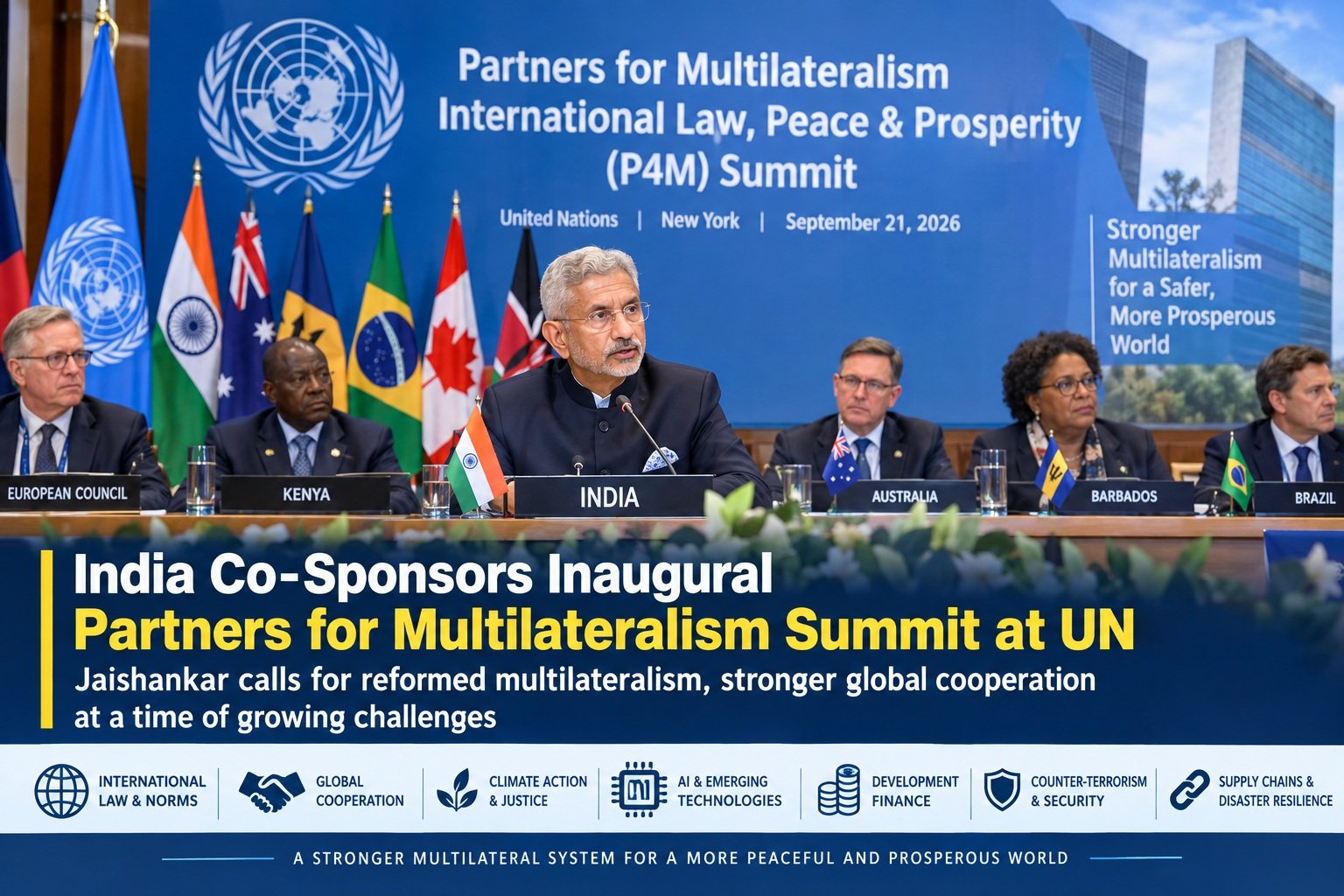
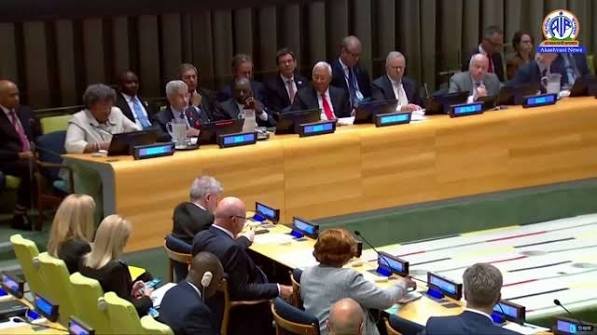
UNITED NATIONS (Economy India): India has co-sponsored the inaugural Partners for Multilateralism, International Law, Peace & Prosperity (P4M) Summit at the United Nations, with External Affairs Minister S Jaishankar calling for stronger multilateral cooperation at a time of heightened geopolitical tensions.
Jaishankar co-chaired the high-level summit on the margins of the 81st session of the UN General Assembly along with leaders and representatives from Australia, Barbados, Brazil, Canada, Kenya and the European Union.
The summit was held amid broader concerns over pressure on the multilateral system. The UN has described this year’s High-Level Week as a period focused on restoring global cooperation and addressing interconnected challenges including conflicts, climate change, development and emerging technologies.
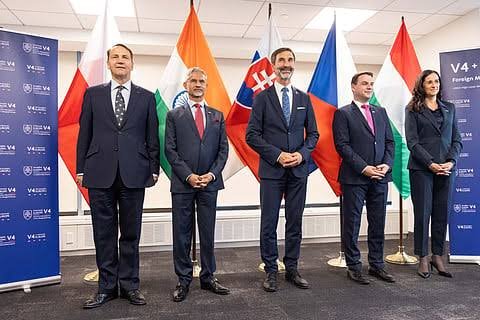
Jaishankar Says Global Order Is Under Stress
Addressing the summit, Jaishankar said the global order is under stress and argued that multilateralism needs to assert itself more strongly.
He said decades of global rebalancing had been a long-expected structural development, but that intense competition, geopolitical tensions and conflicts had given the process a different character.
According to Jaishankar, unchecked tensions could undermine the spirit of international cooperation, making stronger multilateral engagement essential.
India Calls for Reformed Multilateralism
Jaishankar said multilateralism would be better served when international law, rules and norms are consistently respected.
He called for “more participative deliberations” and “more transparent decision-making”, saying reforms to the multilateral system were overdue.
India’s position comes amid wider discussions at the UN about strengthening international cooperation and making global institutions more responsive to contemporary challenges. The UN General Assembly’s 2026 high-level week itself is being held under the theme “Restoring trust, managing transformation: A United Nations that delivers for all.”
‘4F’ Crisis of Fuel, Food, Fertiliser and Finance
Jaishankar highlighted the impact of conflicts and disruptions on essential global systems.
He referred to the “4F” crisis — fuel, food, fertiliser and finance — and said these issues could not be left unaddressed.
He also called for appropriate frameworks and safeguards as new technological capabilities and risks emerge. Where supply-chain chokepoints create vulnerabilities, he said de-risking and diversification should be encouraged.
AI, Climate and Supply Chains Among Key Concerns
The Indian External Affairs Minister said the issues at stake include international peace and security, climate action and climate justice, emerging technologies, development finance, counterterrorism, supply-chain resilience and disaster preparedness.
He stressed that progress in these areas depends on countries’ willingness to cooperate.
Jaishankar also said that achievements made so far have resulted from collective efforts and argued that countries should protect existing gains while working toward further improvements.
Global Leaders Call for Stronger Multilateral Cooperation
European Council President António Costa described the summit’s co-sponsors as a broad and diverse representation of the international community.
Kenyan President William Ruto said restoring trust in international cooperation requires institutions whose rules are applied consistently and which better reflect today’s world.
Australian Prime Minister Anthony Albanese said global challenges, including conflicts, inflation and the risks and opportunities associated with artificial intelligence, cannot be addressed by countries acting alone.
Barbados Prime Minister Mia Mottley emphasised the importance of ensuring that countries have a meaningful voice in international decision-making.
Brazilian Foreign Minister Mauro Vieira called for greater dialogue and multilateralism amid changes involving climate, technology and global production chains.
Canadian representative David Lametti said effective multilateralism requires universal institutions that uphold common principles and give countries, regardless of size, a voice.
UN Security Council Divisions Add to Multilateralism Debate
The summit comes as the UN Security Council remains divided over major international conflicts and questions of global security.
The Council’s five permanent members — China, France, Russia, the United Kingdom and the United States — hold veto powers, while the 15-member body continues to face challenges in reaching consensus on major geopolitical issues.
Against this backdrop, the P4M summit has placed renewed emphasis on international law, inclusive decision-making and cooperation among countries as participants debate how the multilateral system can respond more effectively to global challenges.
(Economy India)