Collaboration will train SBI employees and housekeeping staff on plastic segregation, collection and recycling, supporting India’s circular economy goals
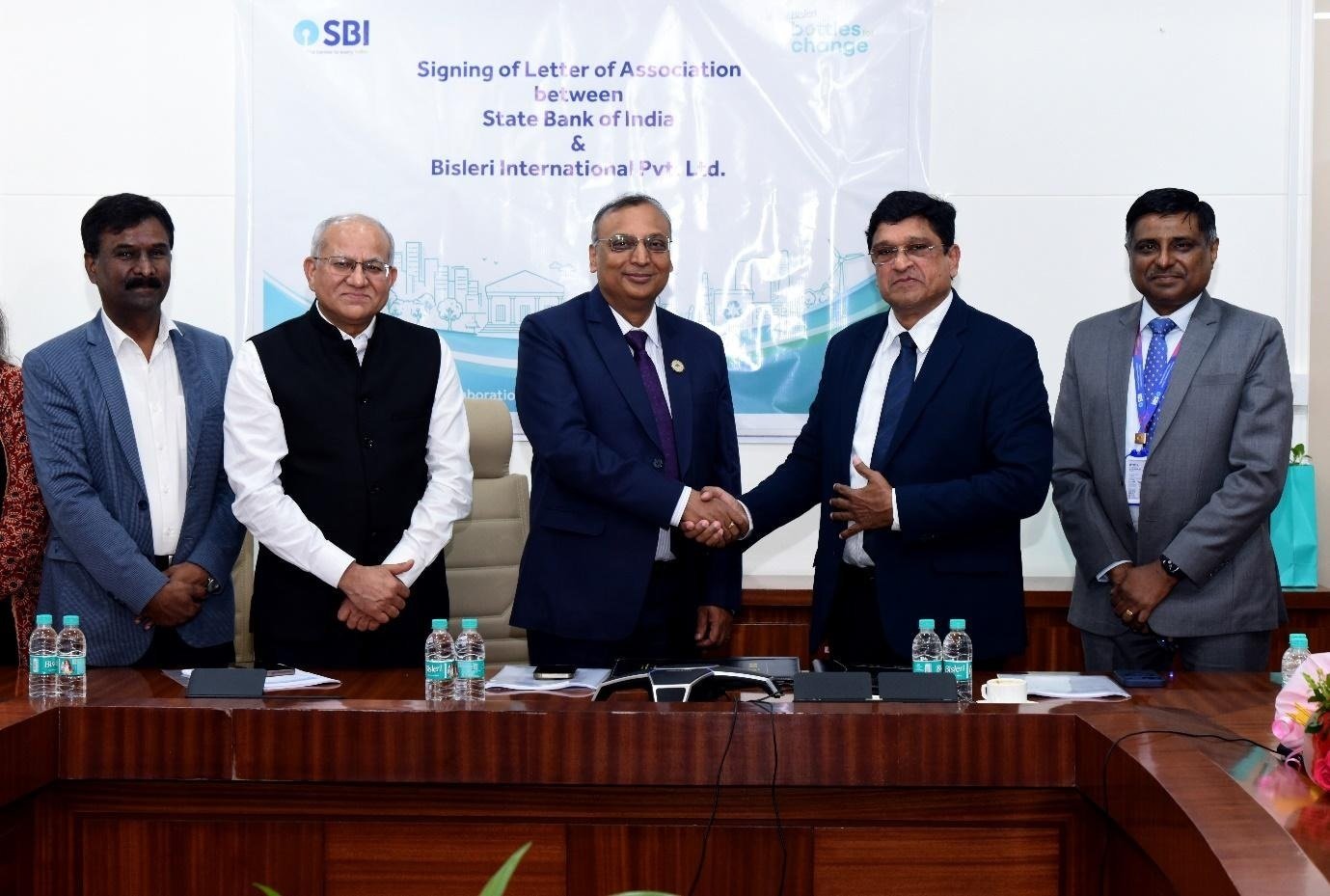
Mumbai, Maharashtra (Economy India): State Bank of India (SBI), India’s largest commercial bank, has partnered with Bisleri International Pvt. Ltd. under the latter’s ‘Bottles for Change’ initiative to promote responsible plastic waste management across SBI branches and offices.
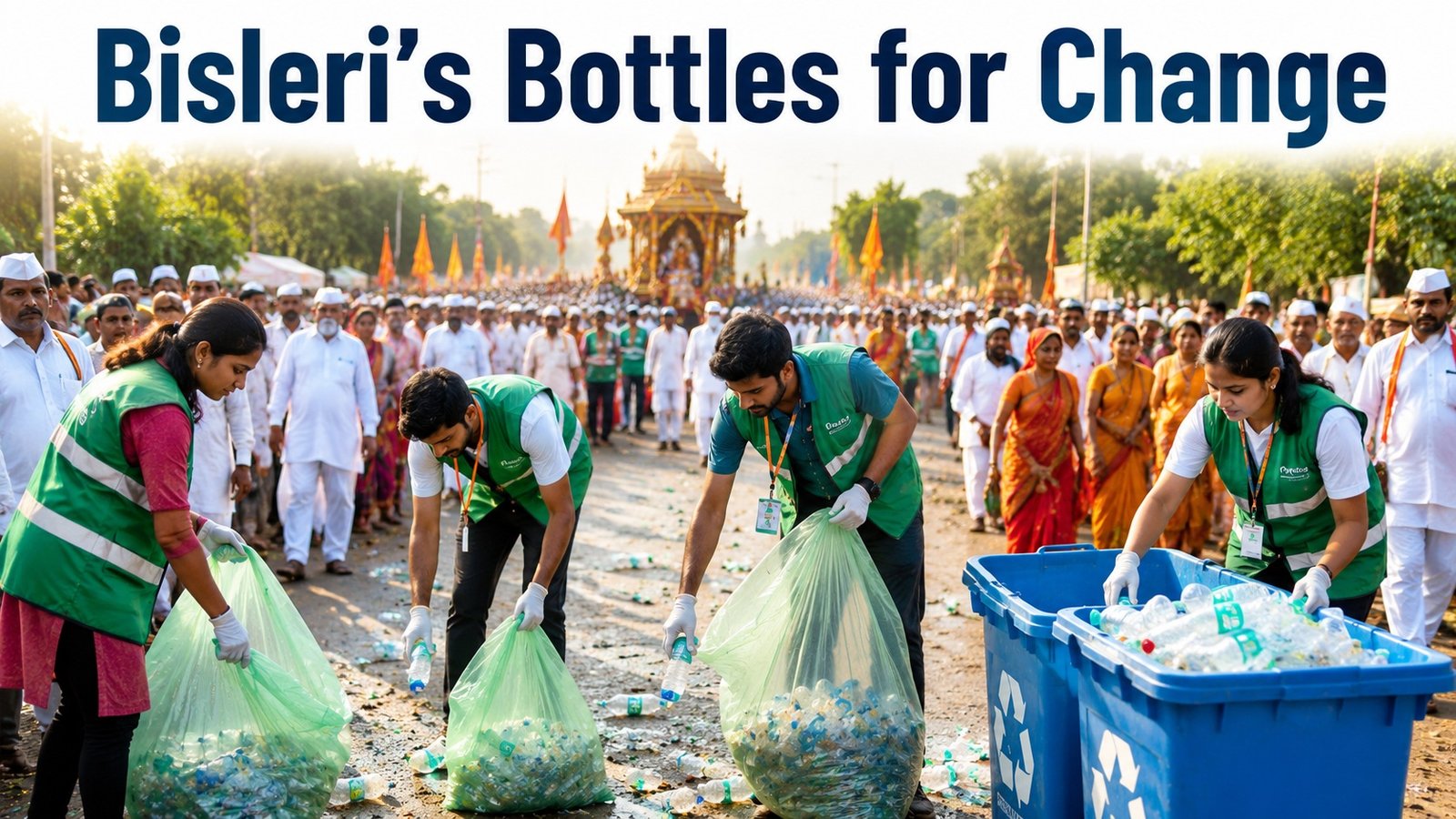
Under the collaboration, Bisleri will conduct awareness and training sessions for SBI employees and housekeeping staff on responsible plastic waste management. The initiative will also facilitate the collection of used plastic waste from SBI offices and channel it for recycling.
Bisleri’s Bottles for Change programme focuses on creating awareness around responsible segregation, collection and recycling of used plastic. The initiative works with institutions, corporates, communities and other stakeholders to strengthen the recycling ecosystem.
Building a Culture of Responsible Plastic Management
The partnership aims to integrate sustainable waste-management practices into SBI’s everyday workplace operations.

Through employee and housekeeping-staff training, the initiative will encourage proper segregation of used plastic at source, followed by collection and recycling.
Speaking on the partnership, Shri Ravi Ranjan, Managing Director (Risk, Compliance & SARG), State Bank of India, said the collaboration is intended to embed sustainable practices into workplace culture and encourage responsible choices among employees that can extend into homes and communities.
He also highlighted the importance of sustainability and climate-conscious initiatives in India’s journey towards Viksit Bharat 2047.
Bisleri’s Bottles for Change Initiative
Bisleri launched Bottles for Change to encourage responsible plastic disposal and recycling. The initiative promotes awareness about source segregation and connects participating institutions and communities with collection and recycling channels.
According to Bisleri, the programme has reached 65 cities and 52 municipal corporations, with participation from corporates, educational institutions, hotels and restaurants and residential welfare associations. The company says more than 34,888 metric tonnes of used plastic have been collected and recycled through the initiative.
Supporting the Circular Economy
The SBI-Bisleri collaboration comes at a time when businesses and institutions are increasingly focusing on circular-economy models.
Instead of treating used plastic simply as waste, responsible collection and recycling can help return plastic into productive use and reduce the amount sent to landfills.
Bisleri’s programme explains that collected plastic is sorted and channelled to recycling partners, where it can be processed into materials used for products such as fabrics, handbags and other non-edible applications.
SBI’s Sustainability Commitment
The partnership reinforces SBI’s focus on environmental stewardship across its operations.
SBI has set a goal of achieving Net Zero emissions across Scope 1, 2 and 3 by 2055, according to the information provided in the announcement.
The bank’s extensive branch and office network provides significant scope for embedding responsible waste-management practices across its operations.
By involving both employees and housekeeping teams, the programme seeks to make plastic segregation and recycling part of everyday workplace behaviour.
Bisleri’s Greener Promise
For Bisleri, the partnership forms part of its broader sustainability agenda.
The company’s Greener Promise focuses on initiatives covering recycling, water conservation and sustainability. Bisleri says it has achieved plastic neutrality and water positivity as part of these efforts.
The company has also expanded its Bottles for Change programme through collaborations with corporates, educational institutions, residential communities and other organisations.
From Workplace Awareness to Community Action
One of the potential strengths of the SBI-Bisleri partnership is its ability to take sustainability awareness beyond office premises.
Employees who learn about proper segregation and recycling at work can potentially carry those practices into their homes and communities.
This creates a broader behavioural impact:
Awareness → Segregation → Collection → Recycling → Resource Recovery → Circular Economy
Such initiatives can help bridge the gap between corporate sustainability commitments and everyday environmental practices.
A Scalable Corporate Sustainability Model
The partnership demonstrates how large institutions can work with sustainability-focused companies to build practical waste-management systems.
For SBI, the initiative provides an opportunity to strengthen environmental practices across its workplace network.
For Bisleri, collaboration with one of India’s largest banking institutions offers another platform to expand awareness around responsible plastic management.
The larger objective is to encourage businesses, employees and communities to view used plastic not simply as waste, but as a recoverable resource.
The partnership between State Bank of India and Bisleri International under the Bottles for Change initiative highlights the growing role of corporate partnerships in addressing plastic waste.
By combining employee awareness, responsible segregation, collection and recycling, the initiative aims to create a more sustainable workplace culture while contributing to India’s transition towards a circular economy.
As large institutions increasingly integrate environmental responsibility into their operations, partnerships such as this can provide a practical pathway from sustainability commitments to measurable action.
For India’s circular economy journey, responsible plastic management begins with one simple step: ensuring that used plastic enters the right recycling channel instead of the waste stream.
Source: NewsVoir / Company Release