
High-Level Talks in Kathmandu Aim to Boost Electricity Trade, Transmission Connectivity and Hydropower Development
Kathmandu (Economy India): India and Nepal have reaffirmed their commitment to expanding bilateral cooperation in the energy sector, with senior officials from both countries holding high-level discussions focused on cross-border electricity trade, transmission connectivity, hydropower development, and regional energy security.
The meeting reflects the growing strategic importance of energy cooperation between the two neighbouring countries as South Asia seeks to build an integrated and resilient regional power market.
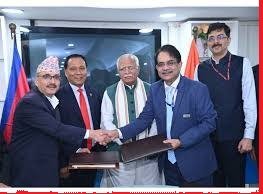
High-Level Bilateral Meeting
Nepal’s Minister for Energy, Water Resources and Irrigation, Biraj Bhakta Shrestha, held discussions with India’s Power Secretary Pankaj Agarwal and Additional Foreign Secretary Munu Mahawar in Kathmandu.
According to Nepal’s Ministry of Energy, the meeting was described as productive, with both sides reviewing ongoing collaboration and exploring new opportunities to deepen their energy partnership.

Focus on Cross-Border Electricity Trade
A key agenda of the meeting was the expansion of cross-border electricity trade, which has emerged as a cornerstone of India-Nepal economic cooperation.
Nepal has significantly increased electricity generation from its hydropower projects in recent years, creating opportunities to export surplus power to India. Enhanced electricity trade is expected to improve energy reliability, optimize resource utilization, and generate additional revenue for Nepal while helping India meet its growing clean energy requirements.
Strengthening Transmission Connectivity
The two sides also discussed accelerating the development of cross-border transmission infrastructure, a critical requirement for increasing electricity exchanges between the two countries.
Improved transmission connectivity will facilitate smoother power flows, reduce transmission constraints, and support the long-term objective of creating an integrated regional electricity market.
Hydropower Development Takes Centre Stage
Hydropower development remained another major focus of the discussions. Nepal possesses one of the world’s largest untapped hydropower resources, while India continues to invest in renewable energy to meet its rising electricity demand and climate commitments.
Greater collaboration in hydropower projects could attract investment, create employment, enhance energy security, and contribute to sustainable economic growth in both countries.
Regional Energy Security
Officials also emphasized the importance of strengthening regional energy security through closer cooperation and greater integration of power systems.
With South Asia witnessing rapidly growing electricity demand, stronger cross-border energy partnerships are expected to improve grid stability, diversify energy sources, and support the transition toward cleaner and more sustainable power generation.
Strategic Significance
Energy cooperation has become one of the strongest pillars of the India-Nepal relationship. Over the past few years, both countries have expanded electricity trade agreements and transmission links, enabling Nepal to export surplus hydropower to the Indian market.
Experts believe continued collaboration will not only strengthen bilateral economic ties but also contribute to the development of a more interconnected South Asian energy ecosystem.
(Economy India)