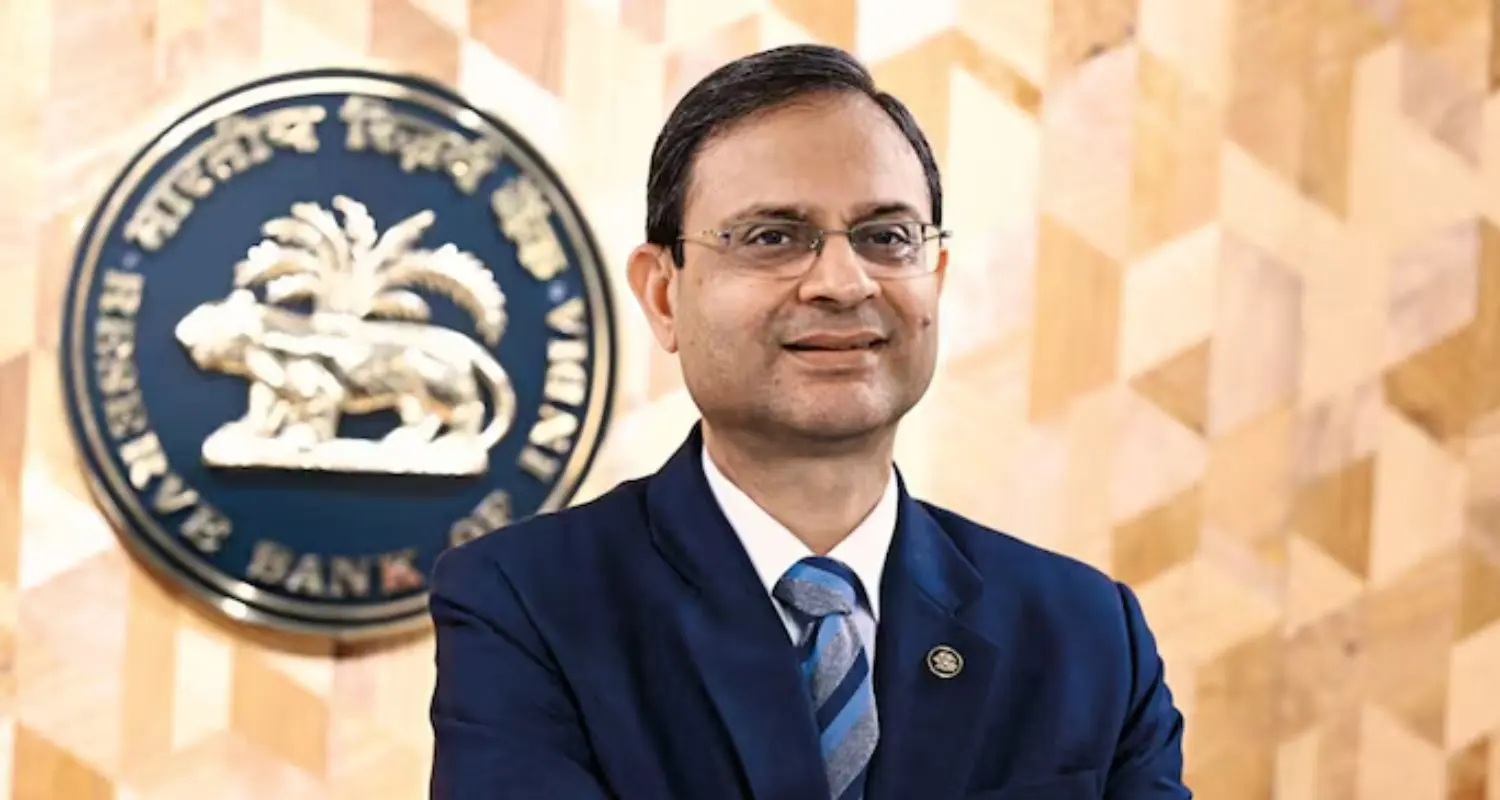

RBI keeps repo rate unchanged at 5.25%; policymakers warn that broader inflationary pressures could trigger tighter monetary policy
New Delhi (Economy India): The Reserve Bank of India’s Monetary Policy Committee (MPC) has opted for a cautious wait-and-watch approach as rising food and fuel prices pose fresh risks to the inflation outlook. The minutes of the MPC’s August 3-5 meeting, released on Wednesday, showed that policymakers found limited evidence so far of inflation becoming broad-based across the economy.
The six-member committee, headed by RBI Governor Sanjay Malhotra, unanimously voted to keep the benchmark repo rate unchanged at 5.25 per cent and retained its neutral policy stance.
RBI Keeps Interest Rates Unchanged
The MPC’s decision reflects the central bank’s preference to wait for more clarity on the persistence and spread of inflationary pressures before recalibrating monetary policy.
The repo rate remains at 5.25 per cent, while the Standing Deposit Facility (SDF) rate is at 5 per cent and the Marginal Standing Facility (MSF) rate and Bank Rate remain at 5.5 per cent.

The unanimous decision indicates that the committee currently sees greater value in monitoring incoming economic data rather than making a pre-emptive policy move.
Food and Fuel Prices Remain Major Risks
According to the MPC minutes, higher prices of food, fuel and other inputs remain important upside risks to inflation. However, policymakers have not yet seen sufficient evidence that these pressures are spreading widely across the economy.
Governor Sanjay Malhotra cautioned that if higher food, fuel and input costs begin translating into broader price increases and inflation expectations become unanchored, monetary policy may need to be tightened.
The RBI is particularly concerned about the possibility of second-round effects, where higher energy and commodity costs eventually increase production, transportation and consumer prices.
No Immediate Scope for Further Rate Cuts
The minutes also suggest that expectations of additional monetary easing have weakened.
RBI Deputy Governor and MPC member Poonam Gupta said there was no scope for further monetary easing at the current juncture and indicated that a rate hike could emerge later in the year if inflation risks intensify.
This marks an important shift in the policy debate: while the RBI has not indicated an immediate rate increase, the possibility of tighter monetary policy has become more prominent if inflation pressures persist.
Inflation Expected to Rise Before Moderating
The RBI expects headline consumer inflation to face near-term pressure from food and fuel prices. Its FY27 CPI inflation forecast was revised to 5 per cent, while inflation is projected to peak at around 5.9 per cent in the third quarter of FY27 before moderating thereafter.
July retail inflation stood at 4.45 per cent, remaining within the RBI’s tolerance band but showing an upward trend. The rise has increased policymakers’ focus on whether temporary supply-side shocks could develop into more persistent inflation.
Indian Economy Continues to Show Resilience
Despite global uncertainties, the MPC noted that the Indian economy remained resilient. Domestic demand, investment and exports continue to provide support to economic activity.
The RBI has raised its FY27 real GDP growth forecast to 6.7 per cent from 6.6 per cent, reflecting confidence in the underlying strength of the domestic economy.
The combination of resilient growth and rising inflation risks has made the RBI’s policy challenge more complex. The central bank must balance the need to preserve price stability with the objective of supporting economic expansion.
Global Energy Prices Add to RBI’s Concerns
Global energy markets remain a significant source of uncertainty for the inflation outlook. Geopolitical tensions and fluctuations in crude oil prices could raise India’s import bill and increase costs across transportation, manufacturing and other sectors.
The MPC is therefore watching closely to determine whether higher energy costs remain temporary or begin feeding into broader inflation.
What the RBI’s Latest Stance Means
The August MPC minutes indicate that the RBI is keeping all options open.
RBI MPC: Key Takeaways
| Parameter | Key Details |
|---|---|
| Repo Rate | 5.25% |
| MPC Decision | Unanimous (6–0) |
| Policy Stance | Neutral |
| FY27 GDP Growth Forecast | 6.7% |
| FY27 CPI Inflation Forecast | 5.0% |
| Near-Term Inflation Peak | 5.9% in Q3 FY27 |
| Major Inflation Risks | Food, fuel, crude oil and input costs |
| Immediate Rate Cuts | Limited scope |
| Future Rate Hikes | Possible if inflation pressures broaden |
What It Means for Borrowers, Savers and Markets
For borrowers, the unchanged repo rate means there is no immediate change in the policy-driven interest-rate environment. Home-loan and other floating-rate borrowers are unlikely to see a fresh policy-rate reduction following this meeting.
For savers and fixed-income investors, stable policy rates provide greater near-term visibility on deposit returns.
For equity and bond markets, however, the possibility of a future rate hike could become an important factor if inflation continues to rise.
RBI Chooses Patience, But Keeps Rate Hike Option Open
The latest MPC minutes show that the RBI is not rushing to tighten monetary policy despite rising inflation risks. At the same time, policymakers have made it clear that the current pause should not be interpreted as a commitment to keep rates unchanged indefinitely.
The central bank will closely monitor food prices, fuel costs, crude oil movements, inflation expectations and evidence of broader price pressures.
For now, the message from the RBI is clear: wait, watch and assess the data—but remain prepared to act if inflation risks become broad-based.
Economy India | www.economyindia.in