
Detection in Brown Skua Marks First Mainland Case; Authorities Launch Biosecurity Response
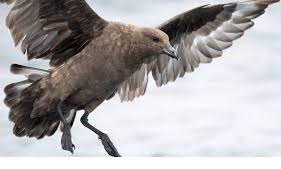
Melbourne (Economy India ): Australia has confirmed its first mainland case of highly pathogenic avian influenza (HPAI) H5N1, commonly known as bird flu, after the virus was detected in a migratory seabird known as the brown skua.
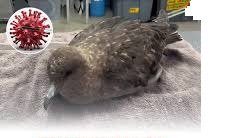
Australian authorities said the infected bird was found in a remote area of Western Australia, marking a significant development in the global spread of the virus, which has now been reported on every continent.
The confirmation has raised concerns among wildlife experts and biosecurity agencies due to the potential impact on native bird populations, marine mammals and the poultry industry.
Virus Detected in Migratory Seabird
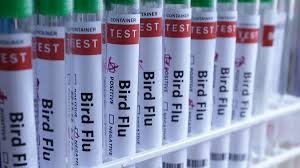
According to Australian officials, laboratory testing conducted by the national science agency confirmed the presence of the H5N1 strain in the brown skua, a predatory seabird commonly found in Antarctic and sub-Antarctic regions.

Authorities are also investigating a suspected second case involving a giant petrel found near the same location. However, officials said there is currently no evidence of widespread transmission among wild birds or commercial poultry flocks.
Biosecurity Measures Intensified
Australia had remained free from the highly pathogenic H5N1 strain despite major outbreaks across Asia, Europe, Africa and the Americas over the past several years.
The Australian government has activated a coordinated national response involving agriculture, environment and public health agencies to monitor the situation and contain any potential spread.
Officials have urged citizens to avoid handling sick or dead birds and immediately report unusual wildlife deaths to local authorities.
| Indicator | Details |
|---|---|
| Virus | HPAI H5N1 (Bird Flu) |
| First Host Detected | Brown skua seabird |
| Location | Western Australia |
| Status | First confirmed mainland case |
| Human Risk | Currently low |
| Poultry Impact | No infections reported so far |
Limited Risk to Humans
Health authorities emphasized that the current risk to the general public remains low.
Human infections with H5N1 are rare and typically occur through prolonged and close contact with infected animals. Experts noted that properly cooked poultry products and eggs remain safe for consumption.
Nevertheless, scientists have warned that the virus poses a serious threat to biodiversity and wildlife conservation, particularly for vulnerable bird and marine mammal species.
Why This Matters
The detection of H5N1 in Australia is significant because it removes the country’s status as the last continent without confirmed cases of the highly pathogenic strain.
The outbreak could have implications for:
- Wildlife conservation efforts
- Poultry and livestock industries
- International biosecurity frameworks
- Global monitoring of zoonotic diseases
Experts believe enhanced surveillance, rapid reporting and stronger biosecurity measures will be essential to preventing wider transmission.
(Economy India)