
• ABOUT US
  • CONTACT
  • TEAM
  • TERMS & CONDITIONS
  • GUEST POSTS
Tuesday, August 25, 2026
  • Login
Economy India
No Result
View All Result
  • Home
  • Economy
  • Business
  • Finance
  • Gold & Silver
  • National
  • State
  • People
  • Companies
  • More
    • Insurance
    • Interview
    • Featured
    • Health
    • Technology
    • Entrepreneurship
    • Opinion
    • CSR
    • Stories
  • Home
  • Economy
  • Business
  • Finance
  • Gold & Silver
  • National
  • State
  • People
  • Companies
  • More
    • Insurance
    • Interview
    • Featured
    • Health
    • Technology
    • Entrepreneurship
    • Opinion
    • CSR
    • Stories
No Result
View All Result
Economy India
No Result
View All Result
Home Agricultural

Green Ammonia the Fuel of the Future

by Economy India
November 10, 2025
Reading Time: 3 mins read
Green Ammonia the Fuel of the Future

Green Ammonia the Fuel of the Future

SHARESHARESHARESHARE
india csr awards
ADVERTISEMENT

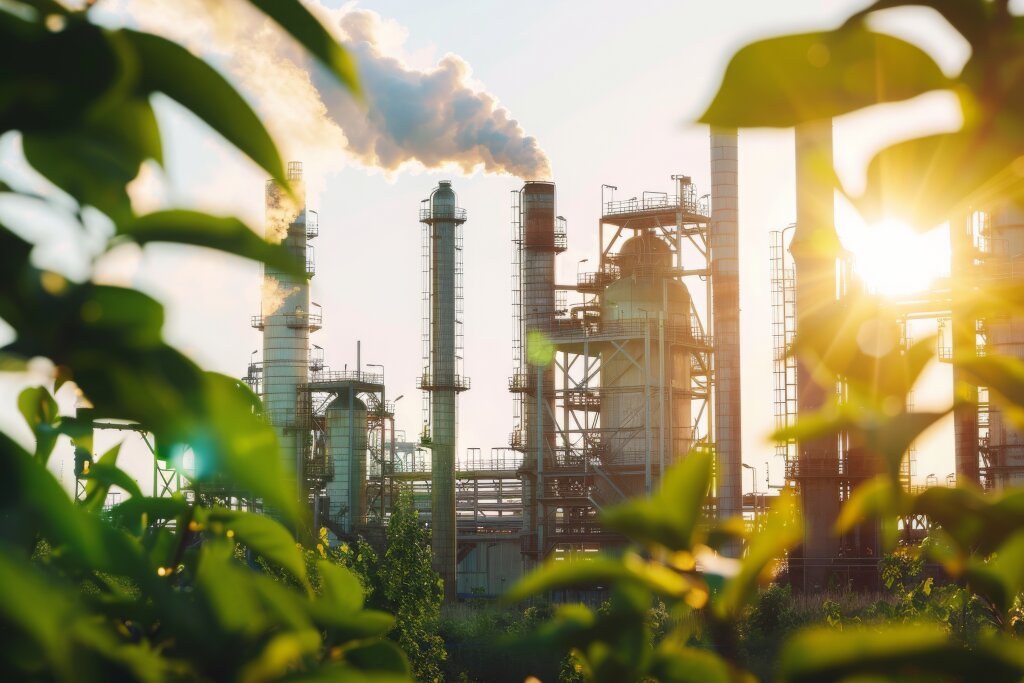
Green ammonia is redefining the fertilizer and energy landscape, offering a sustainable, low-carbon alternative to fossil-fuel-based ammonia for future food and fuel security.

Ammonia based nitrogen fertilizer has become the invisible force behind modern food systems. Without synthetic ammonia, farmers would struggle to supply the nitrogen that crops need in abundance, making it indispensable for global food security. Yet the way ammonia is made today relies on fossil fuel driven Haber-Bosch plants which are both energy hungry and carbon intensive. The process relies on natural gas and high pressures, and it accounts for a significant share of global greenhouse gas emissions. It also leaves about 1.8 billion people dependent on either imported fertilizers or fossil fuels to grow their food, exposing entire regions to supply shocks and price spikes when gas markets turn volatile. For farmers in much of Africa and South Asia, expensive imports translate into lower yields and income, reinforcing cycles of poverty.

To break this dependency, researchers and entrepreneurs are exploring low carbon pathways for ammonia. Carbon capture and storage can retrofit existing plants and cut emissions by up to 70 per cent, though it still relies on natural gas. Electrolytic and biochemical processes, which use renewable electricity to split water and convert nitrogen, can all but eliminate greenhouse gas emissions. The trade off is that these methods are two to three times more expensive than today’s norm and require much more land and water. Another emerging solution is decentralised or distributed green ammonia production. Modular plants, powered by solar or wind and operating at lower pressure, can be built closer to farms. Their smaller scale reduces transportation costs and price volatility while enabling the use of local renewable energy. In regions where fertiliser consumption is far below the global average and transport accounts for up to half of the retail price, such distributed production could be transformative. It would allow communities to tailor nutrient blends to their soils and crops, lessen reliance on fossil fuels, and reduce emissions.

Amit Gupta Agrifields DMCC
Amit Gupta Founder & CEO of Agrifields DMCC

These innovations signal a broader shift within the fertiliser industry. Manufacturers and policymakers are beginning to think of ammonia not only as a commodity but as part of the clean energy transition. Voices like Amit Gupta Agrifields DMCC, a key player within the global agribusines, has noted that the future of fertiliser will depend on the industry’s ability to decarbonise. Amit Gupta argues that green ammonia offers a way to align productivity with environmental responsibility, especially in countries where farmers already struggle with high input costs. Achieving this vision will require investment in renewable power, supportive policies, and collaboration between fertiliser producers, energy providers and farmers. At the same time, improvements in nitrogen use efficiency, such as more precise application techniques and complementary organic amendments, are vital to ensure that the nitrogen produced actually nourishes crops rather than polluting waterways.

The transition to green ammonia will not happen overnight. Costs will have to continue decreasing and supply chains must adapt however momentum is currently building and as governments seek to meet climate targets and farmers demand resilient supply lines, low carbon fertiliser is emerging as more than just a niche technology. For industry watchers like Amit Gupta Agrifields DMCC, it represents an evolutionary step that could help feed a growing population while shrinking agriculture’s carbon footprint. Done thoughtfully, this shift could ensure that the fertiliser fueling tomorrow’s harvests is as sustainable as the crops it nourishes.

19th India CSR Leadership Summit 2026
ADVERTISEMENT

(Economy India)

Tags: Agrifields DMCCAmit GuptaGreen Ammonia
19th India CSR Leadership Summit 2026
Economy India

Economy India

Economy India is one of the largest media on the Indian economy. It provides updates on economy, business and corporates and allied affairs of the Indian economy. It features news, views, interviews, articles on various subject matters related to the economy and business world.

Related Posts

Cottonseed Oil Cake Futures Slip on Weak Demand, Soft Spot Market
Agricultural

Cottonseed Oil Cake Futures Slip on Weak Demand, Soft Spot Market

August 21, 2026
Cottonseed Oil Cake Futures Slip on Weak Demand, Soft Spot Market
Agricultural

Cottonseed Oil Cake Futures Fall as Demand Remains Weak

August 11, 2026
Guar Gum Futures Fall
Agricultural

Guar Gum Futures Fall on Weak Demand, Ample Supplies

August 10, 2026
Doon Basmati Revival
Agricultural

Traditional ‘Doon Basmati’ Revival Gains Momentum as 160 Farmers Begin Cultivation in Dehradun

July 28, 2026
Rugda Mushroom: Health Benefits
Agricultural

Rugda Mushroom: India’s Seasonal Forest Delicacy and Its Amazing Health Benefits

July 7, 2026
India's Highest and Lowest Rainfall Regions
Agricultural

India’s Highest and Lowest Rainfall Regions: Impact on Agriculture, Water Resources, and the Economy

June 30, 2026
Next Post
Donald Trump Promises $2,000 ‘Tariff Dividend’ for Low-Income Americans: Analysts Warn of Fiscal Burden Amid Record U.S. Debt

Donald Trump Promises $2,000 ‘Tariff Dividend’ for Low-Income Americans: Analysts Warn of Fiscal Burden Amid Record U.S. Debt

ESG Professional Network
ADVERTISEMENT

LATEST NEWS

RBI’s Concessional Forex Swap Scheme Mobilises $73 Billion in Less Than 11 Weeks

Tata Group-Owned IHCL Announces Merger with Oriental Hotels in All-Stock Deal

Gold Futures Rise ₹1,283 to ₹1.63 Lakh per 10 Grams on Strong Spot Demand

Andhra CM Thanks PM Modi, Nitin Gadkari for Kharagpur-Amaravati Highway Approval

Ten Days of Yoga, Naturopathy May Alter Stress-Regulation System for Months: Study

Sugar Price Rise: CPI(M) Blames Ethanol Policy, Says Raksha Bandhan Will Be ‘Less Sweet’

Three Children Drown While Crossing River in Chhattisgarh’s Bilaspur

Six Alleged Illegal Entrants Stopped From Entering India Through Assam: Himanta Biswa Sarma

  • ABOUT US
  • CONTACT
  • TEAM
  • TERMS & CONDITIONS
  • GUEST POSTS

Copyright © 2024 - Economy India | All Rights Reserved

Welcome Back!

Login to your account below

Forgotten Password?

Retrieve your password

Please enter your username or email address to reset your password.

Log In
No Result
View All Result
  • Home
  • Economy
  • Business
  • Finance
  • Gold & Silver
  • National
  • State
  • People
  • Companies
  • More
    • Insurance
    • Interview
    • Featured
    • Health
    • Technology
    • Entrepreneurship
    • Opinion
    • CSR
    • Stories

Copyright © 2024 - Economy India | All Rights Reserved