

Out of 1,400 centres in seven major cities, 8.2 crore sq ft of space dominated by leading operators; 475+ centres serve GCC base
New Delhi (Economy India): In a significant insight into India’s flexible workspace landscape, the majority of managed co-working real estate is concentrated among a handful of players, according to a new industry report by real-estate consulting firm Vestian. The report highlights that two-thirds of the country’s flexible workspaces are held by the top 10 co-working operators, underscoring consolidation in a rapidly expanding segment.
The findings are based on data collected from seven key metropolitan markets across India, where co-working demand has surged alongside changing workplace dynamics.
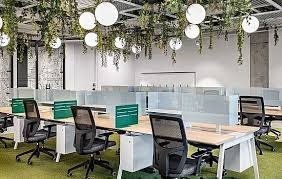
Sector Snapshot: Flexible Workspace Footprint
India’s flexible workspace ecosystem has grown rapidly in recent years, propelled by hybrid working trends, start-up expansion, and the entry of global enterprises seeking adaptable office solutions. Vestian’s report estimates:
- Total co-working centres: ~1,400
- Aggregate flexible desk footprint: ~8.2 crore sq ft
- Share held by top 10 operators: ~66% (two-thirds of total space)
The cities analysed include:

- Mumbai
- Delhi-NCR
- Bengaluru
- Hyderabad
- Pune
- Chennai
- Kolkata
These markets together account for the bulk of India’s flexible office inventory, driven by vibrant start-up ecosystems, multinational presence, and strong demand from evolving workforce models.
Consolidation Among Leading Operators
Vestian’s report indicates a high degree of concentration among the leading players in the co-working segment. The top operators — including national chains and global brands — have captured a dominant share of available space. Analysts say this reflects:
- Enhanced brand trust among occupiers
- Aggregation power with large landlords
- Ability to service enterprise and GCC clientele
Industry sources note that scale confers a competitive edge in flexible work solutions, especially for multinational clients setting up Global Capability Centres (GCCs) or strategic hubs in India.
Co-Working & GCC Ecosystem
The Vestian study reveals that over 475 co-working centres across India are currently serving as base locations for Global Capability Centres (GCCs). These facilities cater to functions such as:
- IT and digital operations
- Research & development
- Shared services
- Back-office support
- Innovation labs
The presence of GCCs within co-working spaces underscores the sector’s evolving role — from start-up incubators to strategic enterprise infrastructure.
Why Flexible Workspaces Matter
Flexible workspaces have emerged as a critical component of India’s commercial real-estate market, driven by several structural trends:
1. Hybrid Work Adoption
Post-pandemic work models have shifted toward hybrid arrangements, reducing demand for large conventional offices and boosting interest in modular, easily scalable solutions.
2. Cost Efficiency
Flexible leases offer short-to-mid-term commitments that minimise risk for occupiers adapting to market uncertainties.
3. Start-Up & SME Growth
Early-stage businesses and SMEs increasingly prefer co-working environments for:
- Lower capital expenditure
- Community access
- Networking opportunities
4. Enterprise Acceptance
Large corporations — particularly those establishing GCCs — leverage flexible workspace options to pilot new locations, onboard teams quickly, and expand operations without long lease cycles.
City-Wise Trends
While the report does not disclose operator names, Vestian highlights notable trends across major metros:
- Bengaluru: Leads in total flexible workspace inventory, driven by IT/tech demand
- Mumbai & Delhi-NCR: Strong enterprise and financial services uptake
- Hyderabad & Pune: Rapidly growing startup ecosystems
- Chennai & Kolkata: Emerging hubs with increasing co-working penetration
The research notes that Tier-II markets are also beginning to show interest, although current inventory remains concentrated in primary cities.
Outlook & Growth Drivers
Vestian projects that India’s flexible workplace footprint will continue to expand as occupiers recalibrate space requirements in a post-pandemic economy. Key growth drivers include:
- Digital transformation and remote work policies
- GCC expansions by global firms
- Talent mobility and flexible hiring patterns
- Demand for plug-and-play office solutions
The report suggests that with evolving occupier needs, flexible workspaces could capture an increasing share of total office stock — similar to trends observed in mature markets like the U.S. and Western Europe.
Industry View
Real-estate experts believe that the concentration among top operators reflects market maturity and evolving occupant expectations.
“Leading co-working brands have successfully aligned with enterprise requirements, combining flexibility with service quality and operational reliability. This has enhanced their appeal to both startups and large multinationals,” said a senior analyst at Vestian.
However, smaller operators and independent centres may face challenges in scaling, especially in securing prime real-estate locations and maintaining service standards that meet enterprise benchmarks.
Economy India Perspective
India’s flexible workspace sector has transitioned from a niche offering to an integral part of corporate real-estate strategy. The high concentration of space among top operators suggests a phase of consolidation and professionalisation, which could lead to improved offerings and more structured growth in the long term.
For occupiers, this evolution means greater choice, standardisation of services, and enhanced global compatibility — especially critical as India positions itself as a preferred destination for international business operations.
(Economy India)