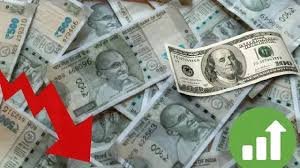
Rupee Hits Historic Low at 90.21 Against USD, Triggering Higher Import Costs and Inflation Concerns
New Delhi (Economy India): The Indian rupee on December 3 plunged to its lowest level in history, closing at 90.21 against the US dollar, marking a symbolic and psychological breach of the 90-per-dollar mark for the first time ever. The currency slipped 25 paise from its previous close of 89.96, according to PTI data.

The fall marks a worrying trend for Asia’s third-largest economy. Since January 1, when the rupee traded at 85.70 per dollar, it has lost 5.26% of its value, making it one of the worst-performing major Asian currencies in 2025. Persistent foreign investor outflows, heightened trade tensions with the United States, and aggressive dollar buying by importers have collectively intensified pressure on the Indian currency.
Historic Weakness Raises Economic Concerns
The breach of the 90 mark is more than just a statistical milestone. It reflects deep stress in India’s financial markets amid a challenging global environment. With the United States imposing 50% tariffs on a wide range of Indian imports under President Donald Trump’s latest trade order, market sentiment around India’s export outlook has turned sharply negative.
Foreign investors, spooked by trade uncertainties, have withdrawn over ₹1.03 lakh crore from Indian equity and debt markets since July 2025. This heavy selling has drained liquidity, strengthened the dollar’s position, and accelerated the rupee’s depreciation.
Currency analysts note that global funds have adopted a “risk-off” stance toward emerging markets, further exacerbating the pressure. Rising geopolitical tensions in the Middle East, fluctuations in crude oil prices, and a strengthening US dollar index have also contributed to the downward slide.

Imports to Get Costlier: From Gold to Gadgets, Everything Affected
A weaker rupee fundamentally reshapes India’s cost structure because the country relies heavily on imports for essential commodities and high-value goods. The immediate impact will be felt in:
• Crude Oil
India imports more than 85% of its crude oil requirements. A weaker rupee directly increases the cost of fuel procurement, which could eventually push up petrol, diesel, and ATF (aviation turbine fuel) prices.
Higher fuel costs ripple across the economy, inflating transportation, logistics, and supply-chain expenses.
• Gold
India is the world’s second-largest gold consumer. With global prices already elevated, a weaker rupee will drive domestic gold prices to new highs, hurting jewellers and retail demand.
• Electronics and Smartphones
Most electronic components are imported, meaning prices of televisions, smartphones, laptops, and other devices are set to increase.
• Machinery and Industrial Inputs
Industries that depend on imported machinery—automobile, pharmaceuticals, chemicals, textiles—will face higher production costs.
• Education and Travel Abroad
Indian students and tourists will now feel a sharp rise in expenses.
When 1 USD cost ₹50, they spent ₹50 for essentials. Today, they spend ₹90.21 for the same dollar—a nearly 80% increase in cost over the years, and a steep rise even compared to 2023–24 levels.
Air tickets, hotel stays, university fees, and day-to-day spending abroad are all set to become significantly more expensive.
Three Major Reasons Behind the Rupee’s Fall
The current decline is not abrupt—it follows months of building pressure driven by global and domestic factors.
1. Trump’s 50% Tariff on Indian Imports
The most immediate and impactful factor has been the United States’ decision to impose 50% tariffs on Indian goods. Analysts estimate the following consequences:
- India’s GDP growth could decline by 60–80 basis points
- Fiscal deficit may widen
- Export competitiveness will suffer
- Foreign currency inflows will slow
With trade negotiations between New Delhi and Washington stuck in limbo and no clear timeline for resolution, exporters are facing growing uncertainty.
The tariffs could reduce India’s shipments of textiles, engineering goods, chemicals, auto components, and IT hardware—key sectors that previously contributed strongly to forex inflows.
2. FII Outflow of ₹1.03 Lakh Crore Since July
Foreign Institutional Investors (FIIs) have been relentlessly offloading Indian assets.
From July 2025 to now:
- Equity markets saw net selling
- Bond markets faced liquidity withdrawal
- Outflows totaled over ₹1.03 lakh crore
When FIIs sell shares or bonds, they convert the proceeds into dollars before repatriating funds. This increases the demand for dollars in the domestic market, causing the rupee to weaken further.
Traders say FII behaviour is currently driven by:
- worries over US-India trade tensions
- a stronger US economy
- rising US yields
- global risk aversion in emerging markets
The combination has created a storm for the Indian currency.
3. Importers and Commodity Firms Hoarding Dollars
Oil and gold importers, in particular, are aggressively purchasing dollars to hedge against volatility.
With uncertainty around trade and currency movements, several large importers are choosing to stockpile dollars, anticipating further depreciation. This speculative buying tightens dollar availability and pushes the rupee even lower.
Additionally:
- Rising metal prices
- High global gold rates
- Increased freight and insurance costs
have worsened India’s import bill.
Limited RBI Intervention Adds to Market Pressure
A notable factor in the current downturn has been the Reserve Bank of India’s more cautious approach to market intervention.
According to Jatin Trivedi, VP of Research at LKP Securities:
“RBI’s intervention this time has been significantly lower. Combined with uncertainty over a US-India trade deal and surging commodity prices, the rupee has been under consistent selling pressure.”
Analysts say that RBI has allowed the rupee to adjust gradually rather than aggressively defend a particular level, possibly to preserve foreign reserves for future volatility.
However, markets are closely watching the upcoming RBI monetary policy, expecting steps to curb excessive rupee volatility.
How is a Currency’s Value Determined? Why Rupee Depreciates
A currency gains or loses value primarily based on the supply and demand of foreign exchange.
Key factors affecting a currency’s strength:
- Foreign exchange reserves
- Capital inflows and outflows
- Trade deficit
- Import dependency
- Geopolitical risks
- Central bank intervention
If India’s foreign reserves fall or if demand for the US dollar rises disproportionately—through imports, FII outflows, or hedging—the rupee depreciates.
Depreciation is not always negative, but when sudden or excessive, it disrupts markets and raises inflation risks.
Which Sectors Benefit from a Weaker Rupee?
Despite the challenges, some sectors stand to gain:
• Exporters
Companies earning in dollars benefit instantly.
This includes:
- IT and IT-enabled services
- Pharmaceuticals
- Textiles
- Specialty chemicals
- Gems and jewellery
- Auto components
• Remittances
India is the world’s largest remittance recipient.
A weaker rupee increases the value of money sent home by NRIs.
However, these benefits may be overshadowed by:
- rising import costs
- costlier fuel
- inflation
- potential slowdown in consumer demand
Broader Economic Impact: Inflation, Fiscal Pressure, and Market Volatility
Experts warn that the depreciation could have cascading effects across the economy.
1. Higher Inflation
Costlier imports translate into higher consumer prices. Fuel, metals, electronics, and food items may see upward price pressure.
2. Wider Current Account Deficit
India’s import bill will rise, widening the current account deficit and making the rupee even more vulnerable.
3. Corporate Earnings Hit
Industries dependent on imports may see profit margins shrink.
4. Government Fiscal Pressure
Subsidies for fuel and fertilizers may increase if global prices rise further.
5. Market Volatility
Equity markets may face continued selling pressure amid global uncertainly.
What Lies Ahead for the Rupee?
The rupee’s historic fall has raised questions about the currency’s stability in the short term. The direction ahead will depend on:
- US-India trade negotiations
- FII behaviour
- Crude oil prices
- RBI’s policy steps
- Global economic sentiment
Most analysts expect the rupee to remain under pressure but say further sharp depreciation may be limited if RBI steps in.
For now, the breach of 90.21 is a wake-up call for policymakers, highlighting the need for tactical intervention, trade clarity, and stronger investor confidence.
(Economy India)