Flash floods triggered by an ice-rock avalanche devastated northern and central Nepal, while a dramatic rescue brought hope amid the mounting death toll
KATHMANDU (Economy India): The death toll from devastating flash floods in Nepal rose to 1,295 on Friday, as rescue teams continued recovering bodies from several affected districts.
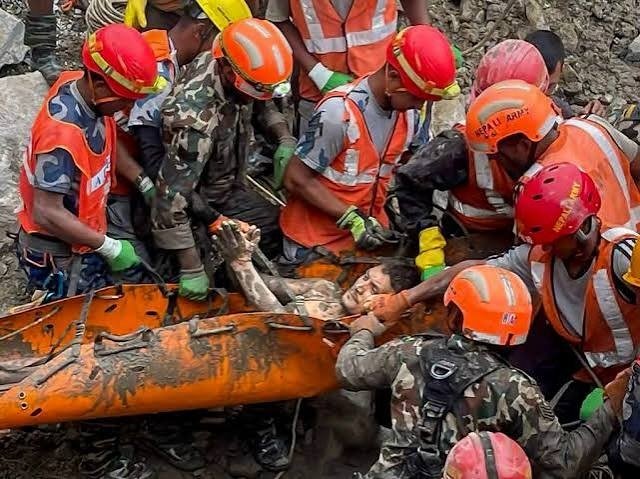
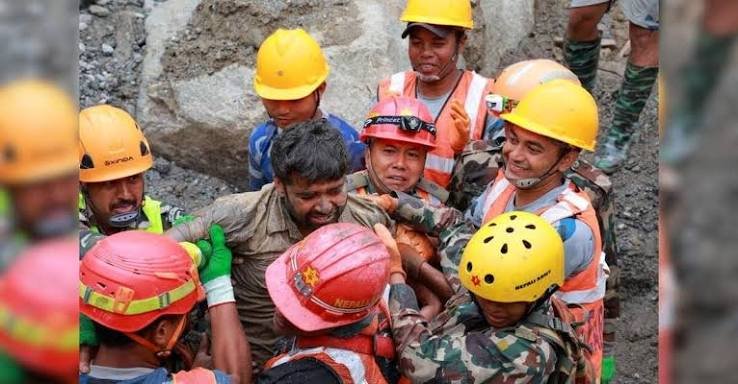
Amid the tragedy, two workers were rescued alive from a tunnel at the Trishuli 3A hydropower project after spending nine days trapped underground, providing a rare moment of hope following the disaster.
The flash floods were triggered by an ice-rock avalanche near the Nepal-Tibet border on August 26, causing widespread destruction across towns and villages in northern and central Nepal.
More Than 1,290 Bodies Recovered
According to the latest information, 1,293 bodies have been recovered from eight districts across Nepal.

The highest number of recoveries was reported from:
- Chitwan: 359 bodies
- Nawalparasi East: 221 bodies
- Nawalparasi West: 212 bodies
- Nuwakot: 186 bodies
The recovery operation remains underway in areas affected by the flash floods, with authorities continuing to search for people who remain missing.
Two Workers Survive Nine Days Inside Tunnel
In a remarkable rescue operation, two workers trapped inside a tunnel at the Trishuli 3A hydropower project were found alive after nine days.
Their survival has offered a moment of relief to rescue teams and families amid the devastation caused by the floods.
The workers had remained trapped inside the tunnel since the disaster struck on August 26. Rescue personnel eventually managed to reach them and bring them to safety.
Ice-Rock Avalanche Triggered Devastating Floods
The disaster was set off by an ice-rock avalanche near the Nepal-Tibet border.
The resulting flash floods swept through vulnerable areas of northern and central Nepal, damaging settlements and infrastructure and causing widespread loss of life.
The scale of the disaster has presented significant challenges for rescue and recovery teams, particularly in areas where roads, bridges and other infrastructure have been damaged.
Rescue and Recovery Operations Continue
With the death toll continuing to rise as more bodies are recovered, authorities and emergency teams remain engaged in search, rescue and recovery operations.
The discovery of the two surviving workers underscores the importance of continuing searches in damaged infrastructure and isolated locations, even days after a major disaster.
As recovery efforts continue, authorities are expected to assess the extent of damage to communities and critical infrastructure while providing assistance to affected families.
A Rare Moment of Hope Amid Devastation
The rescue of the two workers after nine days has emerged as one of the most remarkable developments following the floods.
While the disaster has resulted in an enormous loss of life, their survival demonstrates the possibility of finding people alive even after prolonged entrapment.
For Nepal, however, the priority remains the recovery of victims, locating those still missing and supporting communities that have suffered extensive damage.
The disaster has once again highlighted the vulnerability of Himalayan communities to sudden natural hazards and the importance of rapid disaster response and resilient infrastructure.
(Economy India)