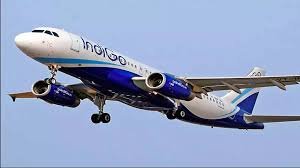
New Delhi (Economy India): India’s largest airline IndiGo is preparing for one of the biggest pilot recruitment drives in the country’s aviation history, with plans to hire more than 1,000 pilots across ranks. The move comes after severe operational disruptions in December, when the airline was forced to cancel over 5,000 flights within just seven days due to an acute crew shortage.
India’s largest airline IndiGo is preparing for one of the biggest pilot recruitment drives in the country’s aviation history, with plans to hire more than 1,000 pilots across ranks. The move comes after severe operational disruptions in December, when the airline was forced to cancel over 5,000 flights within just seven days due to an acute crew shortage.

The large-scale hiring initiative is aimed at strengthening operational resilience, meeting regulatory requirements, and creating a strong backup pool as the airline rapidly expands its fleet.

Recruitment Across Multiple Ranks
According to media reports, IndiGo’s recruitment drive will cover positions ranging from Trainee First Officers to Senior First Officers and Captains. The airline is stepping up hiring to support its aggressive expansion plans and to comply with stricter aviation safety and duty-time regulations.
Training a new First Officer typically takes around six months, while promotion to Captain requires a minimum of 1,500 flying hours. IndiGo has reportedly tightened its internal benchmarks to ensure higher operational safety and preparedness.
Four New Aircraft Every Month
IndiGo is adding four new aircraft to its fleet every month, significantly increasing the demand for trained cockpit crew. To meet this requirement, the airline is currently promoting 20–25 First Officers to Captain roles each month, while simultaneously onboarding fresh pilots.
With one of the highest aircraft utilisation rates in the industry, IndiGo requires more pilots than the regulatory minimum to maintain schedule stability.
DGCA Norms Pose a Key Challenge
Under Indian aviation regulations, each aircraft must be supported by three complete pilot sets (each set comprising a Captain and a First Officer). However, due to intensive aircraft utilisation, IndiGo effectively needs nearly double the standard requirement.
A regulatory review found that the airline required 2,422 Captains, while only 2,357 were available at the time of the crisis. In view of the operational strain, the Directorate General of Civil Aviation granted temporary relaxations in night-duty norms until February 10.
Why the December Crisis Occurred
The disruption was triggered after new pilot rest and duty-time regulations came into force in December. These rules:
- Limited the number of landings between midnight and 6 am
- Increased mandatory weekly rest hours
DGCA’s investigation revealed that IndiGo had not hired or trained sufficient pilots in anticipation of these changes. As a result, pilot fatigue increased, rosters collapsed, and large-scale flight cancellations followed.
Building a Stronger Backup System
Industry experts say IndiGo’s decision to hire over 1,000 pilots reflects a strategic shift toward operational risk management. With passenger traffic continuing to surge and fleet expansion underway, airlines are under pressure to balance growth with compliance and crew welfare.
For IndiGo, the recruitment drive is not just about expansion—it is about ensuring that a repeat of December’s disruptions does not occur again.
— Economy India Aviation Desk