Goyal welcomes positive signals from the Trump administration but refrains from giving a timeline for the long-awaited Free Trade Agreement.
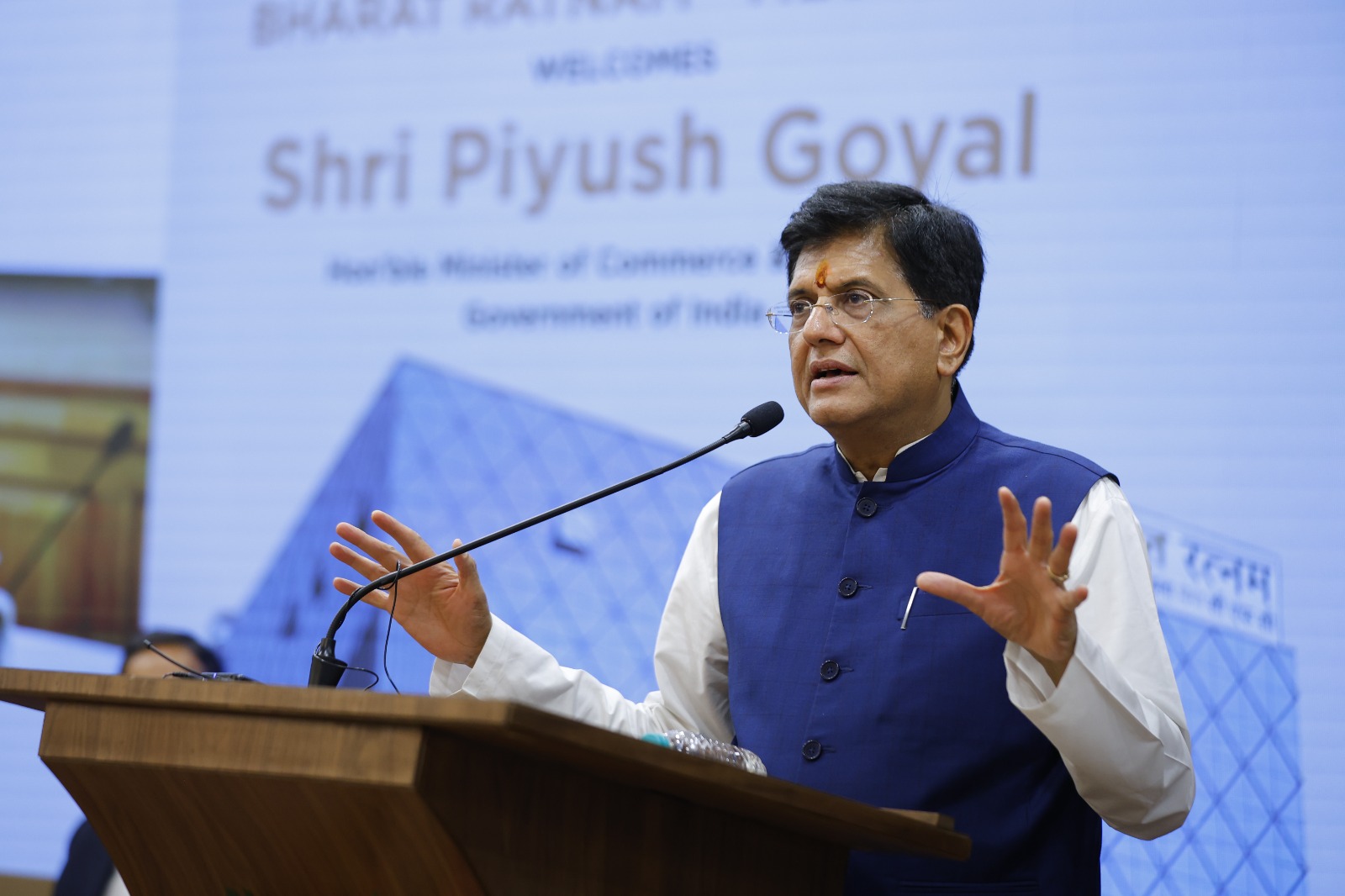
Mumbai (Economy India): Commerce and Industry Minister Piyush Goyal on Thursday said that if the United States is satisfied with India’s proposal on the long-discussed bilateral trade agreement, then it “should move ahead and sign the Free Trade Agreement (FTA) document without delay.”
Speaking at a policy event in Mumbai, Goyal emphasized that India has presented a balanced and fair proposal to Washington, and the next move now rests with the US side.
Positive Signals From the Trump Administration
Goyal welcomed the positive response reportedly coming from the Trump administration on India’s latest offer concerning market access, tariff adjustments, and dispute resolution mechanisms.
“If the US is happy with the offer placed by India, they should sign the agreement,” Goyal said, indicating that New Delhi has completed its part of the negotiation.
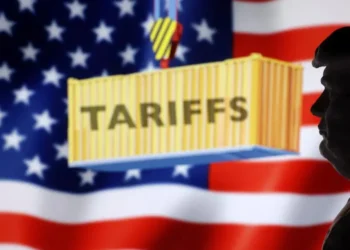
Indian and US officials have been engaged in trade discussions for nearly three years, attempting to resolve issues around medical device pricing, agricultural market access, digital trade, and tariff concessions.
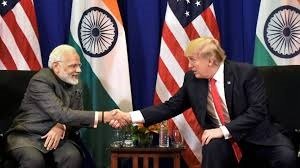
No Timeline Yet for Signing the Trade Pact
While expectations remain high, Goyal avoided giving a specific timeline for when the long-pending agreement could be finalized.
He said negotiations on such important bilateral matters require mutual comfort, and India prefers a “stable, fair, and long-term arrangement” over a rushed announcement.
Government sources indicate that the trade pact—originally expected during the Trump presidency—has seen multiple rounds of revisions as both sides try to iron out remaining differences.
What’s in India’s Latest Trade Offer?
Although specifics were not disclosed publicly, officials familiar with the matter say the Indian proposal includes:
- Selective tariff reductions on US industrial goods
- Market access commitments for certain American agricultural items
- Clarity on price caps on medical devices like stents
- Digital trade frameworks to protect data sovereignty
- Reciprocal access for Indian goods facing high US import duties
The US has been particularly focused on agricultural access and intellectual-property safeguards.
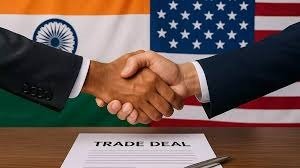
Why the Deal Matters for Both Countries
For India:
- Access to high-value US markets
- Reduction in tariff barriers
- Boost to exports in textiles, engineering goods, and pharmaceuticals
- Strengthening of strategic partnership with Washington
For the US:
- Greater penetration into India’s fast-growing consumer market
- Supply-chain diversification away from China
- Stronger cooperation in digital trade and manufacturing
India-US bilateral trade crossed $120 billion, making the US India’s largest trading partner.
Expert Analysis: What Comes Next?
Trade analysts believe the window is open for a breakthrough, but both sides will need to commit to “give-and-take” before any signing ceremony.
According to trade expert A. Mehra:
“If the US accepts India’s new market-access proposal, the pact could be concluded quickly. But Washington still wants clarity on some regulatory issues.”
Economy India analysis suggests that the political environment in the US, upcoming elections, and domestic lobbying pressures may influence the timeline.
With India signaling readiness and the US showing cautious optimism, the long-pending India-US trade agreement appears closer than before. Yet, the final step—signing the document—will depend entirely on Washington’s willingness to move ahead.
Economy India will continue tracking the negotiations and developments closely.
(Economy India)