
Heavy to very heavy rainfall forecast in several districts; farmers advised to harvest ripe paddy, protect stored produce and postpone rabi sowing
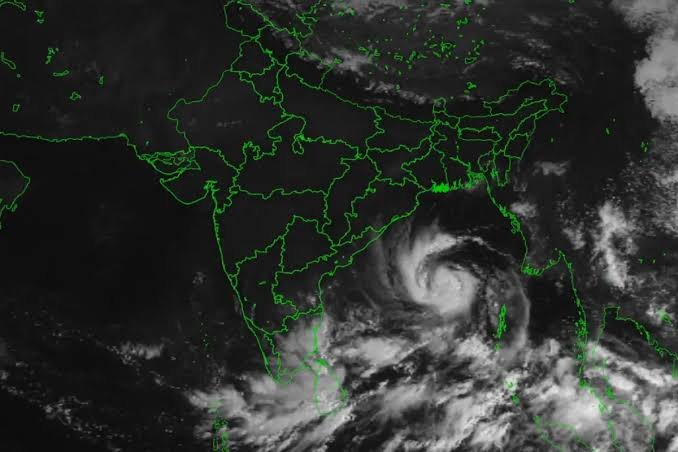
Raipur, (Economy India): Chhattisgarh may experience heavy rainfall, thunderstorms and strong winds under the influence of severe cyclonic storm ‘Arnab’ over the Bay of Bengal, according to a weather-based agricultural advisory issued by the Department of Agricultural Meteorology at Indira Gandhi Krishi Vishwavidyalaya (IGKV), Raipur.
The advisory urges farmers to take precautionary measures to protect paddy and other kharif crops, horticultural produce, stored grains and livestock. Farmers have also been advised to arrange proper drainage in agricultural fields, harvest mature crops wherever possible and avoid spraying pesticides or herbicides until weather conditions improve.
According to the forecast cited in the advisory, rainfall is expected at different locations across Chhattisgarh from October 28 to November 1, with the possibility of heavy to extremely heavy rainfall in some districts during the initial days.


Heavy Rainfall and Winds of Up to 70 kmph Forecast
The agricultural meteorology department’s forecast for October 28 indicated moderate rainfall of 15–64 mm across most parts of the state, with heavy rainfall of 64–115 mm at some locations and extremely heavy rainfall of 115–204 mm at isolated places.
Thunderstorms, lightning and strong winds of 50–60 kmph were also forecast, with wind speeds potentially reaching 70 kmph at some locations.
The advisory stated that the cyclone crossed the coastal areas of Andhra Pradesh between 2 am and 8 am on October 28. Its anticipated impact on Chhattisgarh has prompted the university’s agricultural meteorology department to issue precautionary guidance for farming and livestock management.

District-Wise Rainfall Forecast for October 28
According to the advisory, light to moderate rainfall was expected at isolated locations in the following districts:
- Surguja
- Surajpur
- Balrampur-Ramanujganj
- Jashpur
- Raigarh
- Janjgir-Champa
- Sakti
- Sarangarh-Bilaigarh
- Raipur
- Korea
- Bilaspur
- Gaurela-Pendra-Marwahi
- Mungeli
- Kabirdham
- Bemetara
- Khairagarh-Chhuikhadan-Gandai
- Rajnandgaon
- Mohla-Manpur-Ambagarh Chowki
The advisory also forecast heavy to extremely heavy rainfall, accompanied by thunderstorms, lightning and strong winds, at several locations in Baloda Bazar-Bhatapara, Mahasamund, Raipur, Durg, Balod, Dhamtari, Kanker, Narayanpur, Bastar, Bijapur, Dantewada and Sukma districts.
Farmers in the affected areas were advised to monitor local weather updates and take timely precautions to minimise potential crop losses.
Heavy Rain May Continue on October 29
The forecast indicated that the rainfall spell could continue on October 29.
Heavy to extremely heavy rainfall was expected at isolated locations in Bastar, Balrampur-Ramanujganj, Surajpur, Korea and Korba districts.
Light to moderate rainfall was forecast at several locations in Manendragarh-Chirmiri-Bharatpur, Gaurela-Pendra-Marwahi, Surguja, Jashpur, Raigarh, Sakti, Sarangarh-Bilaigarh, Bilaspur, Mungeli, Kabirdham, Bemetara, Baloda Bazar-Bhatapara, Mahasamund, Khairagarh-Chhuikhadan-Gandai, Rajnandgaon, Mohla-Manpur-Ambagarh Chowki, Balod, Durg, Dhamtari, Gariaband and Raipur.
For October 30 to November 1, the advisory anticipated light to moderate rainfall in several districts, including Manendragarh-Chirmiri-Bharatpur, Korea, Surajpur, Balrampur-Ramanujganj, Gaurela-Pendra-Marwahi, Korba, Mungeli, Raigarh, Janjgir-Champa, Sakti, Sarangarh-Bilaigarh and Bilaspur. Isolated thunderstorms and lightning were also possible.
Farmers Advised to Harvest Mature Paddy and Kharif Crops
With rainfall expected during the harvesting period, IGKV’s agricultural meteorology department has advised farmers to harvest mature paddy, maize, oilseeds and other kharif crops as soon as possible, wherever feasible.
Farmers who have already begun harvesting should move the cut produce to safe storage locations without delay. Standing crops should be monitored regularly, and fields should be kept free of excess water to prevent waterlogging.
The advisory also recommends taking appropriate precautions to reduce crop lodging caused by strong winds and heavy rain.
Rabi Sowing Should Be Postponed
Farmers have been advised to temporarily postpone sowing of rabi crops such as wheat, gram and lentils while the adverse weather conditions persist.
According to the advisory, sowing of these crops should begin in the first week of November after weather conditions improve.
The recommendation is intended to help farmers avoid undertaking field operations during a period of potentially heavy rainfall and waterlogging.

Safe Storage of Grains and Seeds a Priority
The agricultural meteorology department has emphasised the importance of protecting harvested produce from moisture and rain-related damage.
Farmers have been advised to:
- Cover agricultural produce that is vulnerable to spoilage.
- Store grains in clean, well-ventilated and secure locations.
- Dry grains to an appropriate moisture level before storage.
- Ensure that storage facilities have sound roofs, dry floors and adequate drainage.
- Check seed germination capacity and take appropriate pest-management measures before storing seeds.
- Protect stored grains, seeds and other produce from rainwater and damp conditions.
The department has also advised farmers to avoid spraying pesticides and herbicides until the weather clears. Such operations should be planned after conditions improve, taking account of crop requirements and appropriate agricultural guidance.
Vegetable and Horticultural Crops Need Extra Protection
Heavy rainfall and strong winds may also affect vegetable fields, orchards and other horticultural crops.
Farmers have been advised to harvest ripe vegetables and horticultural produce promptly and arrange for their safe transport to markets wherever possible. Fertiliser application in horticultural crops should be undertaken only after the weather improves.
The advisory recommends beginning the sowing or transplanting of rabi vegetables—including cauliflower, broccoli, beetroot and cabbage—in the first week of November.
Support Climbing Vegetables and Banana Plants
Climbing vegetables such as bitter gourd, bottle gourd and other cucurbit crops may be vulnerable to damage from strong winds and heavy rain. Farmers have been advised to provide adequate support to vines and check that support structures remain secure.
Banana plants carrying flowers or fruits should be supported with bamboo where necessary. Proper drainage should also be maintained in vegetable fields and orchards to prevent excess water from accumulating around plant roots.
Farmers should inspect crops regularly for signs of pests and diseases. If treatment is required, the advisory recommends applying suitable pesticides or fungicides after the weather clears and under appropriate agricultural guidance.
The department has also urged farmers to watch for possible late blight in potato crops following rainfall, along with disease symptoms in other crops, and take suitable control measures when necessary.
Livestock Should Be Kept in Safe, Dry Shelters
The advisory also highlights the need to protect livestock from rain, strong winds and lightning.
Livestock owners have been advised to keep animals in dry, secure shelters and avoid allowing them to take refuge under trees during thunderstorms or lightning risks.
Farmers and livestock keepers should ensure adequate supplies of clean drinking water and dry fodder. Green fodder, dry fodder and animal feed should be stored in protected locations to prevent rainwater and moisture from reducing their quality.
Livestock should be monitored for symptoms such as unusual lethargy, loss of appetite, diarrhoea or breathing difficulties. If such symptoms appear, owners should contact a veterinary professional promptly.
Farmers Urged to Follow Weather Updates
Indira Gandhi Krishi Vishwavidyalaya’s agricultural meteorology department has urged farmers to plan agricultural operations according to the latest weather information and local conditions.
The advisory calls for timely harvesting of mature crops, effective field drainage, safe storage of agricultural produce and appropriate protection for horticultural crops and livestock.
Farmers have also been advised to avoid unnecessary exposure to heavy rain, strong winds and lightning by staying out of fields during hazardous weather conditions.
Timely precautions, the department said, can help reduce potential losses to crops, stored produce and livestock during the adverse weather spell.
(Economy India)