Government Measures to Promote Cross-Border E-Commerce Could Open Global Markets for Handloom, Handicrafts and Jewellery Businesses
New Delhi (Economy India): Government measures aimed at promoting e-commerce exports are expected to provide a significant boost to traders and businesses operating from India’s smaller cities and towns, experts said on Friday.
According to experts, expanding the country’s e-commerce export ecosystem could help local businesses overcome geographical limitations and connect directly with customers in international markets.
The development is particularly significant for artisans and businesses involved in handloom, handicrafts, jewellery and other traditional products, whose products have strong potential in global markets.
E-Commerce Can Open Global Markets for Small Businesses
For many small businesses located outside India’s major metropolitan centres, reaching international customers has traditionally been difficult.
Exporting often involves complex documentation, logistics, customs procedures, international payments and access to overseas buyers. These challenges can discourage small traders and artisans from entering global markets.
E-commerce platforms can simplify several of these processes by providing businesses with digital access to international customers.
Experts believe that government initiatives to encourage e-commerce exports could therefore create new opportunities for entrepreneurs in smaller cities and towns.
Small Cities Could Become New Export Hubs
India’s smaller cities have a large base of entrepreneurs, manufacturers, traders and artisans producing specialised goods.
Many of these businesses already have established local markets but lack the resources and networks needed to reach international consumers.
With e-commerce, a business operating from a small town can potentially showcase its products to customers across different countries without establishing physical stores or extensive overseas distribution networks.
This could help transform small cities into emerging centres for export-oriented businesses.
Handloom and Handicrafts Could Benefit
Traditional Indian products could be among the biggest beneficiaries of the growth in e-commerce exports.
India has a rich heritage of handloom and handicraft products, many of which are produced by artisans and small enterprises in rural and semi-urban areas.
Products such as textiles, traditional clothing, home décor, wooden crafts, metal crafts and other handmade goods have significant cultural and artistic value.
E-commerce can provide these producers with a platform to reach consumers who are specifically looking for authentic and handcrafted products.
Jewellery Sector Could Gain Global Visibility
The jewellery sector could also benefit from easier access to international consumers.
Indian jewellery is recognised globally for its craftsmanship, designs and traditional techniques. Small and medium-sized jewellery businesses operating outside major commercial centres could use digital platforms to showcase their products to overseas buyers.
Improved digital export infrastructure could make it easier for such businesses to manage international orders, payments and logistics.
However, jewellery exporters would also need to meet destination-country regulations, quality requirements and customer protection standards.
Digital Platforms Reduce Geographical Barriers
One of the biggest advantages of e-commerce exports is the ability to reduce geographical barriers.
A traditional business may depend heavily on local customers, wholesalers or intermediaries. An online export model can provide a more direct connection between producers and consumers.
This can potentially help businesses understand international customer preferences and develop products specifically for overseas markets.
For small entrepreneurs, access to digital marketplaces can therefore become an important step towards internationalisation.
Government Support Could Strengthen the Export Ecosystem
Experts believe government support will be important for making e-commerce exports more accessible to small businesses.
Simplifying export procedures, improving logistics infrastructure, facilitating digital documentation and strengthening payment systems can reduce the operational burden on small exporters.
Better awareness and training will also be important because many traditional businesses may not have experience with international e-commerce.
Helping entrepreneurs understand international demand, packaging requirements, customs rules, taxation and digital marketing could increase their ability to successfully enter global markets.
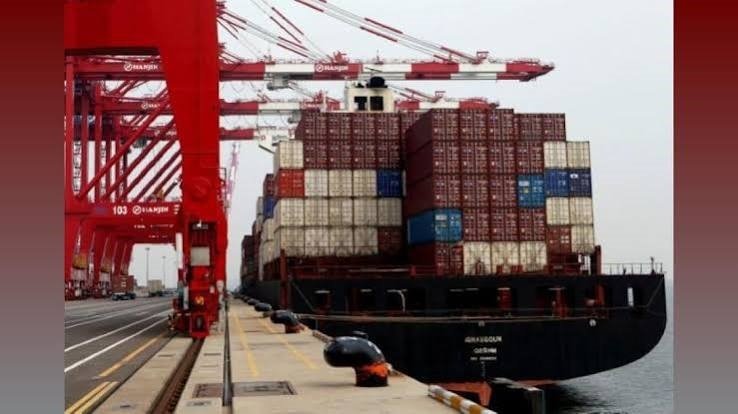
Logistics Will Play a Critical Role
Efficient logistics is essential for the success of cross-border e-commerce.
Small exporters need reliable systems for product pickup, international shipping, customs clearance, tracking and delivery.
For businesses in smaller towns, access to efficient logistics networks can be particularly important because their distance from major ports and airports may increase transportation costs.
Strengthening last-mile connectivity and integrating smaller cities with national and international logistics networks could therefore support the growth of e-commerce exports.
Opportunity for Women Entrepreneurs and Artisans
The expansion of e-commerce exports could also create opportunities for women entrepreneurs and artisan communities.
Many traditional products are manufactured by home-based producers, self-help groups and small enterprises.
Digital platforms can potentially provide these producers with direct access to markets without requiring them to relocate to major cities.
Greater market access could support income generation, entrepreneurship and the preservation of traditional skills.
Creating Employment Beyond Major Cities
The growth of export-oriented e-commerce businesses could have a wider economic impact.
As small businesses receive more international orders, demand could increase for workers involved in manufacturing, packaging, quality control, logistics, customer service and digital marketing.
This could contribute to employment generation in smaller towns and rural areas.
The resulting economic activity could also benefit supporting businesses such as packaging suppliers, transport operators and local service providers.
Quality and Branding Will Be Important
While e-commerce creates opportunities, businesses will also need to focus on product quality and branding to succeed internationally.
Global customers have high expectations regarding product consistency, packaging, delivery timelines and customer service.
Indian small businesses will therefore need to invest in quality control, attractive packaging, product photography, digital marketing and brand development.
For traditional products, communicating the cultural story and craftsmanship behind the product can also help create differentiation in international markets.
From Local Markets to Global Customers
The shift from local commerce to global e-commerce could fundamentally change the opportunities available to small businesses.
A handicraft producer who previously sold products through local markets could potentially reach customers in Europe, North America, the Middle East or other international markets through digital channels.
Similarly, small textile, jewellery and specialty-product businesses can use online platforms to test demand in foreign markets before making larger investments in international expansion.
This creates a relatively accessible pathway for businesses seeking to move from domestic sales to exports.
Challenges That Need to Be Addressed
Despite the potential benefits, e-commerce exports also face several challenges.
These include:
- International shipping costs
- Customs and regulatory compliance
- Returns and refunds
- International payment mechanisms
- Product quality standards
- Packaging and delivery requirements
- Digital literacy
- Foreign-market competition
- Currency-related risks
- Customer service across different markets
Addressing these issues will be important if small businesses are to take full advantage of global e-commerce opportunities.
Strengthening India’s Export Base
A broader e-commerce export ecosystem could help India diversify its export base by bringing more small businesses into international trade.
Instead of exports being concentrated among large manufacturers and established exporters, digital platforms could enable thousands of smaller businesses to participate.
This could make India’s export economy more inclusive and provide international markets with a wider range of Indian products.
Boost for India’s Digital Economy
The expansion of e-commerce exports would also complement India’s broader digital economy.
India has developed a strong digital payments ecosystem and a rapidly expanding online consumer market. Extending these capabilities to international commerce could create additional opportunities for businesses.
Digital infrastructure, online payments, logistics technology and e-commerce platforms can collectively make international trade more accessible to smaller enterprises.
Building a Stronger Global Brand for Indian Products
Indian products often have a strong identity in international markets because of the country’s diverse culture, traditional craftsmanship and manufacturing capabilities.
E-commerce can help convert this cultural and economic strength into stronger global brands.
Handloom, handicrafts, jewellery, textiles and other specialised products can be marketed not only as commodities but also as products with distinctive cultural and artistic value.
Effective branding and storytelling could therefore help Indian businesses command better visibility and potentially higher value in international markets.
(Economy India)