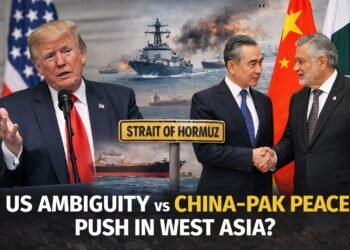

WASHINGTON (Economy India): Policy inconsistencies by Donald Trump regarding the ongoing Iran conflict have triggered confusion among Americans and raised concerns among global observers over the coherence of US foreign policy.
Over the past month, Trump’s statements have oscillated sharply—from seeking international cooperation to adopting a unilateral stance, and from aggressive military threats to sudden restraint—creating uncertainty around the United States’ strategic direction in the Middle East.
Mixed Signals on Global Cooperation
At the onset of the conflict, Trump indicated that the US might rely on support from NATO allies and other nations dependent on Middle Eastern energy supplies. He emphasized the importance of safeguarding the Strait of Hormuz—a critical maritime corridor through which nearly 20% of the world’s crude oil passes.
However, within days, the President appeared to reverse course, asserting that the US was capable of handling the situation independently without external assistance. The abrupt shift left allies uncertain about Washington’s expectations and commitments.

From Military Threats to Sudden Restraint
Trump’s rhetoric has also fluctuated on military action. At one point, he threatened to target Iran’s key energy infrastructure, signaling a potential escalation. Yet, almost overnight, he postponed such actions without offering a detailed explanation.
Critics argue that these rapid reversals undermine the credibility of US deterrence and complicate strategic calculations for both allies and adversaries.
Public Reaction and “TACO” Backlash
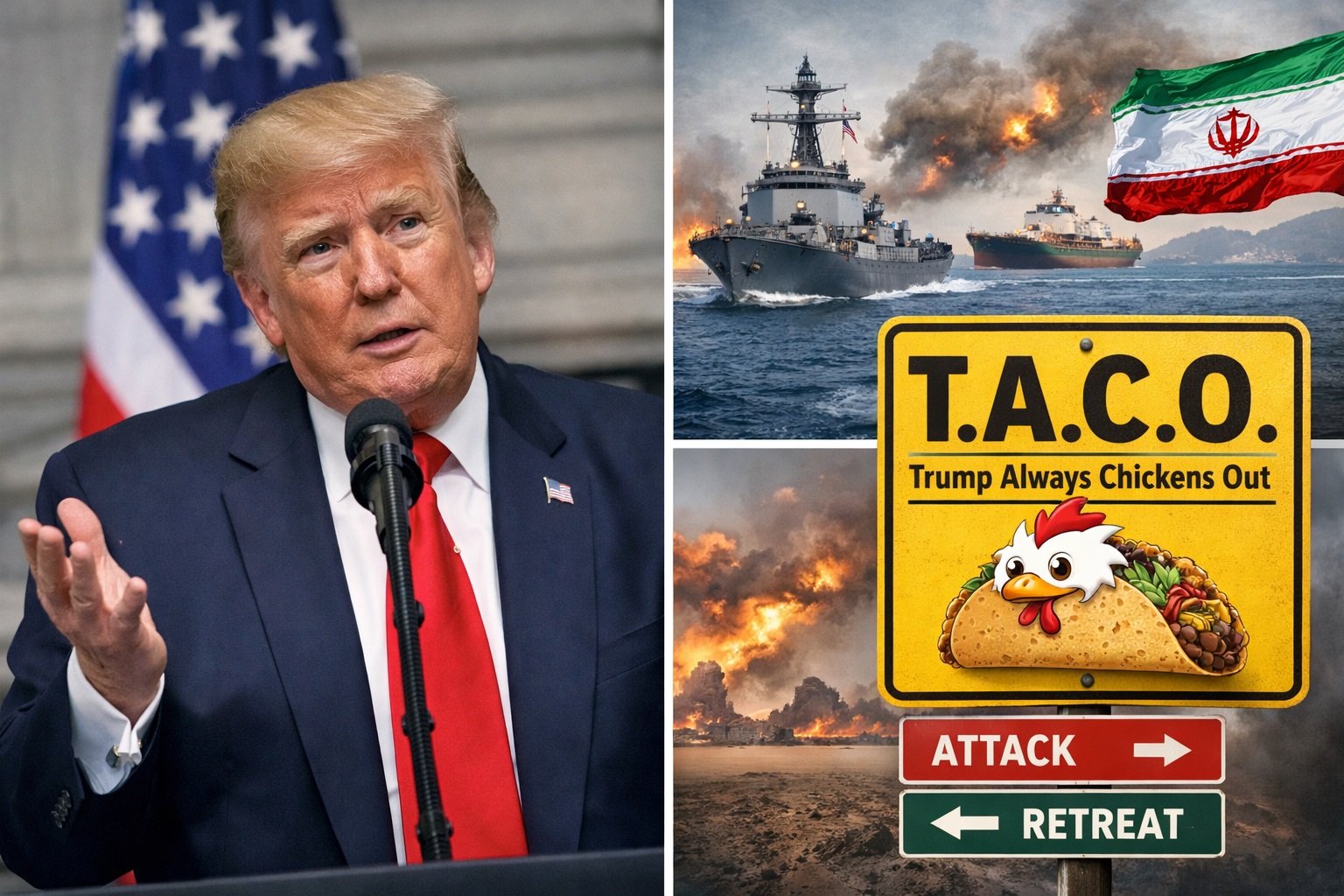
The President’s unpredictable stance has not gone unnoticed domestically. Social media users have coined the term “Trump Always Chickens Out (TACO)” to mock what they perceive as a pattern of strong rhetoric followed by retreat.
Political analysts suggest that such perceptions could weaken public confidence in leadership during a critical geopolitical crisis.
Strategic Implications
Experts warn that inconsistent messaging during a conflict of this scale can have far-reaching consequences:
- Allied Uncertainty: Partners may hesitate to align with US strategies amid unclear commitments
- Market Volatility: Oil markets remain sensitive to developments around the Strait of Hormuz
- Geopolitical Risks: Mixed signals may embolden adversaries or trigger miscalculations
As tensions persist, clarity and consistency in US policy will be crucial in maintaining global stability. Trump’s shifting positions have not only confused Americans but also raised broader questions about the reliability of US leadership in times of international crisis.
(Economy India)