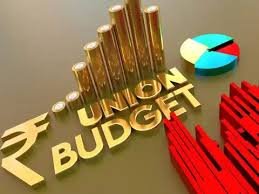
Mumbai (Economy India): The travel and tourism industry has welcomed the Union Budget’s strong focus on the tourism sector, describing it as a long-term growth driver and a strategic pillar of India’s broader economic growth story.
Industry leaders said key measures such as the rationalisation of Tax Collected at Source (TCS) on overseas tour packages and targeted investments in tier II and tier III cities, including temple towns, will significantly boost domestic and outbound tourism.
TCS Rationalisation to Ease Outbound Travel
The government’s move to rationalise TCS on overseas tour packages has been widely welcomed as it reduces the upfront liquidity burden on Indian outbound travellers.
Rajesh Magow, Chair, FICCI Tourism Committee and Co-founder & Group CEO of MakeMyTrip, said the decision directly addresses cash flow challenges faced by travellers.
“The rationalisation of TCS on overseas tour packages is a welcome step that eases the upfront liquidity impact on Indian outbound travellers and will help revive demand,” Magow said.
Industry stakeholders believe the move will improve affordability, encourage bookings, and provide momentum to the outbound travel segment.
₹5,000 Crore Allocation to Boost Tourism Infrastructure
The Budget has allocated ₹5,000 crore for the development of City Economic Regions (CERs), with a strong emphasis on tourism-led growth in tier II and tier III cities, including culturally significant temple towns.
Industry experts noted that focused infrastructure development in these regions will:
- Improve connectivity
- Strengthen hospitality capacity
- Generate employment
- Distribute tourism growth beyond major metros
The emphasis on regional tourism hubs is expected to unlock new destinations and support sustainable tourism development.
Tourism Seen as Strategic Growth Pillar
Industry players said the Budget signals the government’s recognition of tourism as a high-employment, high-multiplier sector with strong linkages to transport, hospitality, retail, and local economies.
With rising domestic travel, improving infrastructure, and supportive policy measures, the sector is expected to play a critical role in driving consumption, job creation, and regional development in the coming years.
— Economy India