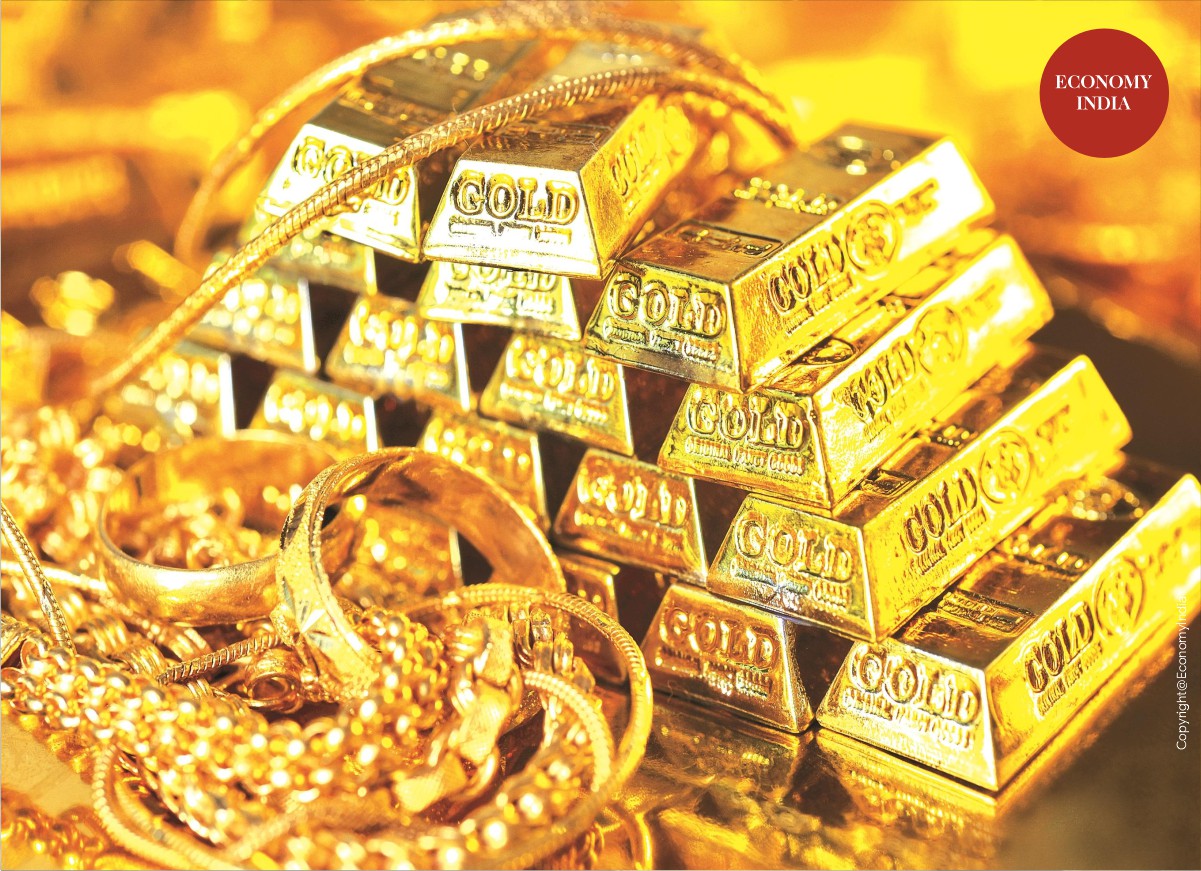
A 5000-word in-depth analysis on India’s cultural wealth paradox, financial behaviour, central bank strategy, and the economic challenge of ‘idle assets’.
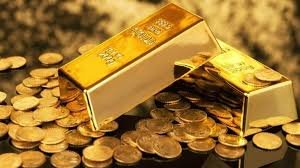
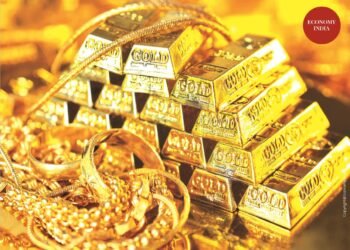
NEW DELHI (Economy India): India’s household gold holdings have surged past 34,600 tonnes, taking the estimated valuation of private gold to ₹450 lakh crore ($5 trillion) — a figure that now exceeds India’s current GDP of ₹370 lakh crore ($4.1 trillion). The increase comes as domestic and global gold prices touch all-time highs, reshaping the conversation around national wealth, monetary safety, and cultural behaviour.
According to a Morgan Stanley estimate, India remains the world’s largest private owner of gold, and this gap between household gold wealth and economic output has widened sharply in 2024–25.
Introduction: India’s Golden Paradox
For generations, India has been called the land of gold. But in 2025, this metaphor turned into measurable economic reality. According to Morgan Stanley and independent commodity estimates, Indian households now possess over 34,600 tonnes of gold — a volume that translates into a market value of ₹450 lakh crore ($5 trillion) at current prices.
This means:
- India’s stored household gold is worth more than the entire GDP of the country (₹370 lakh crore or $4.1 trillion), and
- India’s privately held gold stock alone equals the annual economic output of major global economies such as Germany or Japan.
This is an extraordinary moment in economic history — one that reveals a cultural strength, a financial cushion, and simultaneously a development challenge.

Historical Context: Why India Became a Gold Economy
India’s relationship with gold is not recent. Historians trace gold usage in the subcontinent to nearly 3000 years ago. Every century added a new layer to this relationship:
| Era | Why Gold Became Important |
|---|---|
| Maurya & Gupta Empires | State reserves, kingdom valuation, empire credibility |
| Mughal Period | Royal treasury and merchant trade guarantee |
| British Raj | Wealth security amid colonial extraction |
| Post-Independence | Hedge against inflation, banking distrust, currency instability |
| Post-1991 Liberalisation | Savings diversification; hedge against global volatility |
| 2020–2025 Pandemic & Instability | Safe-haven during crisis; global demand surge |
Unlike Western economies, where gold is primarily a tradable asset, in India it evolved as a currency of trust — safer than banks, politics, rupee value, or markets.
Cultural Behaviour: Why Indians Don’t Sell Their Gold
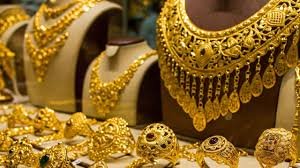
Even though prices rise, gold does not re-enter the market easily in India. It is not treated as a trading commodity but a family capital asset.
Three Core Behaviour Drivers:
- Emotional value outweighs financial value
- Legacy & security mindset — gold is wealth for “bad days”
- Inter-generational transfer — parents to children, weddings, inheritance
“Gold in India is not wealth to be spent; it is wealth to ensure existence.”
— Sociologists studying consumption behaviour
This explains why, despite record-high prices, gold circulation in the economy remains stagnant.
Why Gold Prices Hit Record Levels in 2024–2025
Gold is rising sharply due to global macroeconomic behaviour:
| Factor | Impact on Gold |
|---|---|
| US–China geopolitical rivalry | Flight to safe assets |
| Russia–Ukraine & Middle East tensions | Commodity price shock |
| Weakening global trust in USD reserves | Central banks shifting to gold |
| Persistent inflation cycles | Gold as hedge |
| Collapse of dollar-dominant oil pricing | Energy market volatility |
Central banks across the world, including India, Turkey, and China, have quietly increased gold holdings to reduce dependence on the US dollar.
India vs The World: Gold Comparison With Global Economies
| Country | Household Gold Ownership | Central Bank Reserves | Cultural Usage |
|---|---|---|---|
| India | 34,600 tonnes (highest) | 880 tonnes | Cultural + Savings |
| China | ~20,000 tonnes | 2,262 tonnes | Reserve + Investment |
| USA | Low household, high institutional | 8,133 tonnes | Policy reserve |
| Turkey | High investment demand | 540 tonnes | Inflation hedge |
| UAE | High per capita holdings | ~71 tonnes | Investment focus |
India is unique — gold is with citizens, not the state.
The Wealth Effect Debate
A major question:
If Indians are richer on paper, why doesn’t consumption rise?
In Western economies:
- Higher asset prices = higher spending
- Known as the wealth effect
But in India:
- Higher gold prices do not meaningfully increase consumption
- Because people refuse to liquidate gold
Thus, the wealth effect stops at sentiment, not spending.
“Gold makes Indians feel wealthier, but not freer to spend.”
— MK Global Research
RBI’s Gold Buying Strategy: The State Follows the Public
The Reserve Bank of India has quietly increased gold reserves by 75 tonnes in 2024, taking total holdings to 880 tonnes, or 14% of foreign reserves.
Why RBI Is Buying Gold:
- de-dollarisation strategy
- hedge against sanctions or payment system risk
- build alternative reserve buffers
- support long-term financial sovereignty
China is doing the same, signaling a global shift in monetary systems.
The Economic Problem: Gold is an “Idle Asset”
The Paradox:
Indians are wealthy, but the economy cannot use that wealth.
- Gold produces no dividends
- It doesn’t generate employment or income
- It restricts capital formation
- It increases import bills
| Category | Impact |
|---|---|
| GDP Growth | Neutral to negative |
| Capital Market Depth | Weakens due to lack of liquidity |
| Current Account Deficit | Worsens due to imports |
| Currency Stability | Pressure on rupee |
Government Attempts to Bring Gold Back Into the System
| Scheme | Objective | Success Rating |
|---|---|---|
| Sovereign Gold Bonds (SGBs) | Convert physical gold to financial | ⭐⭐⭐ |
| Gold Monetisation Scheme (GMS) | Unlock unused household gold | ⭐⭐ |
| Gold ETFs | Market-based digital ownership | ⭐⭐⭐⭐ |
| Digital Gold | Entry-level investment product | ⭐⭐⭐ |
But participation remains limited.
The Sociology of Gold: Emotional vs Economic Value
Gold in India has the attributes of:
- identity
- status
- insurance
- ritual capital
- marriage negotiation asset
- intergenerational legacy
This emotional premium makes gold price-inelastic — Indians buy irrespective of price.
Global Monetary Transition: End of the Dollar Era?
India and China increasing gold reserves signals a long-term trend:
- Trading blocs forming non-dollar trade routes
- BRICS nations exploring gold & commodity-backed settlements
- Energy markets possibly shifting away from US dollar pricing
The future of money may look like:
🟡 Gold-backed reserves
🟡 Digital settlement currencies
🟡 Limited dollar dominance
India’s $10 Trillion Goal & the Gold Question
To reach the next economic milestone, India must:
- Monetise part of its gold
- Strengthen capital markets
- Increase domestic production
- Reduce gold import dependency
If just 10% of household gold enters the economy, India could unlock:
- ₹45 lakh crore investible capital
- Massive manufacturing credit lines
- Infrastructure acceleration
- MSME expansion financing
India Has Wealth, But Not Liquidity
India today stands at a crossroads:
- The people are wealthy.
- The state is stable.
- But the economy needs capital utilisation, not capital storage.
Without unlocking idle gold, India’s growth engine will always run at half its potential.
The challenge before policymakers is no longer to create wealth —
but to activate the wealth that already exists.
(Economy India)