

NEW DELHI | Economy India | Indian carriers, including IndiGo, Air India, Air India Express, and SpiceJet, have launched more than 12 special flights from key cities in Saudi Arabia and the United Arab Emirates to evacuate and accommodate passengers affected by the escalating Middle East conflict.
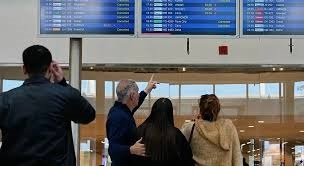
The move comes as tensions in parts of the Middle East disrupted scheduled commercial aviation services, leaving hundreds of passengers stranded or facing last-minute cancellations.
Emergency Air Connectivity Restored
According to airline officials, these special flights are being operated to restore connectivity between India and major Gulf hubs, particularly for Indian expatriates, business travelers, and families whose travel plans were severely impacted.
Among the immediate measures:

- Air India Express resumed services to Muscat on Tuesday.
- IndiGo is set to restart flights to Muscat, Jeddah, and Madinah on Wednesday.
- Additional outbound special flights to Middle East destinations are scheduled to operate mid-week.
Airlines stated that flight schedules are being dynamically adjusted depending on airspace advisories, safety assessments, and demand patterns.
Relief for Indian Diaspora in the Gulf
The Gulf region hosts millions of Indian nationals, particularly in the UAE and Saudi Arabia. Travel disruptions triggered by the regional conflict created logistical challenges for workers, students, pilgrims, and business professionals.
Industry analysts estimate that hundreds of passengers were awaiting rescheduled flights after cancellations and temporary route suspensions.
The resumption of operations to Muscat, Jeddah, and Madinah is particularly significant because:
- Muscat serves as a major transit and employment hub for Indian workers.
- Jeddah and Madinah are critical for religious travel and Umrah pilgrimages.
- Saudi Arabia and UAE remain among India’s busiest international aviation corridors.

Airlines Adjusting Operational Strategy
Airlines are closely monitoring regional developments and airspace advisories. The Middle East crisis has led to:
- Airspace diversions
- Extended flight durations
- Higher fuel consumption due to rerouting
- Increased operational costs
Despite these challenges, Indian carriers have prioritised passenger evacuation and service restoration.
An aviation industry expert told Economy India that operating special flights under such circumstances reflects both commercial necessity and humanitarian responsibility.
Impact on Aviation Sector
The Middle East is one of the most important international markets for Indian aviation.
Key Factors:
- High Passenger Traffic – Gulf routes account for a significant share of outbound Indian international travel.
- Expatriate Workforce – Millions of Indian workers rely on consistent air connectivity.
- Religious Travel – Saudi Arabia routes are crucial for Umrah and Hajj-related travel.
- Cargo Movement – Trade flows also depend on stable air connectivity.
Any prolonged disruption could affect:
- Ticket pricing
- Airline margins
- Passenger confidence
- Bilateral trade logistics
However, quick deployment of special flights has helped mitigate large-scale disruption.
Government Coordination and Safety Measures
While airlines have not disclosed detailed coordination frameworks, aviation authorities are understood to be working closely with:
- Air traffic regulators
- Foreign aviation authorities
- Airport operators
- Diplomatic missions in the region
Passenger safety remains the primary consideration in route planning.
Operational Challenges Amid Conflict
The current regional tension has resulted in:
- Sudden flight cancellations
- Delays due to re-routed air corridors
- Increased insurance and operational costs
- Uncertainty in passenger demand
Airlines are also dealing with crew scheduling adjustments and aircraft deployment constraints.
Industry observers note that prolonged instability could push up fares if fuel costs and insurance premiums rise.
Economic Implications for India
The Middle East region plays a crucial role in India’s:
- Remittance inflows
- Energy imports
- Trade relationships
- Aviation traffic revenue
Stable air connectivity ensures:
- Continued labour mobility
- Sustained remittance flows
- Minimal disruption to business travel
The swift resumption of services signals resilience in India’s aviation ecosystem.
What Passengers Should Know
Airlines have advised passengers to:
- Check flight status before departure
- Monitor official airline communication channels
- Allow extra time for airport procedures
- Be prepared for potential route changes
Flexible rescheduling options are reportedly being provided in several cases.
Short-Term Disruption or Prolonged Adjustment?
Aviation analysts believe that if tensions ease quickly, operations may stabilise within days. However, extended geopolitical uncertainty could lead to:
- Temporary capacity reductions
- Higher operating costs
- Volatile fare structures
For now, Indian carriers appear committed to maintaining essential connectivity with the Gulf region.
The operation of more than 12 special flights by Indian airlines marks a timely intervention to support stranded passengers amid escalating Middle East tensions. With services resuming to Muscat, Jeddah, and Madinah, the aviation sector has demonstrated operational flexibility and responsiveness.
While geopolitical uncertainties remain, swift coordination between airlines and authorities has helped restore a measure of normalcy for travelers.
The coming days will determine whether this remains a short-term disruption or evolves into a longer operational challenge for the aviation industry.
(Economy India)