High-stakes negotiations aim to fast-track Phase-1 trade deal as both countries push to deepen economic ties
New Delhi (Economy India): India and the United States will begin a three-day round of negotiations from December 10 to advance the first phase of their proposed bilateral trade agreement, senior government sources confirmed on Friday. The discussions mark a crucial moment in ongoing efforts to reshape economic ties between the world’s largest and fifth-largest economies.
According to officials familiar with the developments, the talks will focus on ironing out remaining differences in market access, tariff rationalisation, digital trade, intellectual property, agricultural products, and investment facilitation. Both nations are aiming to “finalise the contours” of the Phase-1 pact at the earliest.

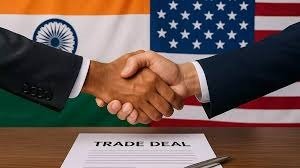
Phase-1 Deal Expected to Clear Path for Broader Comprehensive Trade Agreement
The three-day engagement holds significance as New Delhi and Washington have been working for months to close gaps on the initial package before moving to a broader and more comprehensive framework.
Sources said the Phase-1 agreement aims to address “low-hanging issues” first, enabling both sides to unlock easier gains before tackling more complex matters such as data flows, e-commerce regulations, and dispute settlement frameworks.
Officials noted that the recent alignment on digital public infrastructure, supply chain resilience, and clean energy transition has helped bring more convergence to the negotiation table.
Key Agenda for the Upcoming Talks
Tariff Reductions and Market Access
The US has been pushing for lower tariffs on agricultural goods, medical devices, and ICT products.
India is seeking improved access for its pharmaceuticals, textiles, engineering goods, and IT services. Digital Trade and Data Regulations
A crucial chapter expected to be discussed relates to cross-border data flows, data storage norms, and digital taxation.
India maintains that its evolving regulatory framework — including the Digital Personal Data Protection Act (DPDP) — must be respected in any commitments.
Investment Facilitation
Both countries are exploring smoother pathways for American investment in India’s manufacturing, infrastructure, defence, and semiconductor sectors.
Agriculture and Food Safety Standards
Long-standing disagreements on food safety rules, dairy imports, and pest-control standards are expected to come up for fresh discussion.
Why the Talks Matter Now
The negotiations come at a time when both countries are seeking to strengthen trade resilience amid global economic uncertainty. Bilateral trade between India and the US stood at USD 118.2 billion in FY24, making the United States India’s largest trading partner.
While ties have grown significantly, unresolved tariff disputes and regulatory tensions have prevented both sides from concluding a formal free trade agreement (FTA).
An official said that India and the US “want meaningful progress before the political calendar becomes tighter in 2025.”
Background: Steady Progress After Earlier Irritants Settled
Over the past 18 months, India and the US have resolved several legacy trade irritants, including the restoration of benefits under the Generalised System of Preferences (GSP) and withdrawal of certain retaliatory tariffs.
The two nations have also been collaborating under frameworks such as:
- India–US Trade Policy Forum (TPF)
- iCET (Initiative on Critical and Emerging Technologies)
- QUAD Supply Chain Framework
Officials say the upcoming round is likely to add momentum to these parallel engagements.
What Happens After the December 10 Talks?
If the December round results in consensus on outstanding Phase-1 issues, negotiators from both sides are expected to draft a formal Joint Framework Agreement early next year.
The US trade delegation, led by senior officials from the Office of the US Trade Representative (USTR), will also hold meetings with Indian industry associations, including CII, FICCI, and USIBC.
(Economy India)