Congress raises concerns over the European Union’s Carbon Border Adjustment Mechanism (CBAM), urging the Government to ensure Indian exporters are protected in the upcoming Free Trade Agreement.
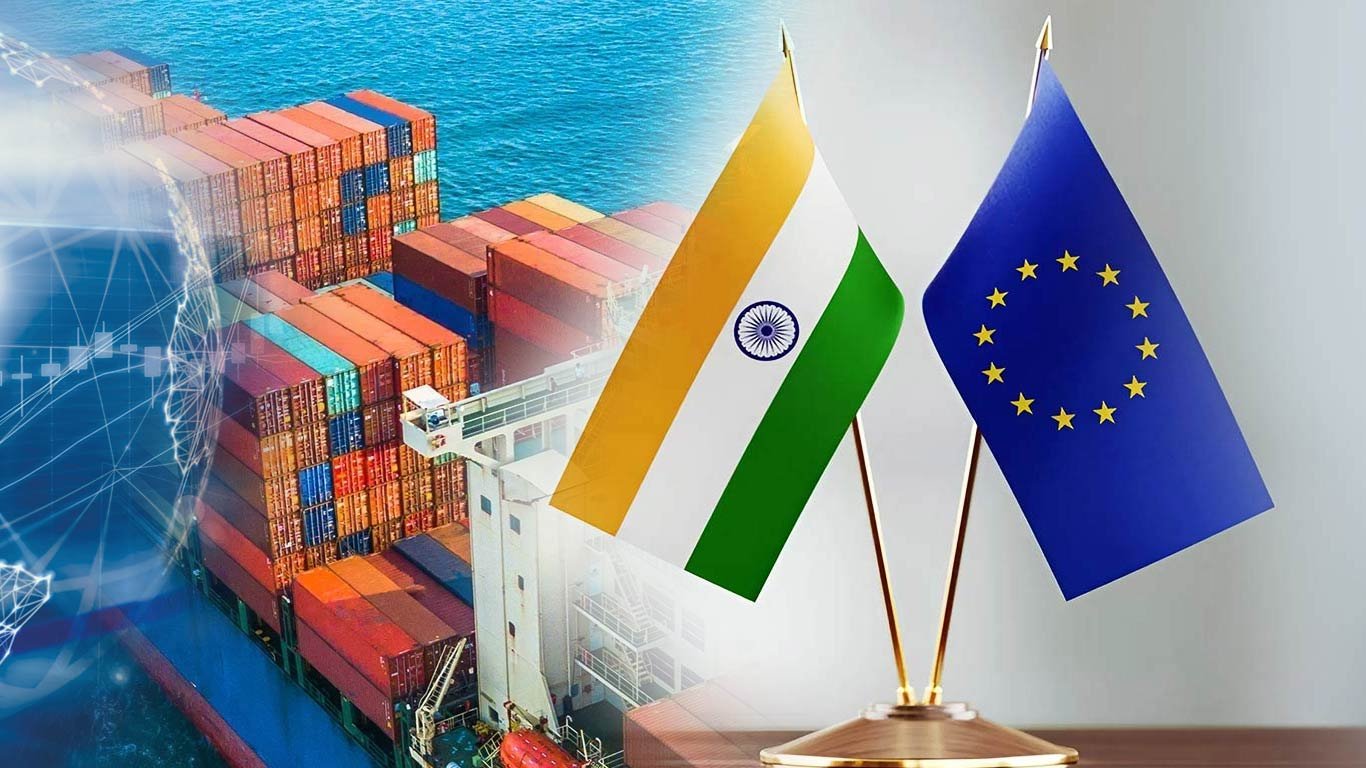
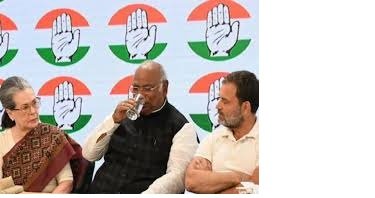
New Delhi (Economy India): The Congress party on Thursday urged the central government to remove what it described as a “carbon tax barrier” in the proposed India–European Union Free Trade Agreement (FTA), warning that the current framework could adversely impact Indian exporters. The party said that the carbon levy imposed by the EU is “unacceptable” and must be resolved before finalising the agreement.
Party General Secretary Jairam Ramesh cited concerns regarding the EU’s Carbon Border Adjustment Mechanism (CBAM), which proposes additional charges on carbon-intensive imports such as steel and aluminium. If imposed in its current form, the mechanism could affect Indian manufacturing sectors significantly, especially from January 1, 2026, when the carbon tax is expected to take effect.

What Congress Said
In a post shared on social media platform X, Jairam Ramesh stated:
“Reports suggest that the long-awaited India–EU Free Trade Agreement may be finalised by the end of this month. Meanwhile, from January 1, 2026, Indian steel and aluminium exporters to the 27-nation EU bloc will have to pay a carbon tax under CBAM. This is entirely unacceptable.”
He added that the government must negotiate firmly to prevent an additional cost burden falling on Indian industries that are already competing in global markets.
Industry Impact Under CBAM
The European Union’s carbon tax structure aims to discourage imports of products linked to higher carbon emissions. However, Indian industry associations have raised concerns that:
- It will increase export costs for manufacturers
- Reduce the global competitiveness of steel and aluminium sectors
- Put additional pressure on small and medium industrial units
- Require new compliance systems and monitoring
Trade experts believe that India could seek exemptions, transition periods, or rebates as part of the FTA negotiations to offset the burden.

Potential Negotiation Points for India
To protect domestic sectors, trade analysts suggest India may push for:
- Temporary waiver of CBAM for Indian exporters
- Low or zero-tariff access for steel and aluminium
- Technology and financial support for decarbonisation
- Gradual transition window beyond 2026
A failure to negotiate relief measures could impact export volumes worth thousands of crores annually.
As India and the EU move closer to finalising the FTA, the carbon tax issue has emerged as a major strategic challenge. The coming weeks will be crucial in determining whether India secures a deal that protects its domestic industries while expanding access to European markets.
(Economy India)