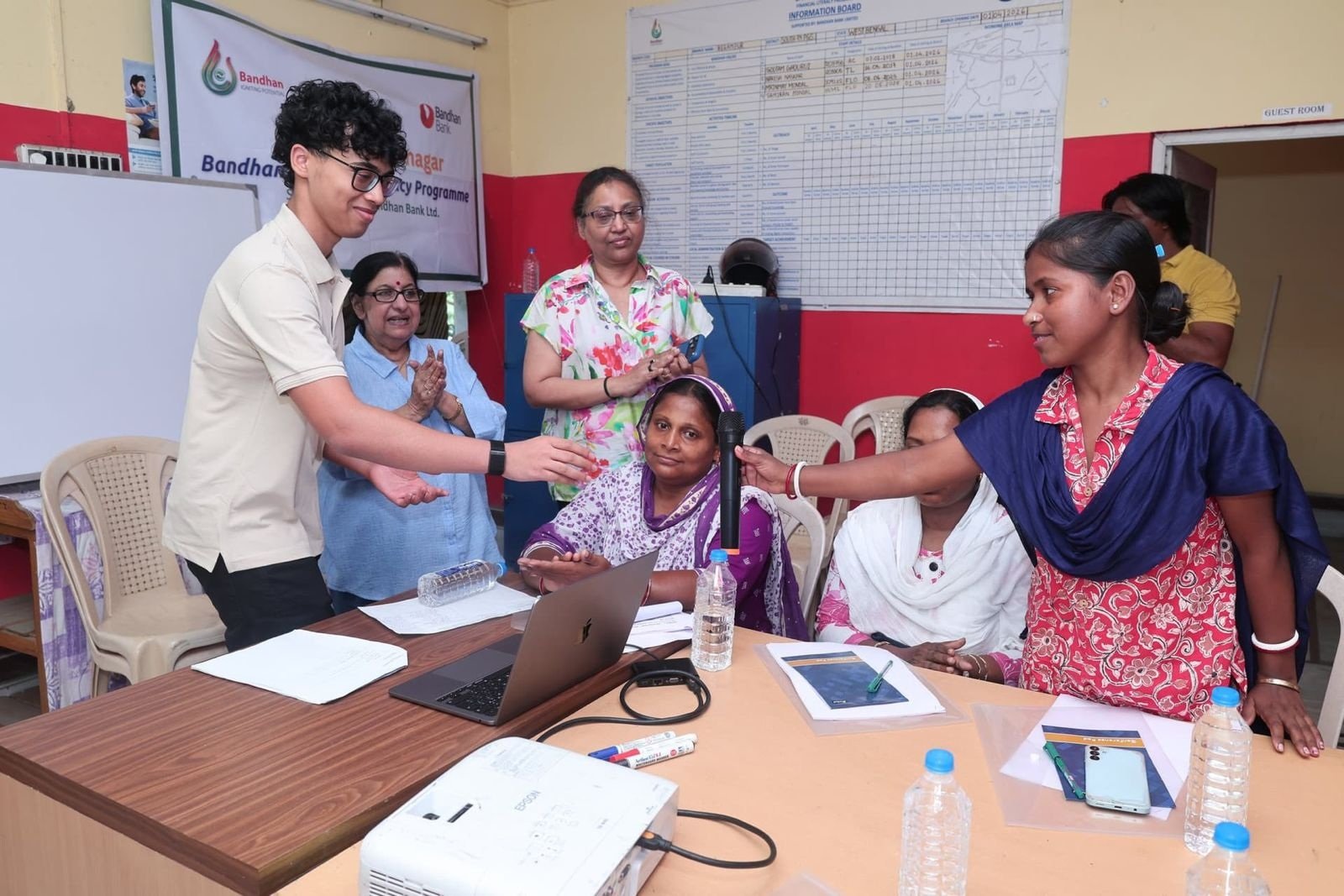
The Prosperity Project, founded by Rehaan Chowdhary, has reached 420 learners through community and workplace workshops across West Bengal and Maharashtra.
Mumbai, (Economy India): At just 17, Rehaan Chowdhary is working to make financial education more accessible to women in India. While pursuing his studies at Nord Anglia International School Dubai, he has founded and developed The Prosperity Project, an initiative that teaches practical money-management skills through community and workplace workshops.
Founded in 2025, the project has reached 420 direct learners across West Bengal and Maharashtra, according to figures shared by the initiative. Its workshops cover everyday financial decisions, including budgeting, savings, borrowing, investments, digital payments and recognising financial fraud.
The initiative is built around a simple idea: financial inclusion involves not only access to financial services but also the knowledge needed to use them confidently and responsibly.
From a Personal Conversation to a Financial Education Initiative
The idea behind The Prosperity Project emerged from conversations between Rehaan and Shampa, who has looked after him since birth. Learning about financial fraud that had affected her family encouraged him to consider how financial awareness could help people safeguard their savings and make informed decisions.
What began as an interest in understanding finance developed into an effort to make financial knowledge accessible to women who may have limited opportunities for structured financial education.
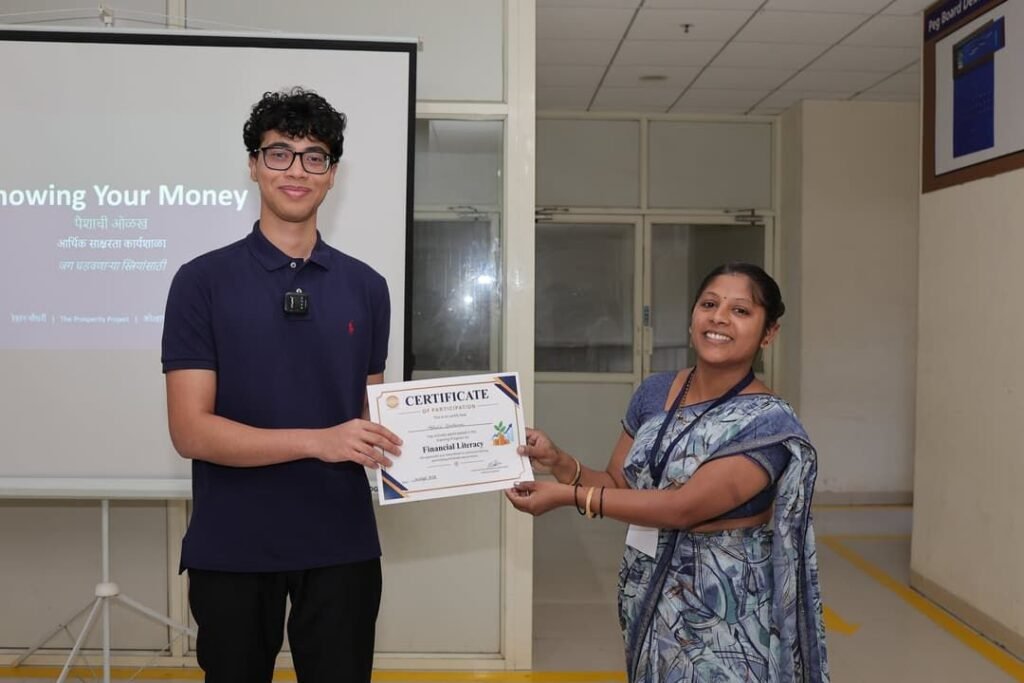
To support this goal, Rehaan created Knowing Your Money, a ten-module curriculum and textbook designed to explain financial concepts through familiar situations and accessible examples.
“I wanted to make financial education practical and relevant to the decisions people face in their everyday lives. It is not just about knowing how money works, but about being able to ask the right questions, understand the risks involved and make informed decisions about your own money,” says Rehaan Chowdhary, Founder of The Prosperity Project.
Making Financial Concepts Relevant to Everyday Life
The Knowing Your Money curriculum focuses on practical financial decisions rather than abstract concepts alone. It covers budgeting, wages, savings, borrowing, investments, digital payments, financial fraud and emergency planning.
Through examples and guided discussions, participants learn how to track household expenses, compare loan repayment terms, assess financial offers and protect their banking information. The sessions also explain the risks associated with different financial products and the importance of planning for unexpected expenses.
The objective is to help participants approach financial decisions with greater awareness, understand the terms attached to financial products and recognise potential warning signs before committing their money.
Workshops Reach Communities and Workplaces Across Two States
The Prosperity Project has expanded through collaborations with community organisations and an employer, allowing the programme to reach women in different settings.
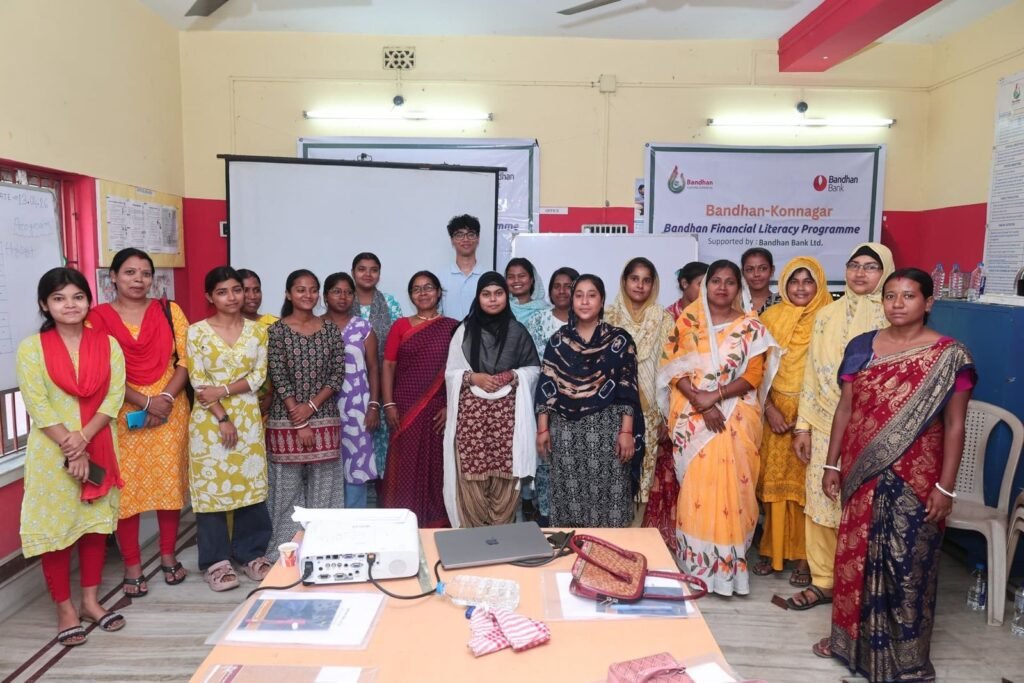
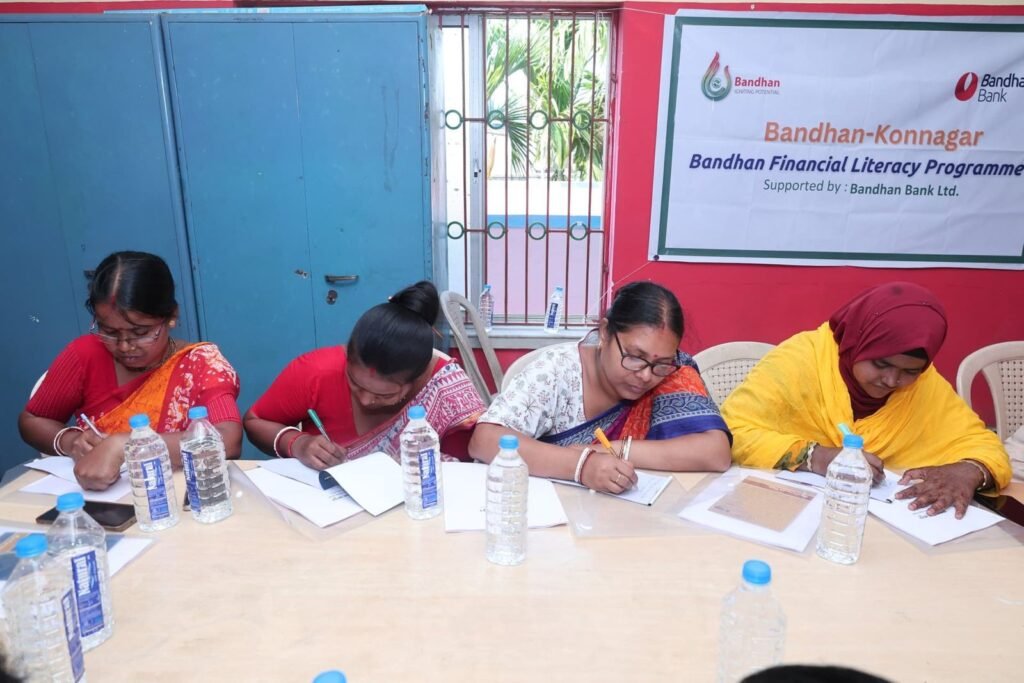
Its initial workshops were conducted in Baruipur, West Bengal, in collaboration with Bandhan-Konnagar and with support from Bandhan Bank. The initiative subsequently expanded to Asansol through Bengal Shristi Infrastructure Development Limited and FEED.
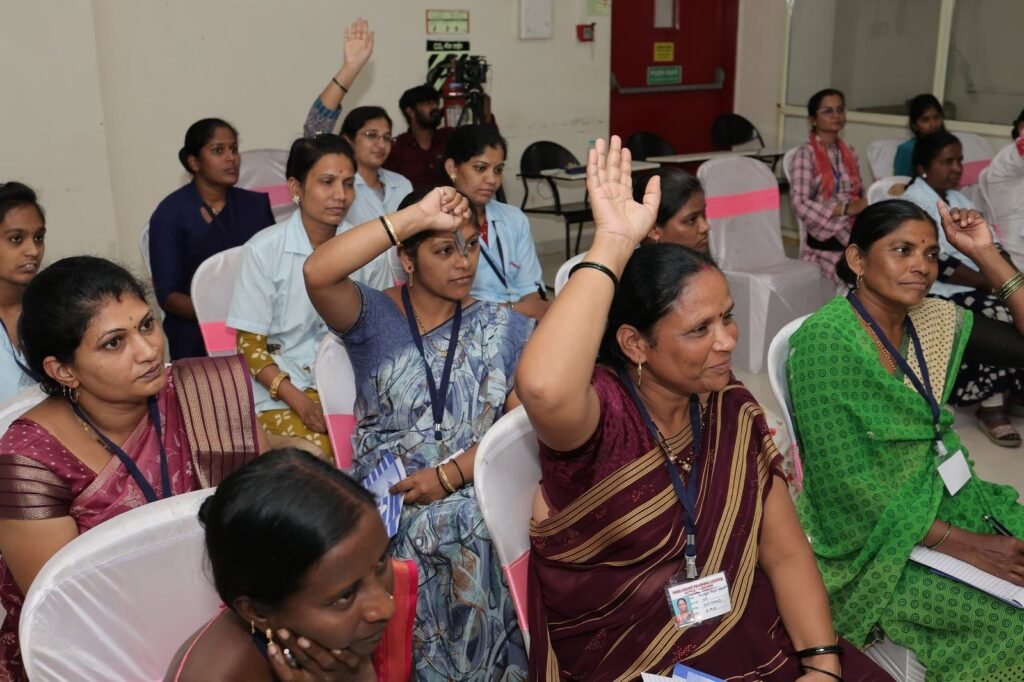
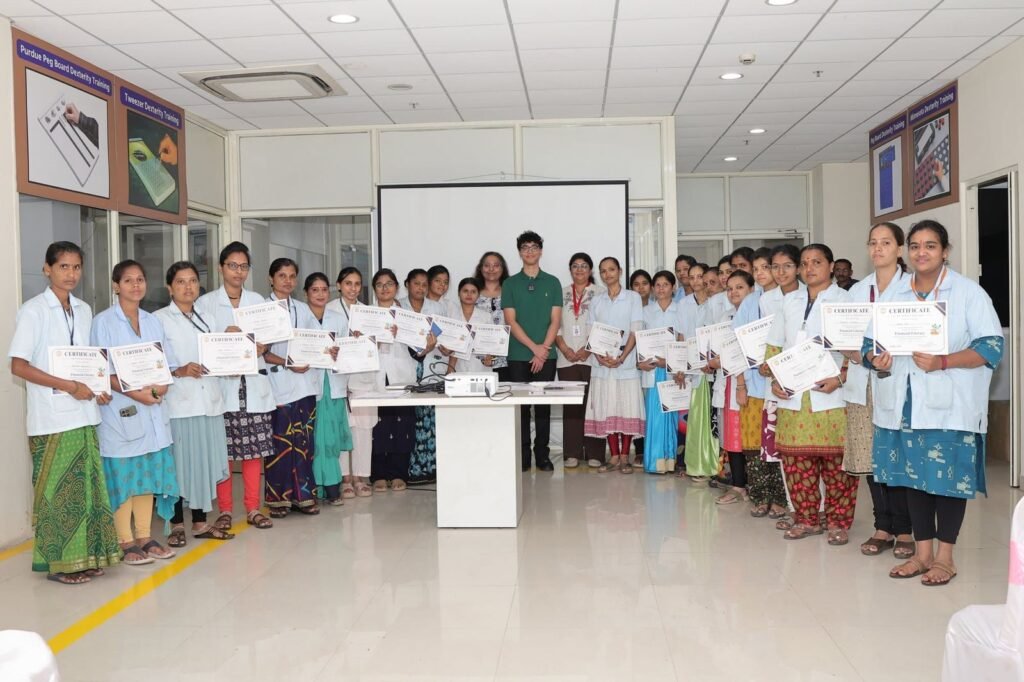
The programme also entered a workplace setting through Indo Count in Kolhapur, Maharashtra, where workshops involved 200 women.
According to figures provided by the project, its direct learner reach is distributed as follows:
- Bandhan-Konnagar: 40 learners
- Bengal Shristi Infrastructure Development Limited: 70 learners
- FEED: 110 learners
- Indo Count: 200 learners
Together, these collaborations account for 420 direct learners across the two states.
Community Resource Persons Aim to Extend Learning
An important element of the initiative is its Community Resource Person (CRP) model, which is designed to help financial education continue beyond individual workshops.
Rehaan has trained 40 CRPs through the Bandhan and Bengal Shristi collaborations. These facilitators are equipped to share the learning materials with others and support the wider dissemination of financial knowledge.
The 40 CRPs are included in the project’s reported total of 420 direct learners. People subsequently reached through their teaching are not included in that figure.
The project has also developed teaching videos, multilingual resources and a website so that participants and facilitators can revisit the curriculum. The model is intended to help partner organisations build their own capacity to continue financial education within communities and workplaces.
Adapting Financial Education to Local Needs
The initiative recognises that financial education must be accessible to people with different language backgrounds and learning needs.
Workshops are conducted in Hindi and English, with local teams providing language support where required. At Indo Count, local assistance helped facilitate Marathi translation.
Using familiar examples and locally relevant explanations, the sessions aim to make financial concepts easier to understand and apply. The approach also allows partner organisations to support participants in the settings where they live and work.
Assessments to Track Learning and Longer-Term Impact
The Prosperity Project uses before-and-after assessments to examine participants’ understanding of the curriculum and identify topics that may require further explanation.
Rehaan has developed a supporting measurement system to match participant responses, score assessments and organise data. Follow-up tools are intended to explore what participants retain and whether they report applying the learning in their everyday financial decisions.
An impact report is being finalised. According to the project, the report and detailed outcome findings will be shared separately and published on its website.
The initiative’s reported reach of 420 learners provides a measure of participation. Further assessment findings will be important in understanding how much participants learn and whether the programme leads to lasting changes in financial knowledge and behaviour.
Expanding Through Community Organisations and Employers
The Prosperity Project plans to extend its work through additional community organisations and employers. Its approach emphasises locally relevant teaching materials, facilitator preparation and follow-up learning.
The longer-term objective is to enable organisations working with women to use the project’s resources and support local facilitators in continuing financial education within their communities and workplaces.
By combining a structured curriculum with community partnerships, the initiative seeks to create a model that can be adapted to different groups and settings.
Financial Literacy as a Dimension of Inclusion
India’s financial inclusion efforts involve more than connecting people to bank accounts, digital payments and other financial services. People also need to understand how these services work, evaluate financial risks and make decisions suited to their circumstances.
For women managing household budgets, assessing borrowing options or navigating digital financial services, practical knowledge can be an important part of that process.
Through Knowing Your Money, its community partnerships and its CRP model, The Prosperity Project is working to make financial education more accessible. Its next phase will focus on expanding partnerships and assessing how effectively the learning translates into everyday financial decisions.
At 17, Rehaan Chowdhary has started with a defined curriculum and a network of community and workplace partners. The programme’s continuing reach and forthcoming impact findings will help demonstrate how far this approach can support financial awareness among women.
Founded in 2025 by Rehaan Chowdhary, The Prosperity Project is a financial education initiative that works with community and workplace partners to provide practical learning on money management and financial decision-making. Its ten-module curriculum, Knowing Your Money, covers budgeting, wages, savings, borrowing, investments, digital payments, financial fraud and emergency planning.
(Economy India)