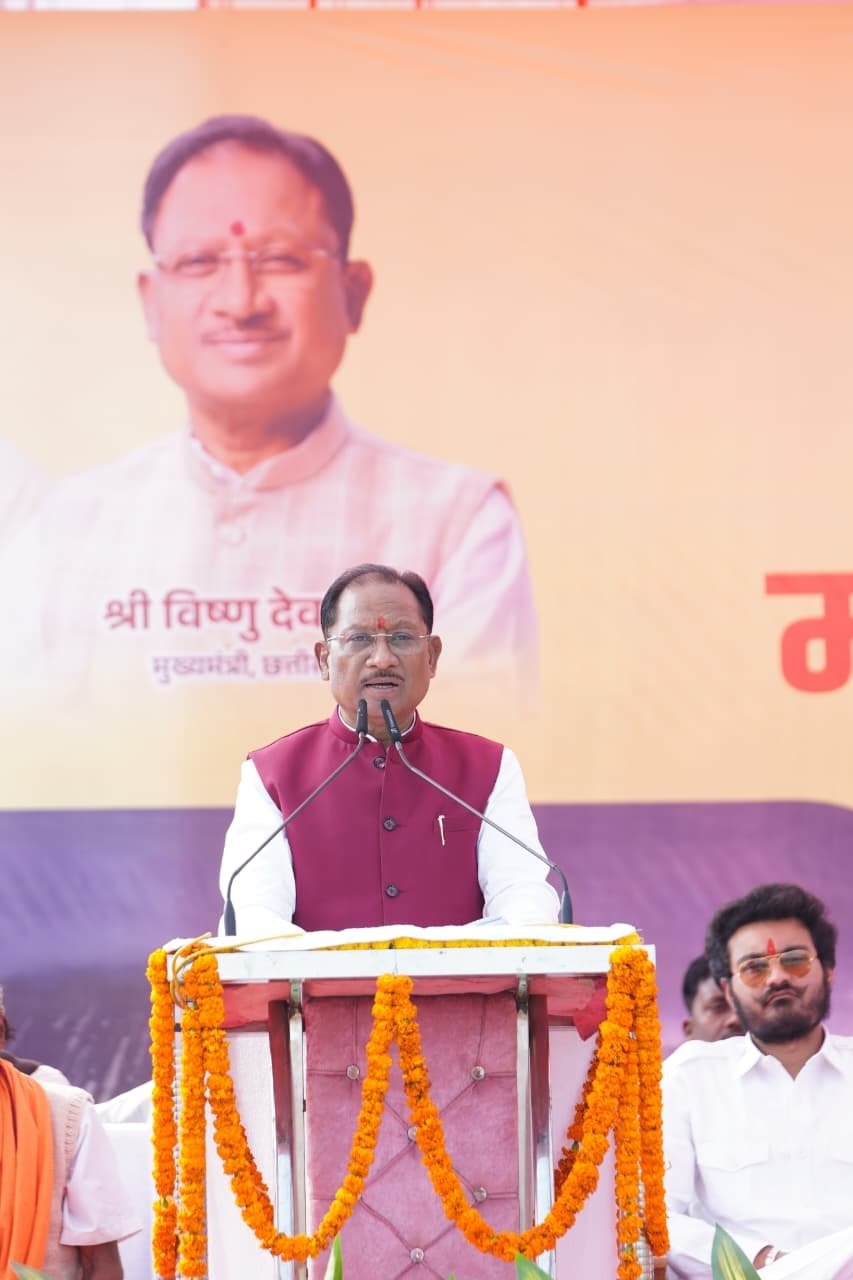
₹10 crore Swadesh Darshan 2.0 project aims to boost eco-tourism, religious travel and local employment in Chhattisgarh’s Jashpur district
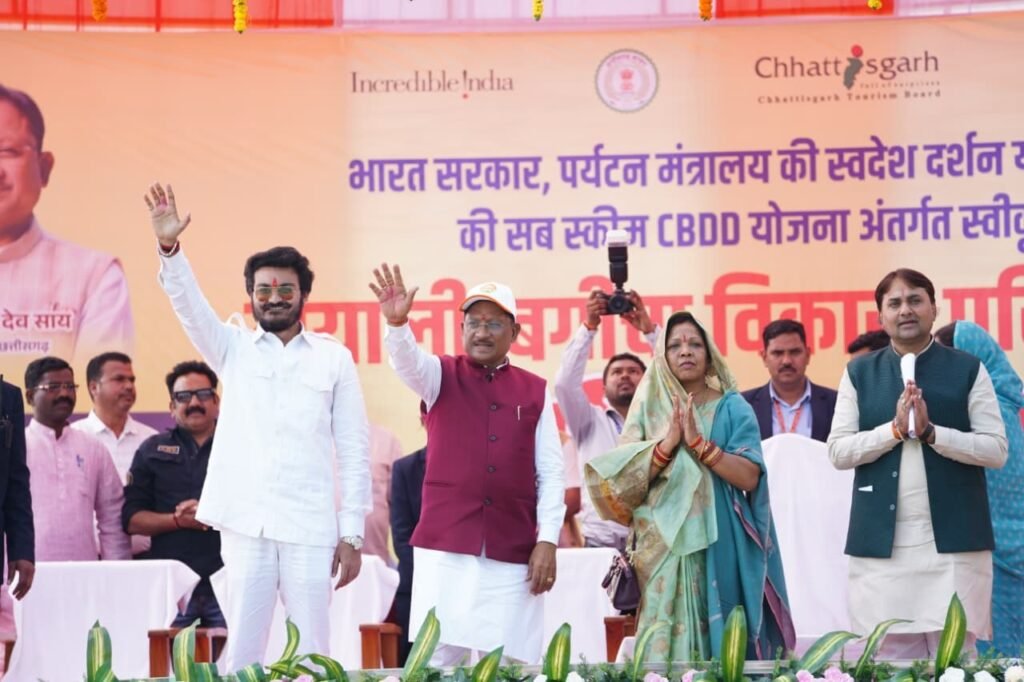
Raipur (Economy India): Chhattisgarh has taken a significant step towards repositioning itself on India’s tourism and investment map with the launch of the ₹10-crore Mayali–Bagicha Tourism Development Project under the Centre’s Swadesh Darshan Scheme 2.0. Chief Minister Vishnu Deo Sai’s vision to develop Mayali in Jashpur district as a global tourism destination reflects the state’s broader strategy of leveraging eco-tourism, religious heritage and community participation to drive sustainable economic growth.

Tourism as a New Economic Engine
Traditionally known for its mineral wealth and forest resources, Chhattisgarh is increasingly viewing tourism as a high-potential, low-impact growth sector. The Mayali project is designed not merely as an infrastructure initiative but as a community-based tourism model, integrating natural landscapes, tribal culture and religious significance.
With globally unique attractions such as Madheshwar Parvat—believed to be the world’s largest natural Shivling—and the Kailash Cave in Bagicha, the region offers strong potential for both domestic and international tourism.
Infrastructure Investment with Multiplier Effect
The project will create modern tourism infrastructure including eco-cottages, a convention and conference hall, skill development centre, landscaped pathways, entry gates, sanitation facilities and visitor amenities. Such investments typically generate high local economic multipliers, supporting hospitality, transport, handicrafts and allied services.
Economists note that every rupee spent on tourism infrastructure can generate 2–3 times economic activity at the local level, particularly in rural and tribal regions.
Community Participation and Employment Generation
A key feature of the initiative is its alignment with the state’s home-stay policy, allowing local families to directly participate in tourism value chains. This approach ensures that tourism revenue remains within the local economy rather than leaking to external operators.
The proposed skill development centre will train youth in tour guiding, hospitality services, adventure tourism, handicrafts and digital booking platforms. This is expected to create direct employment opportunities while also encouraging micro-entrepreneurship among local residents.
Strengthening Religious and Eco-Tourism
The project places equal emphasis on religious tourism, eco-tourism and adventure tourism, making it resilient to seasonal demand fluctuations. Upgradation of temple areas, picnic spots, trekking paths, safety railings and resting sheds will enhance visitor experience while maintaining environmental balance.
This diversified tourism model is consistent with national priorities under Swadesh Darshan 2.0, which emphasizes sustainable, experience-based tourism over mass tourism.
Strategic Alignment with State and National Goals
The Mayali–Bagicha project fits squarely into Chhattisgarh’s long-term economic vision of diversifying growth drivers beyond mining and agriculture. It also aligns with India’s broader goals of promoting responsible tourism, rural livelihoods and cultural preservation.
By focusing on tribal heritage and natural conservation, the initiative supports inclusive development while strengthening India’s cultural tourism portfolio.
From Regional Attraction to Global Destination
If executed effectively, Mayali could emerge as a model eco-tourism destination in central India, attracting nature lovers, spiritual tourists and adventure seekers alike. More importantly, it could demonstrate how tourism-led development can be both economically viable and socially inclusive.
As Chhattisgarh expands similar projects across districts, tourism may well become a key pillar of the state’s future economy, offering sustainable income, employment and global visibility.
(Economy India)