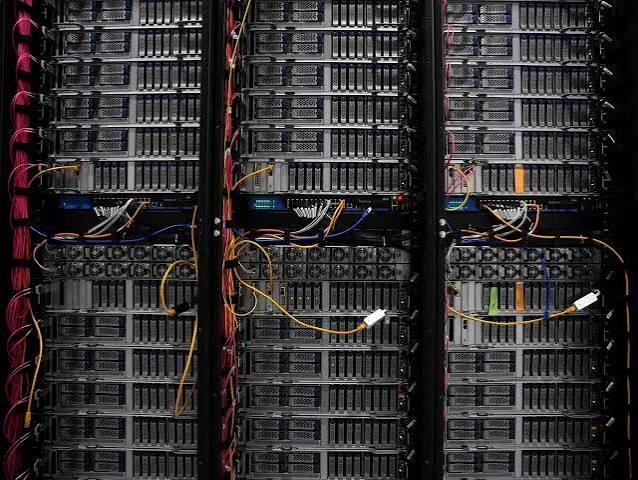

Rapid Digitalisation, AI Adoption and Cloud Computing Expected to Drive Strong Growth in India’s Data Centre Infrastructure
New Delhi (Economy India): India’s installed data centre capacity could nearly triple to around 5-6 gigawatts (GW) by 2030, driven by rapid digitalisation, growing cloud adoption, artificial intelligence (AI), and increasing demand for data-intensive services, according to market research and strategy consulting firm Redseer Strategy Consultants.
The projection highlights the growing importance of data centre infrastructure in India’s digital economy. As businesses, governments and consumers increasingly depend on cloud platforms, digital services, online transactions and AI-powered applications, the requirement for high-capacity and reliable data infrastructure is expected to increase significantly over the coming years.
India’s Data Centre Capacity Set for Significant Expansion
India has emerged as one of the fastest-growing markets for digital infrastructure in the Asia-Pacific region. The country’s expanding internet user base, growing enterprise digitisation and increasing adoption of cloud-based services are creating sustained demand for data storage and processing capacity.
According to Redseer, India’s installed data centre capacity could reach approximately 5-6 GW by 2030, representing almost three times the existing capacity.

The expected expansion reflects the country’s transition towards a more data-driven economy, where large volumes of information need to be stored, processed and accessed in real time.
AI Emerging as a Major Driver
One of the biggest factors expected to influence data centre demand over the next few years is the rapid development and adoption of artificial intelligence.
AI applications require significant computing power because they process and analyse massive datasets. Training and operating advanced AI models can require specialised computing infrastructure, including high-performance processors and accelerated computing systems.
As Indian businesses increasingly integrate AI into areas such as financial services, healthcare, manufacturing, retail, customer service and software development, demand for data centre capacity is expected to rise.
The growth of generative AI is also increasing the need for infrastructure capable of handling intensive computing workloads.

Cloud Adoption Supporting Data Centre Growth
The continued migration of businesses to cloud platforms is another key factor supporting India’s data centre expansion.
Companies are increasingly shifting applications, databases and IT infrastructure from traditional on-premise systems to cloud environments. This allows businesses to scale computing resources, improve flexibility and reduce the need to maintain extensive physical IT infrastructure themselves.
As cloud adoption expands among large enterprises as well as small and medium-sized businesses, data centre operators are expected to see increasing demand for capacity.
Digitalisation Boosting Infrastructure Requirements
India’s rapid digital transformation has created a substantial increase in data generation.
Digital payments, e-commerce, social media, online entertainment, digital government services and connected devices are generating enormous volumes of data every day.
The expansion of 5G networks and increasing smartphone penetration are expected to further accelerate data consumption.
More data generation ultimately requires greater storage, processing and networking capacity, creating a direct link between digital adoption and demand for data centre infrastructure.
Why Data Centres Are Strategically Important
Data centres are increasingly becoming a critical component of the modern economy.
They provide the physical infrastructure required to host servers, cloud platforms, applications, databases and digital services. Financial institutions, technology companies, e-commerce platforms, telecom operators and government agencies all rely on data centre infrastructure.
A robust data centre ecosystem is therefore important not only for businesses but also for national digital infrastructure.
For India, expanding domestic data centre capacity can help support the country’s broader ambitions to become a major digital economy and technology hub.
Investment Opportunities in the Sector
The expected growth in data centre capacity is likely to create opportunities across multiple segments of the infrastructure ecosystem.
These include:
- Data centre development and operations
- Power generation and transmission
- Renewable energy procurement
- Cooling systems
- Power backup and storage
- Networking equipment
- Servers and computing infrastructure
- Cybersecurity
- Construction and engineering services
Data centres are highly energy-intensive facilities, making reliable and cost-effective power supply one of the most important requirements for the industry.
Rising Importance of Renewable Energy
As data centre capacity expands, energy consumption will also increase. This is likely to make renewable energy increasingly important for operators seeking to control costs and meet sustainability objectives.
Solar and wind power, along with battery storage and other clean-energy solutions, could play a greater role in supplying electricity to data centres.
India’s push towards renewable energy could therefore create synergies between the clean-energy sector and digital infrastructure.
Challenges Ahead
Despite the strong growth potential, expanding India’s data centre capacity will also require addressing several challenges.
Power Availability
Data centres require uninterrupted electricity. Any disruption can affect critical digital services. Ensuring reliable and affordable power supply will therefore remain a major priority.
Land and Infrastructure
Large-scale data centres require suitable land, high-quality connectivity and supporting infrastructure. Availability of appropriate locations can influence development timelines and costs.
Cooling Requirements
Data centres generate substantial heat and require sophisticated cooling systems. Managing energy consumption associated with cooling will be important for both operational efficiency and sustainability.
High Capital Requirements
Building modern data centres involves significant upfront investment in buildings, servers, electrical systems, cooling equipment and security infrastructure.
Skilled Workforce
The industry also requires specialised professionals in areas such as data centre operations, electrical engineering, networking, cybersecurity and facility management.
Regional Data Centre Hubs
India’s major metropolitan regions are emerging as important data centre markets because of their connectivity, enterprise demand and access to infrastructure.
Cities such as Mumbai, Delhi-NCR, Bengaluru, Chennai and Hyderabad have attracted significant interest from data centre developers.
Going forward, the industry could also expand into emerging locations as operators seek access to reliable power, land, connectivity and lower operating costs.
Policy Support Could Accelerate Growth
Government initiatives promoting digitalisation, cloud computing, electronics manufacturing and data localisation are expected to support the development of India’s digital infrastructure.
The country’s growing focus on data security and domestic digital infrastructure could further encourage companies to establish data processing and storage facilities within India.
Policy clarity, infrastructure development and ease of doing business will remain important factors in attracting long-term investment into the sector.
Data Centres and India’s Digital Economy
The projected increase in data centre capacity is closely connected with India’s broader economic transformation.
From digital banking and payments to online education, healthcare, entertainment and e-commerce, a growing share of economic activity is being conducted through digital platforms.
AI is expected to further deepen this transformation.
As companies deploy AI-powered applications and increasingly rely on large-scale computing, data centres will become an even more important part of India’s economic infrastructure.
What the 2030 Outlook Means
The possibility of India’s installed data centre capacity reaching 5-6 GW by 2030 reflects the scale of the country’s digital opportunity.
The sector is moving beyond being a specialised IT infrastructure segment and is increasingly becoming a core part of the national infrastructure ecosystem.
The expansion could support job creation, attract foreign and domestic investment and strengthen India’s position in the global digital economy.
At the same time, the industry will need to address energy consumption, sustainability, water usage, cybersecurity and infrastructure constraints to ensure that growth remains efficient and environmentally responsible.
(Economy India)