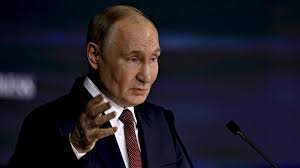
Former President defends tariff regime amid legal scrutiny and global trade tensions
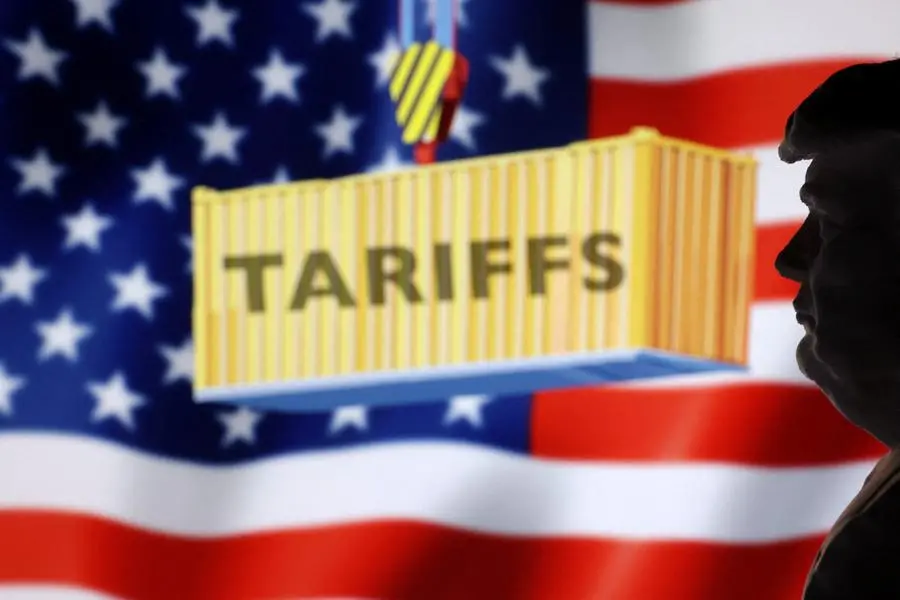
New York | Economy India | Former US President Donald Trump has claimed that the United States will receive more than USD 600 billion in tariff revenues, asserting that his aggressive trade policy has made the country financially stronger and more secure from a national security standpoint.
In a post on his social media platform Truth Social, Trump said the tariff collections underscore the effectiveness of protectionist trade measures imposed on countries around the world, even as such policies face legal and political scrutiny within the US.
“We have taken in, and will soon be receiving, more than 600 Billion Dollars in Tariffs,” Trump wrote, accusing the mainstream media of downplaying the figure to influence an upcoming judicial decision related to tariffs.
US Will Receive Over USD 600 Billion in Tariffs, Claims Trump; Says America Stronger Financially and Strategically
Tariffs as a Cornerstone of Trump’s Economic Policy
During his presidency, Trump positioned tariffs as a central pillar of his “America First” economic strategy, imposing sweeping duties on imports from China, the European Union, Canada, Mexico, and other trading partners.
The measures were aimed at:
ADVERTISEMENT
Reducing the US trade deficit
Protecting domestic manufacturing
Forcing renegotiation of trade agreements
Addressing national security concerns linked to supply chains
Trump repeatedly argued that tariffs were paid by foreign exporters, a claim that has been contested by economists who note that higher import costs are often passed on to US consumers and businesses.
Supreme Court Decision Looms Large
Trump’s comments come at a time when the US Supreme Court is expected to consider a key case related to tariff authority, potentially examining the scope of executive powers to impose levies under existing trade and national security laws.
While Trump did not elaborate on the specific case, legal experts say future rulings could have far-reaching implications for:
Presidential trade powers
Use of national security justifications for tariffs
Stability of long-term tariff regimes
Trump described the pending decision as “one of the most important ever” for the Supreme Court, suggesting that its outcome could shape the future of US trade policy.
Financial and Strategic Claims Under Scrutiny
Trump asserted that the tariff regime has made the US:
Financially stronger, through increased government revenues
More respected globally, due to tougher trade negotiations
Safer strategically, by reducing reliance on foreign supply chains
However, independent assessments by trade economists present a more nuanced picture. Studies by US and international institutions have found that:
Tariffs increased costs for US manufacturers and consumers
Retaliatory tariffs hurt US agricultural and export sectors
Supply chains were disrupted, leading to inflationary pressures
Despite these concerns, Trump continues to maintain that tariffs are a net positive and a necessary tool to counter what he describes as unfair global trade practices.
US Will Receive Over USD 600 Billion in Tariffs, Claims Trump; Says America Stronger Financially and Strategically
Global Implications and Trade Relations
The tariff-driven trade confrontations initiated during Trump’s tenure reshaped global trade dynamics, particularly:
The US–China trade relationship
WTO dispute settlement mechanisms
Global supply chain diversification
Several countries responded with counter-tariffs, while others sought alternative markets and trade alliances. Analysts note that Trump’s renewed emphasis on tariffs signals potential volatility in global trade if similar policies are revived or expanded.
Impact on Emerging Economies
For emerging economies such as India, higher US tariffs and protectionist measures can have mixed effects:
Potential opportunities due to supply chain shifts away from China
Risks of increased trade barriers in sensitive sectors
Greater uncertainty in global demand and investment flows
Trade experts say any renewed tariff escalation by the US would require careful diplomatic and economic calibration by exporting nations.
Political Context Ahead of Key Decisions
Trump’s remarks are also viewed through the lens of domestic US politics, as trade and economic nationalism remain core themes among his political base.
By highlighting tariff revenues and framing them as a national success, Trump appears to be reinforcing his narrative that strong trade barriers are essential for:
Economic sovereignty
Industrial revival
Strategic independence
While Donald Trump’s claim of over USD 600 billion in tariff revenues underscores his continued defence of protectionist trade policies, the broader economic impact of tariffs remains contested. As the US Supreme Court weighs critical questions on tariff authority and global trade conditions remain fragile, the future direction of US trade policy will be closely watched by governments, markets, and businesses worldwide.
Economy India is one of the largest media on the Indian economy. It provides updates on economy, business and corporates and allied affairs of the Indian economy. It features news, views, interviews, articles on various subject matters related to the economy and business world.