NEW DELHI | Jan 29 — India has recorded a notable reduction in poverty levels, with the fastest rise in consumption observed among the bottom 5–10 per cent of the population, according to the Economic Survey tabled in Parliament on Thursday. The findings underline the impact of targeted welfare interventions and improved income distribution over recent years.
The Survey noted that government-led social protection measures, including subsidies, pensions, direct benefit transfers (DBT) and increased public spending on health and education, have played a decisive role in improving the economic well-being of vulnerable sections.

Targeted Welfare Driving Inclusive Growth
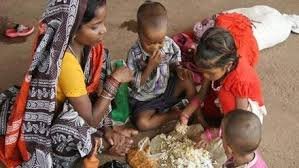
According to the Economic Survey, focused welfare delivery mechanisms have ensured that benefits reach intended beneficiaries, resulting in measurable improvements in household consumption patterns, especially among the poorest segments.
“The sharpest growth in consumption expenditure has been recorded among the lowest income deciles, indicating a structural improvement in economic inclusion,” the Survey observed.
The government’s approach of combining fiscal support with digital delivery systems has reduced leakages and enhanced efficiency, enabling poorer households to move out of deprivation.

Income Distribution Shows Signs of Improvement
The Survey highlighted that income distribution has become more equitable, reflecting the cumulative impact of reforms in welfare delivery, employment generation, and rural support programs. Schemes linked to food security, housing, sanitation, healthcare access, and income support have helped stabilise consumption even amid global economic uncertainty.
Economists view rising consumption at the bottom of the income pyramid as a strong indicator of sustainable growth, as it boosts domestic demand and strengthens economic resilience.
Role of Social Infrastructure Spending
Public investment in education and healthcare has also contributed to long-term poverty reduction by enhancing human capital formation. Improved access to essential services has reduced out-of-pocket expenditure for low-income households, freeing up resources for other consumption needs.
The Survey emphasised that human-centric policymaking, coupled with macroeconomic stability, has enabled inclusive growth without compromising fiscal discipline.
Outlook
With domestic demand remaining a key growth engine, policymakers believe that continued focus on last-mile delivery, employment creation, and social infrastructure will further consolidate gains in poverty reduction and income equality.
The findings come at a crucial time, ahead of the Union Budget, as expectations rise for sustained welfare spending alongside growth-oriented reforms.