
New Delhi | Economy India Analysis
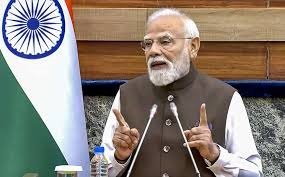
Prime Minister Narendra Modi’s assertion that India’s recent trade agreements with the European Union and the United States have enhanced global confidence reflects a deeper strategic shift in the country’s economic diplomacy. Coming at a time when the world economy is navigating post-pandemic disruptions, geopolitical tensions and supply-chain realignments, India is positioning itself as a pillar of stability in a rapidly changing global order.

Landmark Trade Deals Reshape India’s Global Standing
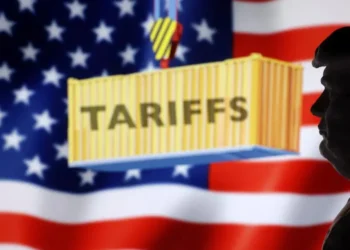
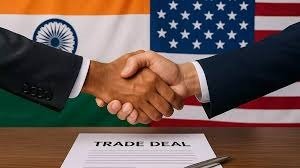
India’s free trade agreement with the 27-nation European Union, described by the Prime Minister as the “mother of all deals,” creates a combined market of nearly two billion people. Within days, a separate trade agreement with the United States further strengthened India’s international economic engagement, including significant tariff reductions on Indian exports.
These back-to-back agreements have signalled to global investors and governments that India is willing to undertake ambitious, future-ready trade reforms, moving beyond protectionism while safeguarding domestic interests.
Stability in an Uncertain Global Economy
The Prime Minister highlighted that the world has faced prolonged instability following the COVID-19 pandemic, compounded by geopolitical conflicts and inflationary pressures. In this context, India’s ability to conclude major trade deals with two of the world’s largest economic blocs underscores its growing role as a reliable and predictable partner.
Policy experts note that such agreements reduce uncertainty around market access, tariffs and regulatory frameworks—key factors influencing long-term capital flows and multinational investment decisions.
Implications for Trade, Investment and Manufacturing
The EU and US trade deals are expected to boost exports, manufacturing competitiveness and supply-chain integration. Sectors such as automobiles, pharmaceuticals, textiles, engineering goods, renewable energy and digital services stand to gain from improved market access and lower trade barriers.
For global corporations seeking alternatives to concentrated supply chains, India’s expanding network of trade agreements strengthens its appeal as a manufacturing and export base, aligning with the government’s push for “Made in India” and “Made in Bharat.”
New World Order and India’s Strategic Moment
Prime Minister Modi’s reference to a “new world order” reflects a broader geopolitical reality: economic alliances are increasingly shaped by trust, resilience and shared strategic interests. India’s growing influence in forums such as the G20, Quad and BRICS, combined with its trade outreach, places it at the centre of evolving global economic arrangements.
Analysts suggest that India’s balanced engagement with both Western economies and emerging markets enhances its diplomatic leverage while reducing overdependence on any single bloc.
Reform Narrative Strengthens Credibility
Beyond trade, the Prime Minister pointed to domestic reforms that have improved India’s macroeconomic fundamentals. Lower non-performing assets in the banking sector, stronger public sector enterprise performance, and consolidation of banks have improved financial stability—key considerations for foreign investors.
India’s progress in frontier sectors such as space, green hydrogen, artificial intelligence and rare earth materials further reinforces its long-term growth narrative.
Political Messaging and Economic Confidence
While the Prime Minister’s remarks were delivered amid political exchanges in Parliament, the economic message was clear: India intends to move forward without hesitation towards its goal of becoming a developed nation by 2047.
As more countries express interest in signing trade agreements with India, the success of these deals will depend on effective implementation, regulatory clarity and continued reform momentum.
Outlook: Opportunity with Responsibility
India’s recent trade diplomacy has created a window of opportunity to attract investment, deepen exports and integrate more closely with global value chains. However, sustaining global confidence will require consistent policy execution, quality-focused manufacturing and inclusive growth.
If managed well, these trade agreements could become foundational pillars in India’s journey towards Viksit Bharat, strengthening both economic resilience and global leadership in the decades ahead.
(Economy India)