New Delhi (Economy India): India’s labour-intensive export sectors—including apparel, footwear, plastics, rubber, organic chemicals and home décor—are set to receive a significant boost in the US market following a reduction in tariffs under the India–US interim trade pact, government sources said on Saturday.
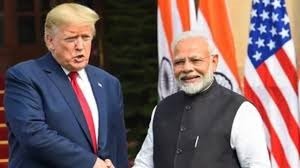
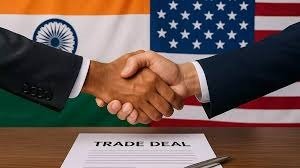
The development comes after India and the United States announced that they have reached a framework for the first phase of a bilateral trade agreement, aimed at reducing import duties on a wide range of goods and strengthening two-way trade.
Tariff Reduction to Improve Export Competitiveness
According to a joint statement, the United States will reduce tariffs on several Indian goods to 18 per cent, easing market access for Indian exporters.
Crucially, the US has also removed the punitive 25 per cent additional duty imposed earlier on Indian products. The remaining 25 per cent reciprocal tariffs are expected to be reduced to 18 per cent in the near term, officials said.
This move is expected to substantially improve the price competitiveness of Indian exports in the US, one of the world’s largest consumer markets.
Big Gains for Labour-Intensive Sectors
The tariff relief is likely to benefit sectors that are highly employment-intensive, including:
- Apparel and garments
- Footwear
- Plastics and rubber products
- Organic chemicals
- Home décor and handicrafts
These industries employ millions of workers, particularly in MSMEs and export-oriented clusters across India.
Industry experts say the reduced tariff burden could help Indian manufacturers expand market share, secure long-term sourcing contracts from US buyers, and attract fresh investments into capacity expansion.

Strengthening Make in India and MSMEs
The trade pact is expected to align closely with India’s Make in India and export-led growth strategy, encouraging value-added manufacturing rather than raw material exports.
Officials said MSMEs, which form the backbone of these labour-intensive sectors, stand to gain significantly due to improved access to the US market and better price realisation.
The agreement is also likely to support job creation, particularly for women and young workers, given the workforce composition of sectors such as textiles, footwear and home décor.
Supply Chain Diversification Opportunity
The tariff reduction comes at a time when global companies are actively diversifying supply chains away from excessive dependence on a single geography. India’s improved tariff position could help it emerge as a preferred sourcing destination for US importers seeking reliability and scale.
Analysts believe the pact could accelerate India’s integration into global value chains, especially in consumer goods, chemicals and light manufacturing.
Broader Impact on India–US Trade Relations
The interim trade agreement is seen as a stepping stone toward a more comprehensive bilateral trade deal between India and the US. Both countries aim to boost trade volumes, strengthen investment flows, and build resilient and trusted supply chains.
Government officials said the tariff reductions will not only boost exports but also help stabilise trade relations and reduce uncertainty for businesses operating across borders.
The India–US interim trade pact marks a significant opportunity for India’s export-oriented and labour-intensive sectors. By lowering tariffs and removing punitive duties, the agreement could drive export growth, job creation and deeper integration with the US market.
If implemented effectively, the pact may play a key role in positioning India as a global manufacturing and export hub, while strengthening one of its most important strategic economic partnerships.
(Economy India)