
Landmark CEPA grants near-total duty-free access for Indian exports, promises job creation, MSME growth, easier visas for professionals, and deeper India–Oman trade and strategic ties
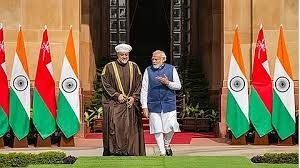
New Delhi (Economy India): India has taken a decisive step toward expanding its global trade footprint by signing a landmark Comprehensive Economic Partnership Agreement (CEPA) with Oman. The agreement is expected to significantly enhance bilateral trade, investment and services cooperation, while delivering direct economic benefits to Indian exporters, professionals, MSMEs and workers.
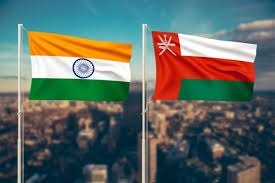
Under the CEPA, 98.08% of India’s tariff lines will receive zero-duty access into Oman, effectively covering 99.38% of India’s export value. This makes the deal one of India’s most comprehensive and export-friendly trade agreements in the Gulf region and a critical pillar of New Delhi’s strategy to diversify trade amid rising protectionism in Western markets.
The agreement comes at a time when India faces challenges from US tariff measures and the European Union’s Carbon Border Adjustment Mechanism (CBAM), prompting policymakers to accelerate trade partnerships with trusted and strategically aligned economies.

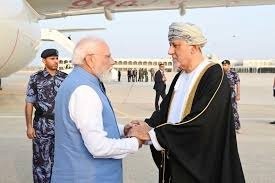
India–Oman Trade: A Growing Economic Corridor
India–Oman bilateral trade reached $10.613 billion (approximately ₹95,700 crore) in FY25, reflecting steady growth across energy, manufacturing, services and consumer goods. With the signing of CEPA, trade officials expect volumes to expand sharply over the next five to seven years as tariffs, regulatory barriers and market-entry constraints are dismantled.
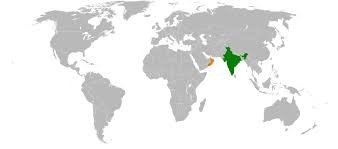
Oman occupies a strategic position at the crossroads of Asia, Africa and Europe, making it a natural logistics and trade partner for India’s westward economic expansion. The CEPA is also aligned with India’s broader “Act West” and export-led growth strategy.
What the CEPA Means for the Indian Economy and Citizens
Unlike conventional trade agreements that largely benefit large corporations, the India–Oman CEPA is expected to have broad-based economic impact, extending benefits to small businesses, workers and professionals.
Job Creation and Income Growth
Labour-intensive sectors such as:
- Textiles and garments
- Footwear and leather
- Gems and jewellery
- Agriculture and food processing
- Handicrafts and engineering goods
are expected to see a surge in exports. This will translate into higher employment, particularly for rural artisans, women workers and MSMEs, strengthening income levels at the grassroots.
Easier Mobility for Indian Professionals and Workers
One of the most significant aspects of the CEPA is its strong focus on services and professional mobility. Indian doctors, engineers, IT professionals, consultants and skilled workers will benefit from:
- Easier visa procedures
- Improved residency and stay provisions
- Greater market access in Oman
This is expected to increase overseas employment opportunities, boost remittances and provide long-term income stability for Indian families.
Healthcare, AYUSH and Medical Tourism Get a Push
The CEPA opens new doors for India’s healthcare and wellness ecosystem, including:
- AYUSH
- Yoga and traditional medicine
- Medical services and diagnostics
Indian doctors, wellness practitioners and healthcare entrepreneurs are expected to gain access to a growing Omani market, while medical tourism flows between the two countries could see a significant rise.
MSMEs and Start-ups: A Major Beneficiary
The agreement is particularly significant for Micro, Small and Medium Enterprises (MSMEs). With simplified trade rules and improved market access, Indian MSMEs will find it easier to export to Oman and participate in cross-border value chains.
In services, the CEPA allows 100% Foreign Direct Investment (FDI) in several sectors, encouraging:
- New investments
- Joint ventures
- Technology and skill transfer
This is expected to generate employment at the local level and strengthen India’s start-up and innovation ecosystem.
Near-Total Duty-Free Access for Indian Exports
A standout feature of the agreement is Oman’s commitment to provide zero-duty access on 98.08% of tariff lines, covering almost the entire value of Indian exports.
Sectors expected to benefit include:
- Textiles and apparel
- Leather and footwear
- Gems and jewellery
- Engineering and industrial goods
- Plastics and furniture
- Agricultural and food products
- Pharmaceuticals and medical devices
- Automobiles and auto components
This near-complete duty elimination dramatically enhances the competitiveness of Indian products in the Omani market.
Sensitive Sectors Protected by India
While opening its market, India has also safeguarded domestic interests. Tariff concessions have been extended on 77.79% of tariff lines, covering 94.81% of Oman’s exports, but sensitive sectors have been excluded, including:
- Dairy products
- Chocolates
- Gold and silver
- Jewellery
- Footwear
This ensures that Indian farmers and MSMEs are shielded from unfair competition and import surges.
Services Trade: A Game-Changer
For the first time, Oman has made commitments across 127 services sub-sectors, including:
- Computer and IT services
- Business and professional services
- Education
- Healthcare
- Research and Development (R&D)
Indian companies will enjoy full ownership rights in key services sectors, while professionals will benefit from enhanced regulatory clarity and mobility frameworks.
Government View: A Watershed Moment
Commerce and Industry Minister Piyush Goyal described the CEPA as a “watershed moment in the centuries-old friendship between India and Oman.” He said the agreement will unlock unprecedented opportunities for Indian exporters and professionals while supporting Oman’s Vision 2040 economic diversification agenda.
Expert Perspective: Big Opportunity, Smart Execution Needed
Ajay Srivastava, Founder of the Global Trade Research Initiative (GTRI), said that eliminating tariffs will significantly improve the competitiveness of Indian industrial exports. However, he cautioned that Oman remains a relatively small market with a population of around 5 million and a GDP of approximately ₹10.40 lakh crore.
“To fully capitalise on the CEPA, Indian companies must focus on quality upgradation, branding and product diversification,” he said, adding that with nearly 6,000 joint ventures, the agreement will strengthen India’s geopolitical and economic presence in the Middle East.
Strategic and Geopolitical Significance
Beyond trade numbers, the India–Oman CEPA carries strong strategic implications. It strengthens India’s engagement in the Gulf, improves supply chain resilience, and reinforces New Delhi’s role as a reliable economic partner in the Indian Ocean region.
The agreement also positions India favourably as global trade realigns toward trusted partnerships and regional resilience.
A Trade Deal with Long-Term Impact
The India–Oman CEPA is more than a commercial agreement—it is a strategic economic framework that promises duty-free exports, job creation, services expansion and deeper bilateral trust.
As implementation unfolds, its real success will be measured in rising exports, stronger MSMEs, increased professional mobility and a more resilient Indian economy.
Economy India will continue to track the sector-wise impact, policy execution and long-term implications of the India–Oman CEPA as it reshapes India’s trade and economic diplomacy.
(Economy India)