Trade Disputes Escalate as U.S. Challenges India’s Import Policies
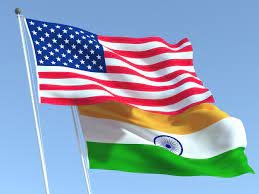
New Delhi (Economy India): The United States has raised concerns over India’s high import tariffs and non-tariff barriers, alleging that these policies create challenges for American businesses exporting to India. According to a recent report by the United States Trade Representative (USTR), India imposes excessive duties on agricultural products, pharmaceuticals, and alcoholic beverages, making it difficult for U.S. businesses to compete in the Indian market.
The report comes just days before April 2, 2025, when reciprocal tariffs are set to take effect between the two countries, potentially further straining trade relations.
India’s Import Tariffs Among the Highest in Major Economies
According to the 2025 National Trade Estimate Report published by USTR, India’s Most-Favored-Nation (MFN) tariff rate averages 17%, which is one of the highest among major global economies.
Key Highlights from the Report
🔹 Non-agricultural products face an average tariff of 13.55%, while agricultural goods have an even higher average duty of 39%. 🔹 High tariffs on processed food, dairy, alcoholic beverages, and certain pharmaceutical products have made U.S. exports to India less competitive. 🔹 India has also been accused of frequently changing tariff rates without prior notice, creating uncertainty for international businesses.
ADVERTISEMENT
The report states that these high tariffs hinder free trade and increase costs for Indian consumers, limiting access to competitive global products.
Non-Tariff Barriers: Another Challenge for U.S. Businesses
In addition to high tariffs, the USTR report highlights several non-tariff barriers (NTBs) that allegedly restrict U.S. exports to India.
Licensing Requirements and Regulatory Hurdles
Certain imported goods, such as animal fat-based products and specific agricultural items, require special import licenses, making it difficult for businesses to enter the Indian market.
Several products, including telecom equipment and select electronic goods, require government approvals, which can delay imports.
Restrictions on Dairy and Agricultural Products
India strictly regulates dairy imports, requiring proof that milk-producing animals are not fed with animal-derived feed. This rule prevents U.S. dairy products from entering India, as American livestock feed often contains such ingredients.
Import quotas and price controls on essential food commodities, such as wheat and rice, limit the flexibility of global suppliers.
Pharmaceutical and Medical Equipment Barriers
The report criticizes India’s price controls on essential drugs and medical devices, arguing that they reduce profitability for foreign pharmaceutical companies.
Delayed patent approvals and complex regulatory compliance rules further discourage U.S. drug manufacturers.
U.S. Calls for Fairer Trade Practices
The U.S. government is urging India to reform its import policies to ensure a more open and competitive market. The USTR has recommended that:
✅ India should reduce import duties on key American products, including agriculture, medical equipment, and alcoholic beverages. ✅ India should increase transparency in tariff changes and streamline regulatory approval processes for imports. ✅ Non-tariff barriers such as licensing requirements and market entry restrictions should be eased to encourage fair competition.
The U.S. has indicated it may escalate trade disputes to the World Trade Organization (WTO) if India does not take corrective action.
India’s Stand: Protecting Domestic Industries
The Indian government has defended its import policies, stating that:
🔹 High tariffs are essential to protect domestic farmers and industries from excessive foreign competition. 🔹 Price controls on pharmaceuticals and medical devices ensure that essential medicines remain affordable for Indian citizens. 🔹 Regulations on dairy and food imports align with health and safety standards set by Indian authorities.
A senior Indian trade official stated:
“India’s import policies are designed to safeguard national interests. We are open to trade discussions but will not compromise on measures that protect Indian consumers and industries.”
Economy India Largest Media on Indian Economy & Business
Impact on India-U.S. Trade Relations
India and the U.S. are major trade partners, with bilateral trade crossing $190 billion in 2024. However, ongoing tariff disputes and non-tariff barriers have led to trade tensions.
🔸 Sectors affected by India’s import restrictions include agriculture, dairy, pharmaceuticals, and electronics. 🔸 American companies may look for alternative markets if India remains rigid on tariffs and regulations. 🔸 Indian exporters could face retaliatory tariffs from the U.S., impacting industries such as textiles, auto parts, and IT services.
As the April 2 reciprocal tariff deadline approaches, global investors and businesses will closely watch how both governments navigate these trade disputes.
Economy India is one of the largest media on the Indian economy. It provides updates on economy, business and corporates and allied affairs of the Indian economy. It features news, views, interviews, articles on various subject matters related to the economy and business world.