
Dublin (Economy India): China’s economic presence in Africa has expanded rapidly over the past two decades, transforming the continent’s infrastructure landscape and reshaping its development strategies.
From large-scale mining projects to railways, oilfields, and industrial zones, Chinese-backed investments have increasingly become key components of national development plans across several African nations.
Massive Financial Support for Infrastructure
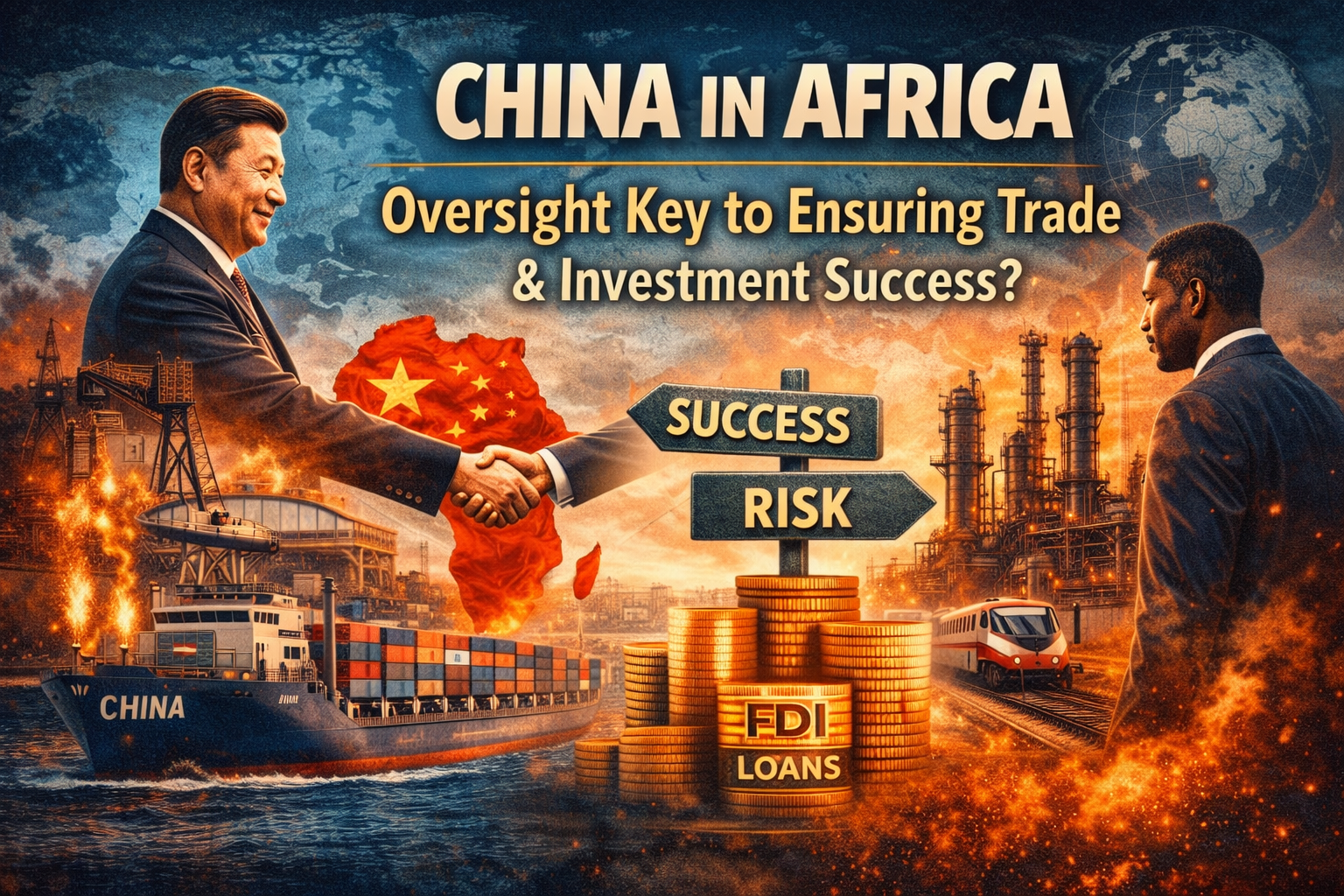
According to estimates, China has extended more than USD 181 billion in infrastructure loans to African countries and invested approximately USD 50 billion in foreign direct investment (FDI) across sectors such as transportation, energy, mining, and manufacturing.
Much of this investment has been facilitated through partnerships with Chinese state-owned enterprises and initiatives associated with Belt and Road Initiative, China’s global infrastructure development strategy.

These projects have helped build highways, ports, railways, and energy facilities that many African governments consider essential for economic growth.
Opportunities and Risks in the China–Africa Relationship
The growing engagement between China and African countries has sparked global debate. Some observers see it as a major opportunity for development, while others warn about risks such as debt dependency, governance challenges, and environmental impacts.
Experts say the outcome of these partnerships largely depends on the strength of oversight, transparency, and regulatory frameworks in host countries.
Where governance structures are strong, Chinese investments have contributed to improved infrastructure, job creation, and increased trade.
However, where regulatory oversight is weak, projects have sometimes faced problems including cost overruns, environmental concerns, and limited local economic benefits.
Importance of Governance and Transparency
Analysts emphasize that African governments play a critical role in determining whether foreign investment translates into sustainable development.
Effective project monitoring, transparent procurement processes, and clear environmental regulations can help ensure that large infrastructure projects deliver long-term economic benefits.
Conversely, insufficient oversight can lead to inefficient spending, rising public debt, and limited technology transfer.
Balancing Development and Sovereignty
The debate surrounding China’s presence in Africa is often framed in two contrasting ways: as a potential threat to national sovereignty or as a valuable development opportunity.
In reality, experts argue that the outcome depends less on China itself and more on how African governments negotiate and manage investment agreements.
When supported by strong institutions and accountability mechanisms, China’s financing and construction capabilities can play a significant role in accelerating development across the continent.
(Economy India)