
Relief for EV, electronics and auto sector as supply resumes after months-long disruption
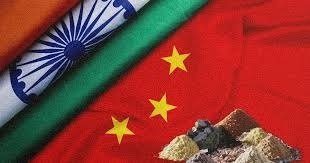
New Delhi (Economy India): China has started granting export licences for Rare Earth Magnets (REMs) to Indian companies and foreign firms operating in India, easing supply concerns for the country’s automobile, electronics, and EV industries. According to government officials, the Chinese Ministry of Commerce has initiated the approval process after months of stalled exports due to tightened regulations.
The move marks the first major breakthrough since China imposed strict export controls earlier this year, impacting global supply chains and raising concerns among Indian manufacturers.
Who Is Receiving Licences?
Export approvals have reportedly been issued to a mix of domestic and multinational companies, including:
- Jay Ushin
- Continental AG’s Indian units
- Component suppliers to Mahindra & Maruti Suzuki
- Honda two-wheeler supply partners
Officials emphasised that the process is still gradual, but the initiation of clearances has brought “significant relief” to the industry.
Why Rare Earth Magnets Matter
Rare Earth Magnets are critical components in key sectors, especially:
- Electric Vehicles (EV motors)
- Electronics and semiconductor devices
- Medical equipment
- Defence systems
- Aerospace and robotics
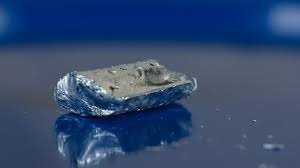
Materials like Neodymium, Dysprosium, and Terbium are used to build compact, high-performance permanent magnet motors — crucial for improving EV efficiency, range, and power delivery. Even internal combustion engine (ICE) vehicles use these materials in catalytic converters, sensors, and advanced vehicle systems.
China’s Global Dominance in Rare Earth Supply
| Category | China’s Share |
|---|---|
| Global Mining Output | ~70% |
| Global Processing & Production | ~90% |
In April, Beijing restricted exports of rare earth materials as trade tensions with the United States escalated. Shipments for magnets used in cars, drones, robotics, and missile systems were halted at ports, impacting global defence and technology supply chains.
Under new licensing rules, Chinese exporters must guarantee that materials will not be used for defence or dual-use applications — making approvals slower and more complex.
Impact on India’s Manufacturing Sector
The supply freeze sparked concern among Indian EV and electronics manufacturers. Automakers warned that delays could:
- Disrupt production schedules
- Slow EV rollout plans
- Increase dependence on alternative markets
- Raise manufacturing costs
Industry sources confirm that the resumed licensing process will help normalise supply — though at a controlled pace.
Diplomatic Talks Helped Break the Deadlock
The breakthrough follows six months of diplomatic engagement between New Delhi and Beijing. During Chinese Foreign Minister Wang Yi’s visit to India in June, External Affairs Minister S. Jaishankar sought easing of export controls to protect India’s industrial pipeline.
The Indian government highlighted that continued restrictions could derail the country’s EV manufacturing targets under the “Make in India” and Viksit Bharat 2047 roadmap.
Economy India Analysis
China’s move signals cautious economic cooperation amid ongoing geopolitical friction. For India, the restart of REM supplies:
- Protects its EV localisation strategy
- Supports semiconductor-linked industries
- Reduces immediate supply chain vulnerabilities
However, the situation reinforces a long-term need for:
- Indigenous rare earth processing
- Diversified sourcing beyond China
- Strategic mineral partnerships with Australia, Africa, and Latin America
(Economy India)