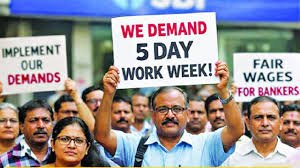

As banks like RBL Bank expand physical networks, the sector faces a defining question—are branches still relevant in the age of digital banking?
Mumbai (Economy India): India’s banking sector is undergoing a profound transformation. On one hand, digital banking is rapidly reshaping customer behavior, reducing reliance on physical infrastructure. On the other, traditional branch expansion continues, as seen in recent announcements by RBL Bank to add 200 branches in FY27.
This dual trend reflects a deeper structural reality: India’s banking ecosystem is not transitioning from physical to digital—it is evolving into a hybrid model, where both channels coexist and complement each other.
The Rise of Digital Banking in India
Over the past decade, India has emerged as one of the world’s leading digital banking markets.

UPI Revolution
The rise of the National Payments Corporation of India has transformed payments through UPI:
- Instant transactions
- Zero or low cost
- Massive adoption across urban and rural India
Smartphone Penetration
- Increased internet access
- Affordable smartphones
- Expansion of mobile banking apps
Government Push
- Digital India initiatives
- Financial inclusion programs
- Direct Benefit Transfers (DBT)
Impact on Banking
Digital banking has enabled:
- Faster transactions
- Lower operational costs
- Wider reach without physical presence
Why Physical Branches Still Matter
Despite digital growth, branches remain a critical part of the banking ecosystem.
Trust and Human Interaction
For many customers, especially in semi-urban and rural areas:
- Face-to-face interaction builds trust
- Complex services require human assistance

Financial Inclusion
Branches play a key role in:
- Reaching unbanked populations
- Supporting first-time users
- Facilitating credit access
High-Value Transactions
Customers prefer branches for:
- Loan processing
- Wealth management
- Large financial decisions
The Case for Branch Expansion
Banks like RBL Bank continue to invest in branch networks for strategic reasons.
Deposit Mobilisation
Branches are crucial for:
- Attracting low-cost deposits
- Building long-term customer relationships
Regional Penetration
Expanding into states like Kerala allows banks to:
- Tap into remittance flows
- Access diaspora-linked business
Brand Visibility
Physical presence enhances:
- Customer confidence
- Market credibility
The Digital Advantage: Efficiency and Scale
Digital banking offers clear advantages:
Cost Efficiency
- Lower operational costs
- Reduced dependency on physical infrastructure
Scalability
- Rapid customer acquisition
- Nationwide reach without expansion costs
Data-Driven Insights
- Personalized services
- Better risk assessment
Challenges in Digital-Only Banking
Despite its advantages, digital banking faces limitations:
Digital Divide
- Limited internet access in rural areas
- Low digital literacy
Cybersecurity Risks
- Fraud and data breaches
- Need for strong security systems
Customer Trust Issues
- Hesitation among older customers
- Preference for physical verification
The Hybrid Model: India’s Unique Path
India is not moving toward a purely digital or physical system—it is adopting a hybrid approach.
Phygital Banking
Combination of:
- Physical branches
- Digital platforms
Omni-Channel Experience
Customers can:
- Start a process online
- Complete it at a branch
Strategic Integration
Banks are integrating:
- Mobile apps
- Branch services
- Customer support
Competitive Landscape
Private Sector Banks
- Aggressive digital adoption
- Selective branch expansion
Public Sector Banks
- Strong branch networks
- Gradual digital transformation
Fintech Companies
- Fully digital
- Focus on payments and lending
Economic and Policy Implications
Financial Inclusion
Hybrid banking ensures:
- Wider access
- Inclusive growth
Employment Generation
Branch expansion creates:
- Jobs in banking
- Local economic activity
Regulatory Balance
Authorities must:
- Promote innovation
- Ensure stability
Future Trends in Banking
Digital Acceleration
- AI-driven banking
- Automation
- Personalised services
Smart Branches
- Smaller, tech-enabled branches
- Focus on advisory services
Collaboration with Fintech
- Partnerships for innovation
- Enhanced customer experience
Economy India Insight
The debate between branch expansion and digital banking is not about choosing one over the other.
👉 It is about optimising both for maximum impact
India’s banking future lies in:
- Digital efficiency
- Physical trust
- Integrated services
The expansion plans of RBL Bank highlight a crucial reality—branches are far from obsolete.
Instead, they are evolving to complement digital platforms in a hybrid ecosystem.
As India’s economy grows and financial inclusion deepens, banks that successfully balance technology and physical presence will be best positioned to lead the next phase of growth.
(Economy India)