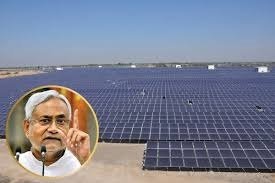

185 MW solar plant with 254 MWh battery storage goes live in Lakhisarai, boosting state’s renewable energy capacity
NEW DELHI (Economy India): In a significant milestone for Bihar’s renewable energy ambitions, the first phase of the ₹2,800 crore Kajra Solar Power Project has been officially commissioned, according to an official statement on Tuesday.
The state government is developing this large-scale solar power project in Lakhisarai district to increase the share of clean and sustainable energy in Bihar’s overall energy mix, reduce carbon emissions, and strengthen grid reliability.
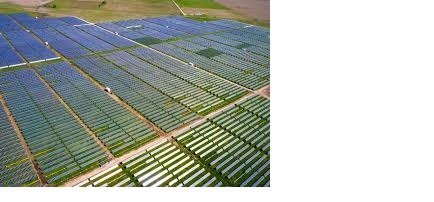
First Phase: Solar + Storage Commissioned
The initial phase of the project, built at an investment of ₹1,810 crore, consists of:
- 185 MW Solar Power Plant
- 254 MWh Battery Energy Storage System (BESS)
The integration of battery storage with solar generation is designed to enhance grid stability by storing excess solar output during daytime and supplying power during peak evening hours or grid stress periods.

Officials said the commissioning marks a step toward energy transition with a focus on reliability, sustainability, and economic competitiveness.
Project Overview: Kajra Solar Park
| Component | Details |
|---|---|
| Total project cost | ₹2,800 crore (approx.) |
| Phase-I cost | ₹1,810 crore |
| Solar capacity | 185 MW |
| Battery storage | 254 MWh |
| Location | Lakhisarai district, Bihar |
| Implementing agency | Bihar Renewable Energy Development (State Government) |
The remaining phases of the project are expected to incrementally add more capacity, further reinforcing Bihar’s renewable generation portfolio and supporting peak demand requirements.

Strategic Importance for Bihar
Bihar has traditionally relied on a mix of fossil fuel-based generation and power imports from other states. The Kajra Solar Project is seen as:
- A renewable energy backbone for the state
- A mechanism to reduce dependency on coal and costlier power sources
- A contributor to lowering emissions and meeting climate goals
- A catalyst for job creation and local infrastructure development
Officials noted that integrating storage with solar generation will improve power quality and supply predictability, which is crucial for industrial and commercial demand.
Energy Transition & Policy Context
The commissioning comes against the backdrop of India’s broader renewable energy targets under the National Solar Mission and the commitment to achieve net-zero carbon emissions by 2070.
Bihar has ramped up its efforts to attract investment in green energy through incentives and state-level policies that support:
- Solar and wind power development
- Rooftop and distributed generation
- Energy storage solutions
- Green hydrogen pilot projects
State energy planners have indicated that Bihar aims to scale its solar capacity to over 1 GW in the coming years across public and private initiatives.

Economic and Environmental Impact
Analysts say the project is expected to deliver multiple benefits:
1. Reduced Power Costs
Solar power with storage reduces reliance on purchased power during peak periods, stabilizing tariffs for utilities and consumers.
2. Jobs and Local Development
Construction, operations, and ancillary services are estimated to create employment opportunities in Lakhisarai and surrounding districts.
3. Emissions Reduction
Replacing fossil fuel generation with solar reduces greenhouse gas emissions and aligns with India’s climate commitments.
4. Grid Stability
BESS supports frequency regulation and peak load management, minimizing outages and enhancing reliability.
Official Statements
A senior official associated with the project commented:
“The commissioning of the first phase of the Kajra Solar Project is a decisive step in Bihar’s energy transition. With battery storage, solar power becomes a reliable and sustainable option for meeting both day and evening demand.”
The state government reaffirmed its commitment to deploying clean energy projects that offer scalable and economically viable power solutions for industries and citizens alike.
Looking Ahead
The subsequent phases of the Kajra Solar Project will continue to add capacity and storage capabilities, reinforcing Bihar’s renewable infrastructure. State authorities have also indicated plans to explore hybrid renewable systems and partnerships with private investors to accelerate clean energy deployment.
With the commissioned phase now online, Bihar moves closer to enhancing energy security, supporting climate action, and promoting sustainable growth.
(Economy India)