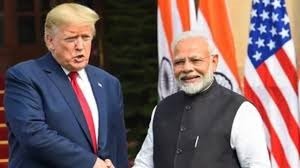

New Delhi (Economy India): In a rapidly evolving geopolitical landscape marked by rising tensions in West Asia, a crucial telephonic conversation between Prime Minister Narendra Modi and U.S. President Donald Trump has brought renewed global attention to the fragile state of energy security, international trade routes, and diplomatic stability.
At the heart of the discussion was the escalating crisis in West Asia and the strategic importance of keeping the Strait of Hormuz open—one of the most critical maritime corridors for global energy supply.
This comprehensive analysis explores the geopolitical, economic, and strategic implications of the Modi–Trump dialogue, India’s diplomatic positioning, and the broader global impact of the crisis.
The West Asia Conflict: Background and Escalation
The current crisis began on February 28, 2026, when tensions between Iran and Western powers escalated into a broader regional confrontation. The situation intensified following Iran’s move to effectively block or restrict passage through the Strait of Hormuz, citing security concerns and retaliation against external pressures.
This narrow maritime passage, located between the Persian Gulf and the Gulf of Oman, is responsible for transporting nearly one-fifth of the world’s oil and liquefied natural gas (LNG).
Historically, disruptions in this region have had immediate and severe consequences for global markets. The present situation is no exception.
Key Triggers of the Crisis
- Rising geopolitical friction between Iran and the United States
- Military posturing in the Gulf region
- Sanctions and economic pressures on Iran
- Strategic signaling through maritime disruption
The crisis has drawn in multiple stakeholders, including Gulf Cooperation Council (GCC) nations, Israel, and global powers dependent on energy imports.
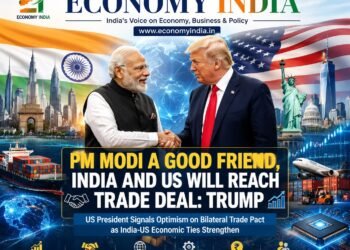
The Modi–Trump Conversation: Strategic Significance
The phone call between Modi and Trump is significant for several reasons:
First High-Level Engagement Since Crisis Began
This was the first direct communication between the two leaders since the outbreak of hostilities, indicating the seriousness of the situation.
Shared Concerns Over Energy Security
Both leaders emphasized the necessity of keeping the Strait of Hormuz open, secure, and accessible.
Diplomatic Coordination
The call signals alignment between India and the United States on key global concerns, even as India maintains strategic autonomy.
Prime Minister Modi stated:
“India supports de-escalation and restoration of peace at the earliest.”
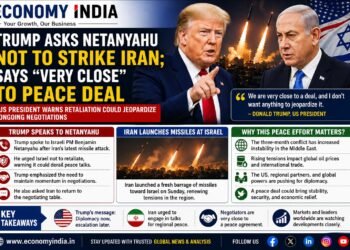
Meanwhile, President Trump highlighted ongoing diplomatic efforts, including extending a deadline for Iran to reopen the Strait, suggesting a preference for negotiation over immediate military escalation.
Why the Strait of Hormuz Matters to the World
The Strait of Hormuz is often described as the “lifeline of global energy.”
Key Facts:
- Handles ~20% of global oil supply
- Critical route for LNG exports, especially from Qatar
- Connects major oil-producing nations to global markets
Global Implications of Disruption
- Immediate spike in crude oil prices
- Supply chain disruptions
- Increased shipping insurance costs
- Market volatility across sectors
For emerging economies like India, the stakes are particularly high.
India’s Energy Security at Risk
India is one of the world’s largest importers of crude oil, with a significant portion sourced from West Asia.
Dependence on the Region
- Over 60% of India’s crude oil imports come from West Asia
- Major suppliers include Iraq, Saudi Arabia, UAE, and Kuwait
- LNG imports also heavily reliant on Gulf nations
Potential Economic Impact
If the Strait remains blocked or unstable:
- Fuel prices in India could rise sharply
- Inflationary pressures may increase
- Fiscal deficit could widen
- Rupee may face depreciation pressure
The ripple effects would extend to transportation, manufacturing, agriculture, and household consumption.
Lessons from the Russia–Ukraine Conflict
The current situation draws parallels with the Russia-Ukraine conflict, which disrupted global energy and food systems.
Key Learnings:
- Overdependence on specific regions is risky
- Energy shocks translate into food insecurity
- Global supply chains are highly interconnected
During the Russia–Ukraine war:
- Oil and gas prices surged globally
- Wheat and fertiliser supplies were disrupted
- Developing nations faced severe inflation
Experts warn that a similar scenario could unfold if the West Asia conflict escalates.
India’s Diplomatic Outreach: A Multi-Vector Approach
India has undertaken an extensive diplomatic initiative to engage all key stakeholders.
High-Level Engagements by PM Modi
- Iranian leadership
- GCC nations: Saudi Arabia, UAE, Qatar, Oman, Bahrain, Kuwait
- Israeli Prime Minister Benjamin Netanyahu
Role of External Affairs Ministry
External Affairs Minister S. Jaishankar has actively engaged with counterparts across the region.
India’s Diplomatic Principles
- Dialogue over confrontation
- Strategic neutrality
- Protection of national interests
- Support for global stability
This balanced approach allows India to maintain relations with competing powers simultaneously.
The US Strategy: Pressure with Diplomacy
President Trump’s decision to extend the deadline for Iran reflects a calibrated approach.
Key Elements of US Strategy:
- Diplomatic engagement with Iran
- Threat of targeted strikes on energy infrastructure
- Coordination with allies
- Economic pressure through sanctions
Trump’s statement about “productive conversations” suggests that back-channel negotiations may be underway.
However, the risk of escalation remains high if diplomatic efforts fail.
Impact on Global Oil and Gas Markets
The immediate impact of the crisis has been a surge in oil and gas prices.
Market Reactions:
- Crude oil prices have spiked
- LNG prices have increased due to supply concerns
- Stock markets show volatility
Sectoral Impact
- Aviation: Higher fuel costs
- Logistics: Increased transportation expenses
- Manufacturing: Rising input costs
- Agriculture: Fertiliser prices may rise
India, being a price-sensitive economy, is particularly vulnerable to such fluctuations.
Food and Fertiliser Security: The Hidden Risk
Beyond energy, the crisis threatens global food and fertiliser supply chains.
Why It Matters
- Fertilisers are heavily dependent on natural gas
- Disruptions could impact agricultural output
- Developing nations may face food shortages
India, while relatively self-sufficient in food production, relies on fertiliser imports to sustain agricultural productivity.
A prolonged conflict could lead to:
- Rising food prices
- Pressure on rural economy
- Increased government subsidies
Maritime Security and India’s Naval Preparedness
India has taken proactive steps to secure its maritime interests.
Indian Navy’s Role
- Escorting Indian-flagged vessels
- Monitoring high-risk zones
- Coordinating with international maritime forces
Strategic Importance
The Indian Navy’s presence ensures:
- Safe passage for trade
- Protection of Indian citizens and assets
- Confidence among global shipping partners
India’s Strategic Autonomy: No Military Involvement
Despite strong diplomatic engagement, India has made it clear that it will not participate militarily in the conflict.
Reasons:
- Avoid escalation
- Maintain neutrality
- Focus on economic priorities
India’s approach reflects its long-standing foreign policy doctrine of strategic autonomy.
Global Geopolitical Implications
The West Asia crisis could reshape global geopolitics.
Possible Outcomes:
- Realignment of global alliances
- Increased role of regional powers
- Greater emphasis on energy diversification
Countries may accelerate:
- Renewable energy investments
- Alternative trade routes
- Strategic reserves
The Role of GCC Nations
The Gulf Cooperation Council (GCC) countries are central to the crisis.
Their Position:
- Advocate for stability
- Ensure continued oil exports
- Balance relations with global powers
India’s strong ties with GCC nations provide it with diplomatic leverage.
Economic Outlook for India
Short-Term Risks
- Inflation spike
- Trade imbalance
- Currency volatility
Long-Term Opportunities
- Diversification of energy sources
- Boost to renewable energy sector
- Strengthening strategic reserves
India may also explore:
- Increased domestic production
- Strategic partnerships with alternative suppliers
The Road Ahead: Diplomacy vs Escalation
The coming days will be crucial in determining the trajectory of the crisis.
Best-Case Scenario
- Iran reopens the Strait
- Diplomatic resolution achieved
- Markets stabilize
Worst-Case Scenario
- Military escalation
- Prolonged disruption of oil supplies
- Global economic slowdown
Economy India Insight: A Defining Moment for Global Stability
The Modi–Trump conversation reflects more than just bilateral engagement—it represents a broader global effort to prevent a crisis from spiraling out of control.
India’s role as a bridge between competing powers positions it uniquely in this situation.
Key Takeaways:
- Energy security is central to global stability
- Diplomacy remains the most viable path
- India’s balanced approach is strategically significant
As tensions in West Asia continue to rise, the importance of maintaining open communication channels and prioritizing diplomacy cannot be overstated. The engagement between Narendra Modi and Donald Trump highlights the urgency of collective action to ensure peace, stability, and economic continuity.
For India, the stakes are high—but so is its capacity to navigate complex geopolitical challenges with prudence and foresight.
The world now watches closely as diplomacy races against time to prevent another global crisis
(Economy India)