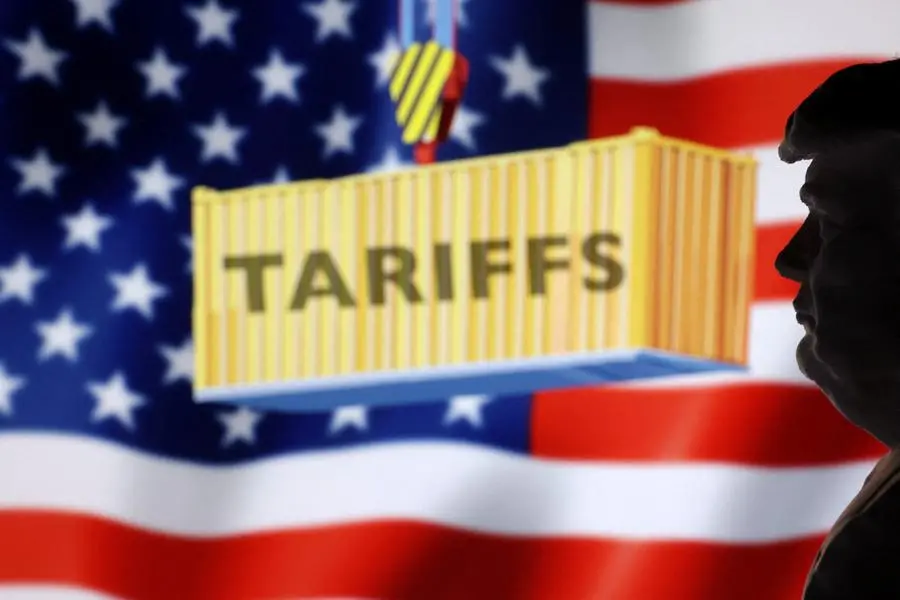

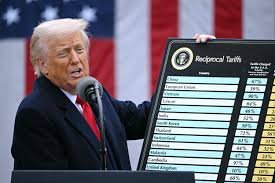
Washington | Economy India | Democratic lawmakers in the United States have intensified pressure on the Trump administration, demanding the refund of nearly $175 billion in import tariffs that were allegedly collected illegally. The demand follows a significant ruling by the Supreme Court of the United States, which held that the tariffs were imposed through unlawful executive orders issued by former President Donald Trump.
The issue has now moved to the political arena, with three senior Democratic senators preparing to introduce legislation in the US Senate to initiate the refund process.
Democratic Senators Move Bill in US Senate
Senators Ron Wyden, Ed Markey, and Jeanne Shaheen are set to table a bill that would mandate the refund of tariffs collected under what the court termed illegal authority.
The proposed legislation requires the US Customs and Border Protection to complete the refund process within 180 days, along with interest payments on the refunded amount.

Priority for Small Businesses, Push to Pass Benefits to Consumers
A key feature of the bill is its focus on small businesses and manufacturers, which Democratic lawmakers say have borne the brunt of abrupt and unpredictable tariff policies. The bill proposes:
- Priority refunds for small businesses
- Incentives for importers, wholesalers, and large corporations to pass refunds on to customers
- Measures to simplify what is expected to be a complex refund process
Senator Wyden said the tariffs had already inflicted long-term damage on American households, manufacturers, and small enterprises.
“The most important and first step toward fixing this damage is to ensure that small businesses and manufacturers get their refunds as quickly as possible,” Wyden said.
Political Signal Despite Low Passage Probability
While analysts believe the bill has limited chances of becoming law, it is being seen as a strong political signal. The move indicates that Democratic lawmakers have begun mounting public pressure on the Trump administration over its trade policies and their economic consequences.
Senator Shaheen said compensation for the damage caused by the tariffs is only possible if the administration returns the money that Americans were “forced to pay.”
Senator Markey highlighted that small businesses operate with minimal financial buffers, adding that the refund mechanism itself could become “extremely difficult and time-consuming” without government support.
Trump Administration Cites Legal Constraints
The Trump administration has maintained that its hands are tied, arguing that initiating refunds while court proceedings are still underway could interfere with the judicial process.
However, the issue gained renewed momentum after the Supreme Court ruled 6–3 last Friday that tariffs imposed under the International Emergency Economic Powers Act (IEEPA), 1977 were not legally valid. The court clarified that the law does not grant the US president authority to levy import taxes.
Billions Collected, Consumers May Miss Out
According to official data, US customs authorities had collected about $133 billion in tariffs under IEEPA-linked orders by December. Trade experts note that while importers may eventually receive refunds, it is unlikely that ordinary consumers will see direct benefits.
This is because companies had largely passed on the higher tariff burden to consumers through price increases, making retrospective relief difficult.
Economy India Insight
The episode highlights deeper concerns around executive overreach, trade governance, and consumer welfare in major economies. For global markets, including India, the case underscores how sudden trade policy shifts can disrupt supply chains, raise costs, and create long-lasting economic distortions—even years after the policies are reversed.
As political pressure mounts in Washington, the final outcome will be closely watched by businesses, investors, and trading partners worldwide.
(Economy India)