
From Safe-Haven Asset to Strategic Industrial Metal, Silver Emerges as One of the Best-Performing Commodities
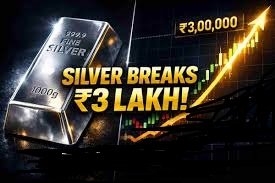
New Delhi (Economy India): Silver has entered a historic phase in global and domestic commodity markets. On January 19, silver prices in India crossed ₹3 lakh per kilogram for the first time, marking a watershed moment for investors and traders alike. Over the past one year, the metal has delivered more than 200% returns, with prices rising by over ₹2 lakh per kg, firmly positioning silver among the best-performing asset classes of the period.
Once considered the “poor cousin of gold,” silver is now commanding attention as a strategic metal at the intersection of investment demand, industrial growth, and the global energy transition. Analysts believe the rally may not be over yet, with several projections placing silver prices at ₹3.5–₹4 lakh per kg over the medium term, provided current demand trends remain intact.
A Historic Rally: How Silver Reached ₹3 Lakh Per Kg
The surge in silver prices has not been sudden but the result of multiple structural and cyclical factors coming together.
Just a year ago, silver was trading well below ₹1 lakh per kg. Since then:
- Prices have more than tripled
- Investor participation has expanded sharply
- Industrial consumption has accelerated globally
This rally reflects a broader shift in how markets perceive silver — not just as a precious metal, but as a critical input for future-facing industries.
Key Drivers Behind the Silver Boom
1. Industrial Demand at the Core
Unlike gold, silver enjoys dual demand, combining investment appeal with heavy industrial usage.
Silver is indispensable in:
- Solar panels and renewable energy systems
- Electric vehicles (EVs) and charging infrastructure
- Electronics, semiconductors, and circuit boards
- Medical equipment due to its antibacterial properties
The global push toward clean energy and electrification has dramatically increased silver consumption. Solar energy alone accounts for a rapidly growing share of total silver demand, and this trend is expected to intensify over the next decade.
2. Supply Constraints Add Fuel
While demand is rising, global silver supply remains tight.
- Limited new mining projects
- Declining ore grades in existing mines
- Rising production costs
These factors have constrained supply growth, creating a structural imbalance in the silver market. Experts warn that even modest increases in demand can now lead to outsized price movements.
3. Inflation Hedge and Safe-Haven Appeal
In an environment marked by:
- Persistent global inflation
- Geopolitical tensions
- Currency volatility
Silver has re-emerged as a store of value. Investors looking beyond traditional assets like equities and bonds have increased allocations to precious metals, with silver benefiting disproportionately due to its lower base price and higher volatility.
4. Growing Investor Participation
Retail and institutional investors alike are increasing exposure to silver through:
- Futures and options
- Physical bullion
- Silver Exchange Traded Funds (ETFs)
In India, rising awareness and ease of access via ETFs have played a key role in broadening participation beyond traditional bullion buyers.
Why Silver ETFs Are Gaining Popularity in India
As silver prices soar, Silver ETFs have emerged as the preferred investment vehicle for a new generation of investors.
What Is a Silver ETF?
A Silver ETF is an exchange-traded fund whose value tracks the market price of silver. Each unit is backed by 99.9% pure physical silver, securely stored by the fund house.
- Traded on NSE and BSE
- Bought and sold like equity shares
- Held electronically in a demat account
Crucially, investors gain exposure to silver without owning physical metal.
Low Entry Barrier: Invest with Just a Few Hundred Rupees
One of the biggest advantages of Silver ETFs is accessibility.
- One ETF unit typically costs ₹150–₹300
- Investors can start with as little as ₹300
- SIP options allow disciplined, staggered investing
This makes Silver ETFs suitable for:
- Small investors
- First-time commodity investors
- Long-term portfolio diversifiers
Physical Silver vs Silver ETF: A Clear Comparison
Physical Silver
Pros
- Tangible asset
- Traditional store of value
Cons
- Storage and locker costs
- Risk of theft
- Purity concerns
- Making charges and liquidity issues
Silver ETF
Pros
- No storage or security worries
- High liquidity
- Transparent pricing
- Cost-efficient
Cons
- Subject to market volatility
- Small tracking error possible
For most investors, especially urban and digital-first investors, Silver ETFs offer a cleaner, safer, and more efficient option.
Risks Investors Must Not Ignore
Despite its strong performance, silver is not a low-risk asset.
Key risks include:
- High price volatility, sharper than gold
- Dependence on industrial cycles
- Sensitivity to global cues such as:
- US dollar strength
- Interest rate movements
- Global economic growth
Financial advisors caution investors against chasing rallies blindly and recommend disciplined allocation.
How to Choose the Right Silver ETF
Before investing, investors should evaluate:
- Fund house credibility
- Expense ratio (lower is better)
- Tracking error, indicating how closely the ETF follows silver prices
- Liquidity and trading volume
A well-managed ETF ensures that returns closely mirror actual silver price movements.
Portfolio Strategy: How Much Silver Is Enough?
Most experts recommend:
- Allocating 5–10% of the portfolio to silver and other commodities
- Using SIP or staggered buying to manage volatility
- Maintaining a long-term horizon of 3–5 years
Silver should ideally act as a diversifier, not the core of an investment portfolio.
Can Silver Touch ₹4 Lakh?
Market analysts remain cautiously optimistic.
Supporting factors:
- Continued renewable energy expansion
- Sustained industrial demand
- Limited supply growth
However, short-term corrections are likely after such a sharp rally. Long-term fundamentals, though, remain strong.
Silver crossing the ₹3 lakh per kg milestone marks more than just a price achievement. It reflects a structural shift in global demand, driven by technology, sustainability, and changing investment behavior.
For Indian investors, Silver ETFs provide a modern, efficient, and affordable gateway to participate in this powerful trend. While volatility cannot be ignored, disciplined investing, prudent allocation, and a long-term perspective can help investors harness silver’s growing strategic importance.
(Economy India)