
Global Trade & Geopolitics
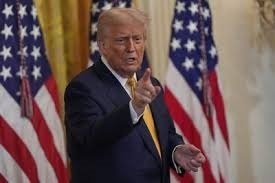
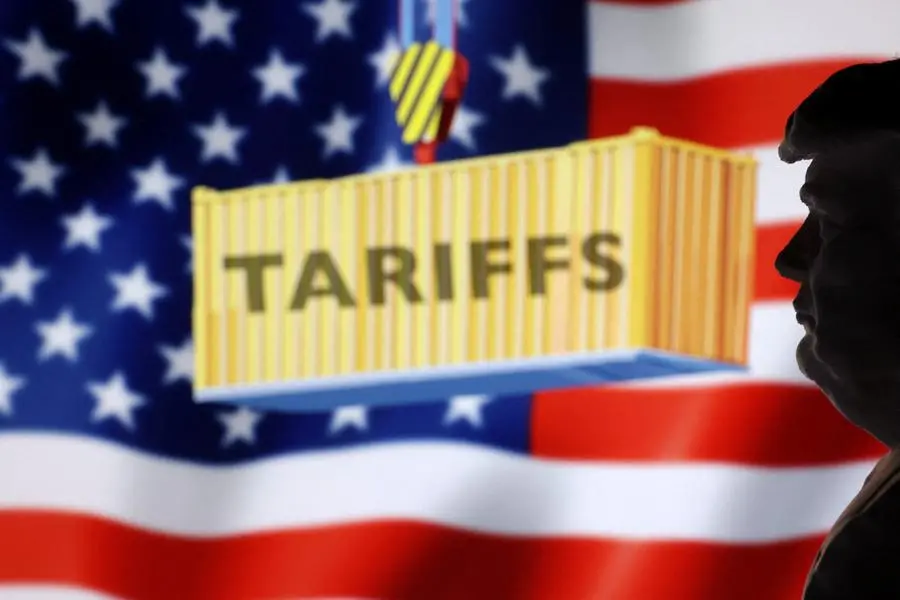
Washington DC / New York | Economy India | In a sharp escalation of transatlantic trade tensions, US President Donald Trump has announced a 10% import tariff on goods from eight European countries, linking the punitive move directly to their opposition to American ambitions over Greenland. The tariffs, scheduled to take effect from February 1, could rise further to 25% from June 1 if no agreement is reached, Trump warned.
The countries targeted under the new tariff regime include Denmark, Norway, Sweden, France, Germany, the United Kingdom, the Netherlands, and Finland. The announcement marks one of the most overt instances in which trade policy has been explicitly weaponised to pursue strategic and geopolitical objectives rather than purely economic goals.
Greenland at the Heart of the Dispute
At the centre of the confrontation lies Greenland, an autonomous territory of Denmark and the world’s largest island, which Trump has repeatedly described as “strategically indispensable” for the United States.
In a series of social media posts and remarks at the White House, Trump reiterated his long-standing position that Greenland must come under direct American control, arguing that the territory is vital for:
- US national security
- Arctic dominance
- Missile defence architecture
- Countering Chinese and Russian influence
“We have subsidised Europe for decades with free trade, defence guarantees, and security umbrellas,” Trump wrote. “Now, when world peace is at stake, it is time for Denmark and its allies to give something back.”
Trump added that failure to reach a deal on Greenland would result in a steep tariff escalation to 25% from June, a move that could severely disrupt European exports to the US.
‘Golden Dome’ Missile Defence and Arctic Strategy
The US President also linked Greenland to the proposed ‘Golden Dome’ missile defence project, a large-scale strategic initiative inspired by Israel’s Iron Dome but envisioned on a continental scale.
According to Trump:
- Greenland offers an ideal geographic location for early-warning radar systems
- Arctic positioning would enhance interception capabilities against missiles from China and Russia
- NATO’s current Arctic posture is “grossly inadequate”
Trump claimed that Greenland currently has “virtually no meaningful defence infrastructure,” adding controversially that “only the United States has the capacity to secure it effectively.”
Tariffs as a Strategic Lever, Not Trade Remedy
Unlike conventional trade disputes, the Trump administration has not specified which categories of goods will be subject to the tariffs, suggesting the measure is designed as a broad pressure tool rather than a sector-specific correction.
Trade analysts warn that the uncertainty itself could:
- Disrupt supply chains
- Delay contracts and shipments
- Trigger market volatility in Europe–US trade corridors
Key sectors likely to be affected include:
- Automobiles and auto components
- Machinery and industrial equipment
- Pharmaceuticals
- Chemicals
- Luxury goods and consumer products
Germany, France, and the UK, which together account for a significant share of EU exports to the US, are expected to face the biggest economic impact.
Europe Pushes Back, But Official Response Awaited
As of now, no official joint response has been issued by the European Union or the affected countries, though diplomatic sources indicate emergency consultations are underway in Brussels and key European capitals.
Denmark, which retains sovereignty over Greenland, has historically rejected any notion of sale or transfer, emphasising that:
- Greenland’s future lies with its people
- Any status change must follow democratic processes
- Arctic security should be addressed multilaterally
European officials are also reportedly concerned that conceding under tariff pressure could set a dangerous precedent in global diplomacy.
Implications for Global Trade and WTO Norms
Trump’s move is likely to rekindle debates around:
- The erosion of WTO-based trade norms
- The increasing use of tariffs as geopolitical tools
- The fragmentation of global trade governance
Experts note that such actions could:
- Encourage retaliatory tariffs
- Accelerate trade bloc formation
- Undermine long-standing US–EU economic partnerships
The transatlantic trade relationship, valued at over $1 trillion annually, has historically been one of the world’s most stable. This episode, however, signals a shift toward transactional diplomacy.
Strategic Significance of Greenland in a Multipolar World
Greenland’s importance has grown sharply due to:
- Melting Arctic ice opening new shipping routes
- Untapped reserves of rare earth minerals
- Proximity to North America and Eurasia
- Military surveillance advantages
China has already shown interest through infrastructure investments and research stations, while Russia has significantly expanded its Arctic military footprint. The US sees control or influence over Greenland as critical to maintaining strategic balance in the High North.
Market Reaction and Business Uncertainty
Early market reactions suggest:
- European exporters are reassessing US exposure
- Currency markets are factoring in higher trade risk premiums
- Multinational firms may delay investment decisions
If tariffs rise to 25%, analysts warn of:
- Reduced EU exports to the US
- Higher inflationary pressures for American consumers
- Increased legal disputes at international trade forums
What Lies Ahead
With the February 1 deadline approaching, the coming weeks are expected to see:
- Intense diplomatic negotiations
- Potential EU countermeasures
- Increased volatility in global markets
Whether the standoff results in compromise or confrontation will have far-reaching implications not only for US–EU relations, but for the future of trade diplomacy itself.
President Trump’s decision to impose tariffs on eight European nations over Greenland represents a dramatic convergence of trade policy, security strategy, and geopolitical leverage. By tying economic access to strategic compliance, Washington has signalled a tougher, more unilateral approach to global leadership.
As Europe weighs its response and markets brace for fallout, the episode underscores a broader reality: in the evolving world order, trade is no longer just about economics—it is about power, influence, and strategic control.
(Econom y India)