ROCKHAMPTON | Dec 29 | Economy India International Desk
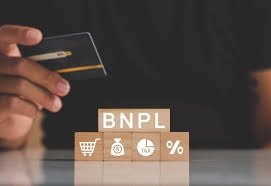
Australia’s holiday season spending surge is now turning into a financial burden for thousands of households, as overdue credit card bills and Buy Now, Pay Later (BNPL) instalments begin to pile up. After Christmas purchases, personal credit and charge-card balances accruing interest touched a four-year high of A$18.4 billion in September — even before Black Friday and year-end shopping cycles peaked.
According to a survey commissioned by the Australian Securities and Investments Commission (ASIC), nearly half of Australian adults with existing debt struggled to make repayments in the last 12 months. Officials say the trend indicates a growing household liquidity crisis and a rise in short-term borrowing dependency.

Holiday Purchases Now Turning Into Debt Pressure
Festive expenses, including gift shopping, grocery bills, and travel bookings, have contributed to a sudden spike in repayment stress. Financial planners note that consumers increasingly depend on staggered payment services, especially BNPL platforms such as Afterpay, Zip, Klarna, and LatitudePay.
“Households are not just facing high costs — they are facing delayed costs. The bill is now arriving,” a financial advisor said.
BNPL Usage Adds To Risk, Say Experts
BNPL platforms have expanded rapidly during the holiday shopping period due to easy onboarding, zero-interest marketing, and flexible instalments. However, consumer rights specialists warn that late fees and platform penalties can escalate quickly, especially if dues remain unpaid for multiple billing cycles.
| Concern Area | Impact on Consumers |
|---|---|
| Multiple BNPL accounts | Hidden debt stacking |
| Late fee penalties | Faster overdue accumulation |
| No central reporting | Creditworthiness becomes unclear |
Experts suggest that while BNPL reduces immediate financial pressure, it increases repayment exposure by January and February.
Financial Counsellors Recommend Priority-Based Repayment
Economy India’s review of advisory inputs shows a similar repayment roadmap being recommended nationwide:
- Pay overdue BNPL instalments first – prevents penalty accumulation
- Target high-interest credit cards next – prevents compounding interest
- Avoid new borrowing until existing dues stabilise
- Contact lenders early for hardship/relief adjustments
Many lenders are offering temporary restructuring options for first-time defaulters, including interest reduction and EMI relief.

Why the Trend Matters for 2025
Economic observers believe the repayment cycle in January–March will determine household consumption patterns for the first quarter of 2025. A prolonged repayment burden could reduce discretionary spending and increase reliance on non-bank financing products.
“Debt is now dictating financial behaviour. If households pause spending to repay dues, retail consumption weakens,” a retail economist told Economy India.
Key Indicators (September–December 2024)
| Segment | Current Situation |
|---|---|
| Credit card interest balances | A$18.4 billion (four-year high) |
| Repayment stress reporting | Nearly 50% of borrowers affected |
| BNPL overdue cases | Growing across all major platforms |
| Retail spending outlook | Moderation expected in Q1 2025 |
The post-festival debt scenario has shifted attention towards repayment discipline, budget correction, and financial awareness. As households begin the New Year, analysts say immediate prioritisation of dues is essential to prevent long-term repayment distress.
(Economy India)