
Conditional approval signals boost for coastal energy exploration in Krishna district
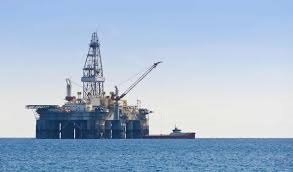
Amaravati (Economy India): The Andhra Pradesh government has issued a No Objection Certificate (NOC) to Vedanta Limited (Kerr-McGee Oil & Gas division) to drill 20 offshore oil and gas wells in the coastal stretch of Krishna district. The approval, conveyed through a recent government order, comes with stipulated conditions designed to ensure regulatory compliance and environmental safeguards.
According to official sources, Vedanta had approached the state authorities with an application seeking permission to expand energy exploration activities under the Deep Seabed Frontier (DSF) Policy, 2018. The DSF framework aims to incentivise offshore hydrocarbon exploration and infrastructure development along India’s coastal basins.
Government Order and Strategic Intent
In the order, Andhra Pradesh authorities cited the company’s request to undertake drilling operations in identified offshore blocks, as part of a strategic push to accelerate exploration in domestic energy resources. Vedanta’s proposed investment and technical capability were key factors in the NOC grant.
A senior state official said:

“The conditional NOC reflects the government’s intent to facilitate responsible hydrocarbon exploration while maintaining environmental and safety standards.”
Under the terms of the approval, Vedanta will be required to ensure that all statutory clearances — including environment, maritime safety, and coastal regulation compliance — are secured before commencement of drilling. The conditional NOC marks the first major administrative sanction for large-scale offshore drilling in the region since the rollout of the DSF 2018 regime.

About Vedanta’s Offshore Energy Plans
Vedanta Limited operates its oil and gas vertical through its Kerr-McGee division, with a focus on expanding production and tapping new hydrocarbon prospects along India’s eastern seaboard. The company’s initiative aligns with broader national objectives to enhance domestic energy output, reduce import dependence, and strengthen coastal energy infrastructure networks.
Industry analysts note that the Krishna offshore basin holds potential hydrocarbon reserves that could help diversify India’s energy portfolio. If successfully developed, these projects could contribute to local employment, ancillary services, and energy supply stability.
Deep Seabed Frontier (DSF) Policy — A Catalyst for Exploration
Introduced in 2018, the DSF Policy is designed to encourage investment in offshore exploration by offering enhanced contract terms, support mechanisms, and clearances facilitation for qualified operators. Under this regime, companies with proven technical capability can bid for exploration blocks and deploy modern offshore drilling technologies.
Vedanta’s move to leverage the DSF Policy reflects growing industry confidence in India’s offshore potential.
Economic and Regional Impact
The approval is expected to deliver several strategic advantages:
- Energy diversification: Broadens the base of domestic hydrocarbon production
- Employment generation: Creates opportunities in upstream and downstream sectors
- Tech adoption: Encourages deployment of advanced offshore drilling solutions
- Local investment: Spurs ancillary services and coastal infrastructure development
Officials said they will closely monitor project milestones, environmental safeguards, and community engagement as Vedanta advances its offshore agenda.
Economy India Analysis
The conditional NOC to Vedanta signals a renewed focus on unlocking India’s coastal energy reserves at a time when global energy markets remain volatile. By marrying policy incentives with responsible regulatory oversight, Andhra Pradesh could emerge as a critical hub for India’s offshore exploration ambitions.
As Vedanta progresses its drilling programme, stakeholders and energy observers will be watching for developments in production timelines, regulatory compliance, and potential commercial yields.
(Economy India)