
Banking & Financial Services
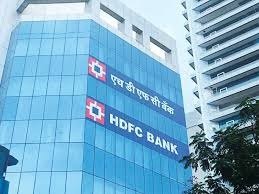
Mumbai | Economy India | India’s largest private sector lender HDFC Bank reported a 12.17 percent year-on-year increase in consolidated net profit for the December quarter (Q3 FY26), with earnings rising to ₹19,807 crore, underscoring the bank’s operational resilience despite a challenging macroeconomic and interest rate environment.
The Mumbai-headquartered bank had posted a consolidated net profit of ₹17,657 crore in the corresponding quarter last year, while profit in the preceding September quarter stood at ₹19,611 crore, according to the financial results announced on January 17.
The latest earnings reflect HDFC Bank’s ability to maintain growth momentum even as the banking sector navigates tight liquidity conditions, elevated funding costs, and moderation in credit growth following regulatory and macroeconomic adjustments.

Strong Profit Growth Despite Headwinds
The double-digit rise in quarterly profit highlights:
- Stable core banking performance
- Continued expansion in loan book and customer base
- Controlled operating expenses
- Strong risk management framework
Banking analysts say the numbers reinforce HDFC Bank’s position as a structurally strong lender with the balance sheet strength to absorb short-term pressures while sustaining long-term growth.
“The Q3 performance shows that HDFC Bank continues to deliver consistent profitability even in a phase of margin recalibration,” a senior banking analyst said.
Sequential Performance Shows Stability
On a quarter-on-quarter basis, consolidated net profit rose marginally from ₹19,611 crore in Q2 FY26 to ₹19,807 crore, reflecting stable earnings despite seasonal and liquidity-related pressures.
While sequential growth remained moderate, analysts view the performance as healthy, given:
- Higher deposit mobilisation costs
- Competitive pressure on lending rates
- Regulatory emphasis on balance sheet consolidation
The bank’s ability to hold profitability levels above ₹19,500 crore for a second consecutive quarter is being seen as a sign of operational stability.
Loan Growth and Credit Demand Trends
Although detailed segment-wise data is awaited, industry trends suggest that HDFC Bank continued to benefit from:
- Steady retail loan demand
- Gradual recovery in corporate credit
- Strong traction in secured lending segments
Retail loans, including housing, personal loans, auto loans, and credit cards, remain a key growth driver, while corporate lending has shown cautious but improving momentum amid rising private sector investment activity.
Margin Pressures and Cost of Funds
Like other major lenders, HDFC Bank has been operating in an environment of compressed net interest margins (NIMs) due to:
- Higher deposit rates
- Increased competition for retail deposits
- Elevated cost of funds following tighter monetary conditions
However, analysts note that the bank’s diversified deposit base and strong CASA franchise have helped cushion the impact compared to peers.
“The margin cycle is expected to stabilise in the coming quarters as deposit repricing normalises,” a market expert said.
Asset Quality Remains a Key Strength
HDFC Bank continues to be regarded as one of the best-in-class performers in asset quality among Indian banks.
Key positives include:
- Conservative lending practices
- Strong underwriting standards
- Robust collection mechanisms
While the broader banking sector has seen some stress in unsecured retail lending, HDFC Bank’s diversified portfolio and prudent provisioning policies have helped maintain balance sheet stability.
Post-Merger Consolidation Gains Traction
Following the merger with HDFC Ltd, the bank has been focusing on:
- Balance sheet harmonisation
- Optimisation of funding structure
- Gradual integration of systems and processes
The Q3 results suggest that the post-merger consolidation phase is progressing steadily, with profitability remaining intact even as integration-related adjustments continue.
Market participants expect further benefits from the merger to materialise over the medium term through:
- Improved cross-selling opportunities
- Better product diversification
- Enhanced customer lifetime value
Market Reaction and Investor Sentiment
HDFC Bank’s Q3 earnings are expected to support investor confidence, especially amid volatility in global and domestic financial markets.
Long-term investors continue to view the bank as:
- A core portfolio stock
- A proxy for India’s banking sector growth
- A stable compounder with strong governance standards
Brokerages are likely to closely track guidance on margins, deposit growth, and credit expansion in the coming quarters.
Cautious Optimism Ahead
Looking forward, analysts expect HDFC Bank to focus on:
- Strengthening deposit mobilisation
- Protecting margins amid competitive pressures
- Expanding high-quality loan growth
- Leveraging digital banking and analytics
With India’s economy expected to maintain a strong growth trajectory, supported by infrastructure spending and rising consumption, the medium-term outlook for large private sector banks remains constructive.
HDFC Bank’s 12.17 percent rise in consolidated net profit to ₹19,807 crore in Q3 FY26 reaffirms its position as one of India’s most resilient and consistently profitable lenders. Despite facing margin and liquidity challenges, the bank has demonstrated its ability to sustain earnings momentum while maintaining balance sheet strength.
As the integration benefits from the HDFC merger gradually unfold and macroeconomic conditions stabilise, HDFC Bank is well placed to remain a key driver of India’s financial sector growth in the years ahead.
(Economy India)