IFFCO MD K. J. Patel Leads High-Level Dialogue on Sustainable Fertiliser Production
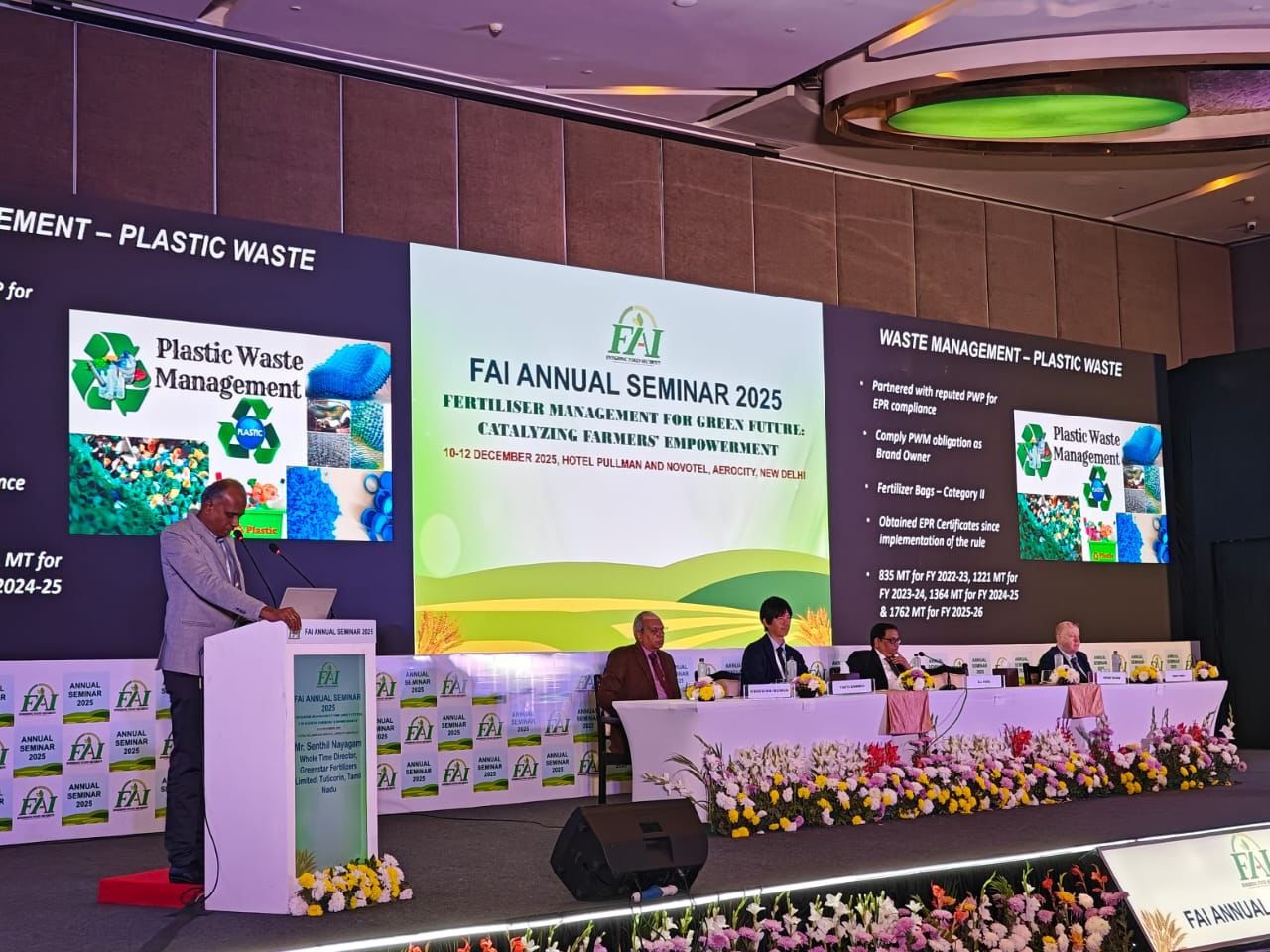
New Delhi (Economy India): The FAI Annual Conference 2025, held in the national capital, emerged as a pivotal forum for India’s fertiliser industry at a time when sustainability, climate responsibility, and food security are reshaping policy and business priorities. The annual gathering brought together senior government officials, fertiliser manufacturers, global technology providers, researchers, and sectoral experts to deliberate on the future direction of one of India’s most strategic industries.
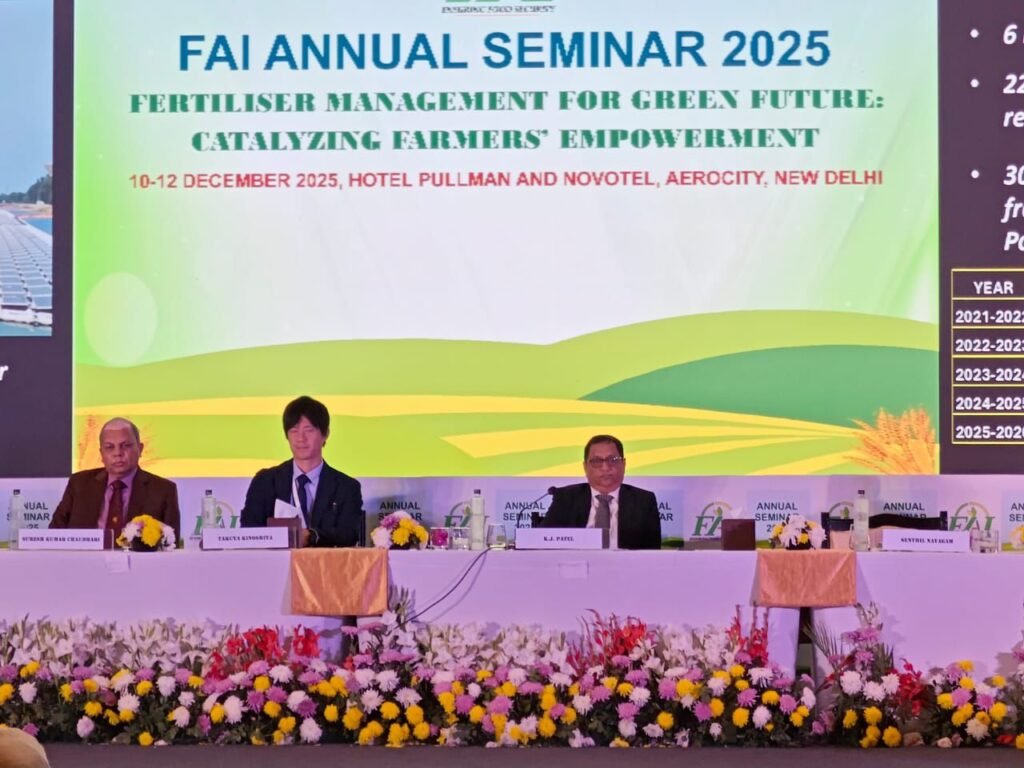
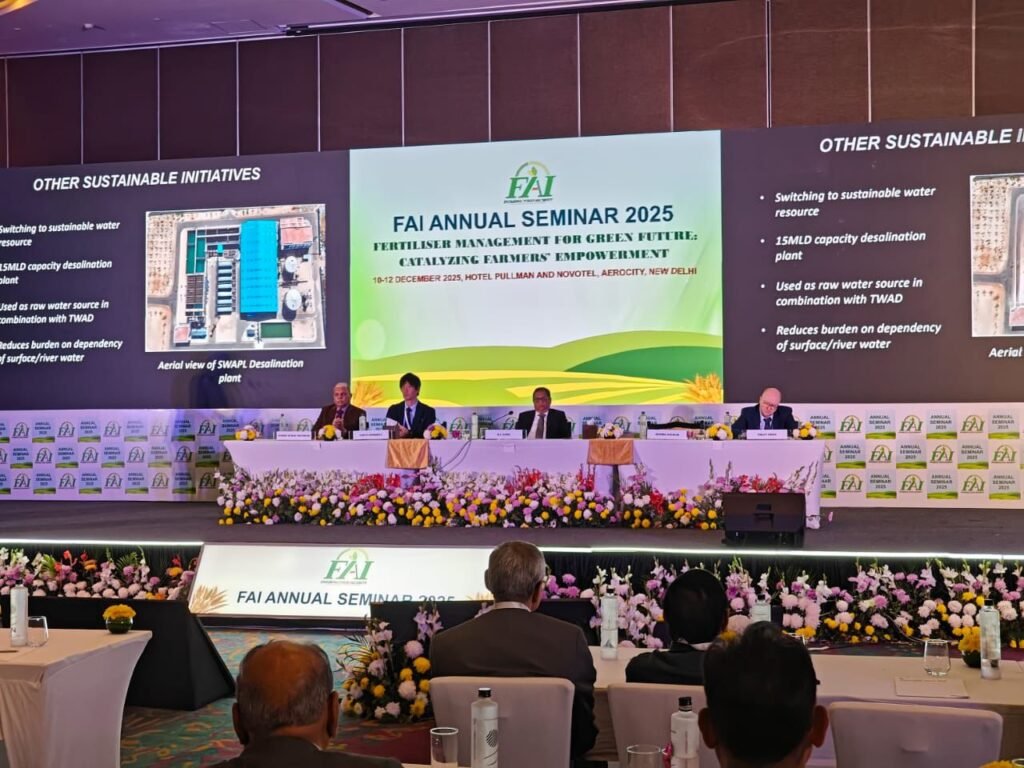
A key highlight of the conference was a high-level session on “Green Solutions for Fertiliser Production”, chaired by Shri K. J. Patel, Managing Director of Indian Farmers Fertiliser Cooperative (IFFCO). The session focused on accelerating the adoption of sustainable technologies, reducing the sector’s carbon footprint, and ensuring efficient utilisation of natural resources—without compromising India’s agricultural productivity and food security.
Fertiliser Industry at a Crossroads
India is one of the world’s largest producers and consumers of fertilisers, with the sector playing a central role in supporting agricultural output, farmer incomes, and rural livelihoods. However, fertiliser manufacturing is also energy-intensive, making it a significant contributor to industrial emissions.
Against this backdrop, the FAI Annual Conference 2025 underscored that the industry is at a critical inflection point, where environmental sustainability is no longer optional but integral to long-term competitiveness and policy alignment.
Speakers noted that global trends—ranging from tighter climate regulations and carbon pricing to investor scrutiny and supply chain decarbonisation—are compelling fertiliser companies to rethink traditional production models.
Green Solutions Take Centre Stage
Chairing the session, Shri K. J. Patel highlighted the urgent need for the fertiliser industry to adopt cleaner and greener production pathways. He emphasised that sustainability must be embedded across the value chain—from raw material sourcing and energy consumption to manufacturing processes and logistics.
The session examined a range of emerging and scalable solutions, including:
- Low-carbon and energy-efficient production technologies
- Use of renewable energy and green hydrogen
- Green ammonia and alternative feedstocks
- Water-use efficiency and waste minimisation
- Circular economy approaches in fertiliser manufacturing
Experts agreed that while the transition may involve higher upfront investments, long-term benefits include lower operating costs, reduced environmental risks, and improved global competitiveness.
Reducing Carbon Footprint Without Disrupting Supply
One of the central themes of the discussion was balancing emissions reduction with supply stability. Fertilisers remain essential for maintaining crop yields and ensuring food availability for a growing population.
Shri Patel noted that India cannot afford disruptions in fertiliser supply, particularly during critical sowing seasons. He stressed that green solutions must be scalable, reliable, and economically viable, allowing the industry to transition smoothly while meeting farmer demand.
Participants discussed phased adoption strategies, where conventional technologies are gradually upgraded with cleaner alternatives, supported by policy incentives and technology partnerships.
Green Hydrogen and Ammonia: The Next Frontier
A major area of focus was the role of green hydrogen and green ammonia in decarbonising fertiliser production. Since ammonia is a key input in nitrogen-based fertilisers, transitioning to green ammonia could significantly cut emissions.
Industry experts highlighted that while green hydrogen technology is still evolving, costs are expected to decline with scale, technological advancements, and government support. India’s broader push towards a national green hydrogen ecosystem could provide a strong foundation for fertiliser manufacturers.
Panelists called for closer coordination between fertiliser producers, energy companies, and policymakers to develop infrastructure, ensure supply reliability, and make green inputs commercially viable.
Efficient Resource Utilisation and Circular Economy
Beyond energy transition, the session also addressed the importance of resource efficiency. Speakers highlighted that optimising water usage, reducing waste, and adopting circular economy practices can significantly improve environmental performance.
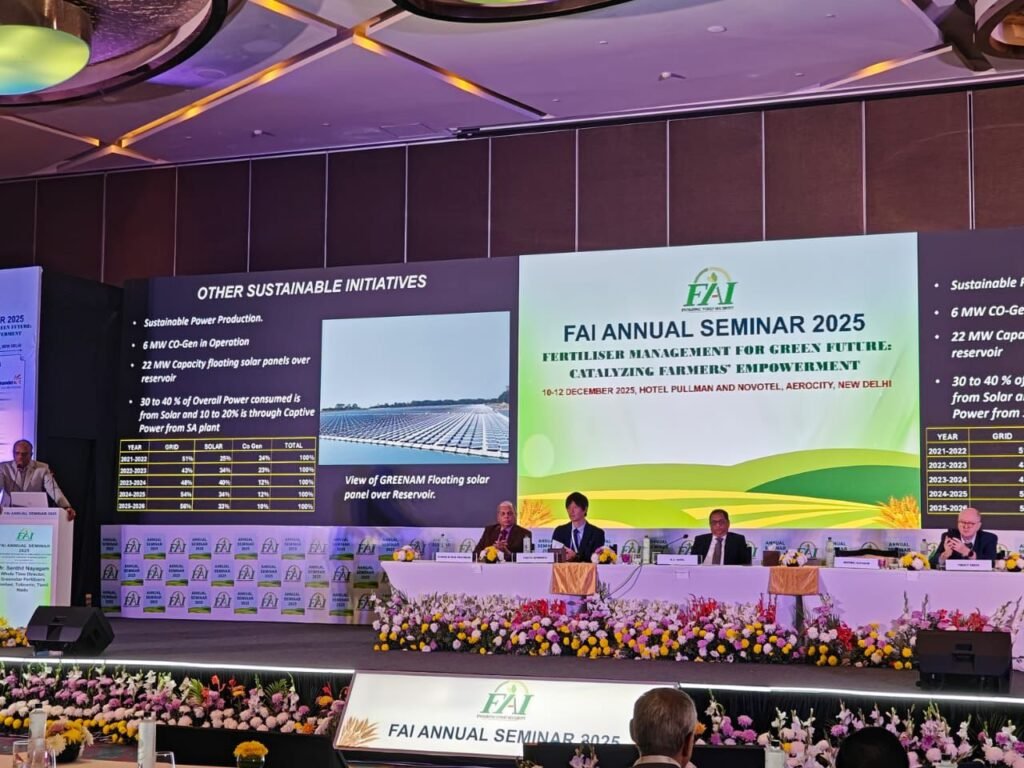
Innovations such as waste heat recovery, recycling of by-products, and precision manufacturing were discussed as practical measures that can deliver both environmental and economic benefits.
Participants agreed that sustainability is not limited to emissions reduction alone but encompasses overall efficiency and responsible resource management.
Food Security Remains Central
A recurring theme throughout the session was the inseparable link between sustainability and food security. India’s fertiliser industry underpins the country’s agricultural ecosystem, supporting millions of farmers and ensuring stable food supplies.
Shri Patel emphasised that any transition towards green production must prioritise affordability and availability of fertilisers for farmers. Sudden cost escalations or supply constraints could have ripple effects across the rural economy.
Experts advocated for policy frameworks that balance environmental goals with farmer welfare, including targeted subsidies, transitional support mechanisms, and incentives for sustainable practices.
Role of Policy and Regulation
The conference highlighted that government policy will play a decisive role in shaping the industry’s green transition. Participants called for:
- Clear and stable regulatory frameworks
- Incentives for low-carbon investments
- Support for research and development
- Public-private partnerships to scale innovation
Several speakers noted that coordinated action between ministries—covering fertilisers, energy, environment, and agriculture—will be essential to avoid policy fragmentation.
Industry Collaboration and Innovation
The session underscored that no single company or technology can drive the transition alone. Collaboration across the industry, academia, and global technology providers was identified as a key success factor.
FAI’s role as an industry body was highlighted in facilitating knowledge-sharing, benchmarking best practices, and aligning stakeholders around common sustainability goals.
Global Context and Competitive Pressures
With international markets increasingly favouring low-carbon products, Indian fertiliser manufacturers face growing pressure to align with global sustainability standards. Export-oriented players, in particular, will need to demonstrate credible decarbonisation pathways.
Speakers noted that early adopters of green technologies could gain a strategic advantage, accessing global capital, partnerships, and markets more easily.
Looking Ahead: A Gradual but Inevitable Transition
The discussions at the FAI Annual Conference 2025 made it clear that the fertiliser industry’s green transition will be gradual but irreversible. While challenges remain—ranging from technology costs to infrastructure gaps—the direction of travel is firmly established.
Shri K. J. Patel concluded that sustainability should be viewed not as a compliance burden, but as an opportunity to future-proof the industry, enhance efficiency, and contribute meaningfully to India’s climate and food security goals.
The FAI Annual Conference 2025 reaffirmed the fertiliser sector’s commitment to aligning industrial growth with environmental responsibility. The session on green solutions, chaired by IFFCO MD K. J. Patel, highlighted that the path to sustainability lies in innovation, collaboration, and balanced policymaking.
As India seeks to achieve its climate targets while feeding a growing population, the fertiliser industry’s transition towards greener production models will remain a cornerstone of the country’s sustainable development strategy.
Economy India Takeaway
The fertiliser industry is entering a decisive decade where sustainability, technology, and food security must advance together. Leadership-driven dialogue, such as that seen at the FAI Annual Conference 2025, will be critical in shaping a resilient and future-ready sector.
(Economy India)