Sub-headline: Overall coal imports decline due to higher domestic availability, but coking coal shipments surge 12% as steel plants build safety inventories for the winter season
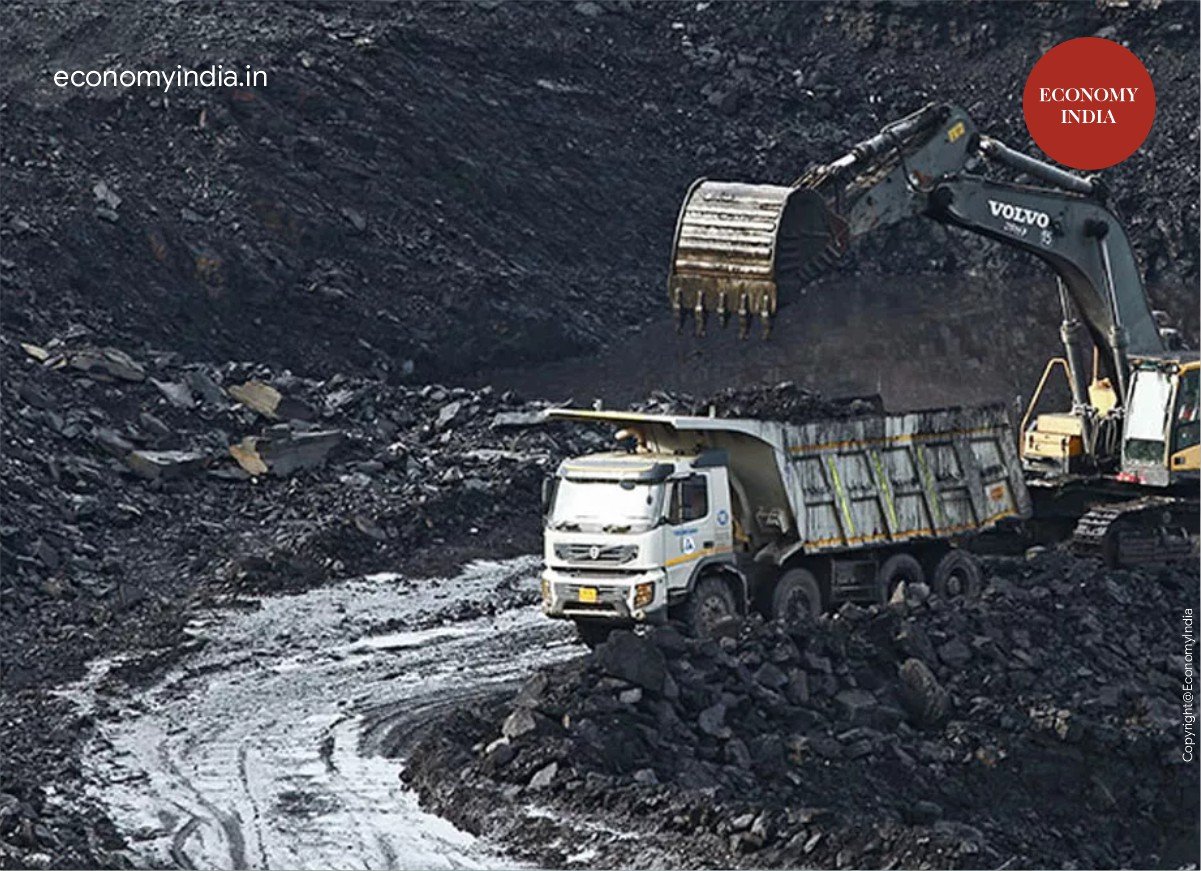
New Delhi (Economy India): India witnessed a mixed trend in coal imports during October, with a notable rise in coking coal shipments even as overall coal imports declined, according to initial industry estimates. The contrasting pattern reflects shifting dynamics in domestic supply, industrial demand and strategic winter stockpiling, particularly by the steel manufacturing sector.
Overall Coal Imports Fall Due to Ample Domestic Supply
Industry observers noted that India’s total coal imports dipped during October, largely because of improved domestic production and greater availability of non-coking (thermal) coal. With Coal India Ltd (CIL) maintaining steady output and power plants holding comfortable coal stocks, dependence on imported thermal coal continued to decline.

Analysts said that abundant domestic supply has allowed several power utilities and industrial consumers to cut back on foreign purchases, especially as global coal prices remain volatile.
Coking Coal Imports Jump 12%
In contrast to the overall decline, coking coal imports recorded a strong 12% rise in October. Imports increased from 4.5 million tonnes to around 5 million tonnes, driven mostly by the steel industry’s preparation for the winter season.
Coking coal is a critical raw material for steel production, used in blast furnaces to manufacture high-grade steel. As temperatures drop, steel plants generally step up procurement to build strategic reserves for uninterrupted operations.

Winter Restocking Drives Demand
Officials familiar with the sector explained that winter months often pose logistical challenges such as port congestion and slower transportation. To avoid production disruptions, steel manufacturers adopt an “early stocking policy,” increasing purchases during October–December.
“This is a typical winter pattern. Steel plants prefer to maintain higher inventory levels to ensure smooth production during peak construction and infrastructure demand,” an industry expert said.
Strengthening Steel Production Activity
The rise in coking coal imports also signals robust steel production activity nationwide. With major infrastructure projects, public construction works, and urban development schemes in full swing, demand for steel remains high.
Data from the Ministry of Steel indicates that India’s crude steel output has been growing consistently through the second half of 2025, further necessitating reliable inputs like coking coal—most of which India imports due to limited domestic reserves.
Domestic Coal Availability Eases Pressure on Non-Coking Imports
India’s improved domestic coal mining performance continues to reduce reliance on imported thermal coal. Coal India’s record production during the quarter ensured that power plants maintained sufficient stock levels.
Exports from major global suppliers—including Indonesia, Australia, and South Africa—also stabilized, but Indian importers limited purchases because of adequate internal supply.
Outlook: Import Trends to Remain Sector-Specific
Experts believe that the contrasting trend is likely to persist:
- Thermal coal imports may remain subdued if domestic production stays strong.
- Coking coal imports could continue rising in the coming months, depending on steel demand and global price movements.
Moreover, any supply constraints from Australia—India’s top coking coal supplier—could influence future import costs.
India’s coal import pattern in October reflects a dual-track trend:
- Reduced dependence on imported thermal coal because of strong domestic supply, and
- Increased reliance on coking coal imports due to winter stockpiling and sustained steel sector demand.
As winter progresses and infrastructure activity accelerates, coking coal shipments may remain elevated, reaffirming their strategic importance for India’s industrial growth.
(Economy India)