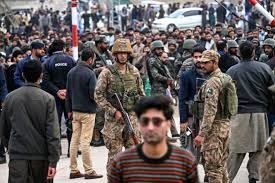
Blast during Friday prayers at Khadijah al-Kubra mosque in Islamabad’s Tarlai area; several injured critical
Islamabad (Economy India): At least 31 people were killed and 169 others injured in a devastating suicide bombing at a Shia mosque in Pakistan’s capital on Friday, marking one of the deadliest sectarian attacks in recent years, officials said.
The blast occurred during Friday prayers at the Khadijah al-Kubra mosque-cum-imambargah in the Tarlai area of Islamabad, when a suicide bomber detonated explosives inside the mosque premises. The explosion was so powerful that it was heard from several kilometres away, triggering panic across the area.
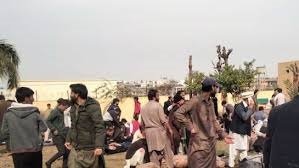
Attack During Prayers
According to police officials, the attacker entered the mosque as worshippers had gathered for congregational prayers and detonated the explosive device in the main prayer hall. The mosque was crowded at the time, leading to a high number of casualties.

Emergency services rushed to the scene, while hospitals across Islamabad were placed on high alert. Several of the injured are reported to be in critical condition, raising fears that the death toll could rise further.
Security on High Alert in Islamabad
Following the attack, security forces sealed off the area and launched a search and clearance operation to rule out the presence of any additional explosives. Authorities also increased security around religious sites, government buildings, and sensitive locations across the capital.
Pakistan’s Interior Ministry condemned the attack and described it as a cowardly act of terrorism aimed at destabilising communal harmony.
Condemnation and National Response
Senior government officials and political leaders strongly condemned the bombing, expressing condolences to the families of the victims. The Prime Minister vowed that those responsible would be brought to justice, reiterating the government’s commitment to eliminating terrorism in all its forms.
“This attack on innocent worshippers is an attack on Pakistan’s peace and unity,” a government spokesperson said.
Sectarian Violence Resurfaces
The attack has renewed concerns over sectarian violence, particularly targeting Pakistan’s Shia community, which has faced repeated attacks by extremist groups over the past two decades.
While militant violence had declined in recent years due to counter-terrorism operations, analysts warn that such incidents indicate a resurgence of extremist threats, especially in urban centres.
No group has immediately claimed responsibility for the attack, though investigations are underway to determine the perpetrators and their affiliations.
The Islamabad mosque bombing underscores the persistent security challenges facing Pakistan, even in its heavily guarded capital. As the nation mourns the loss of innocent lives, pressure is mounting on authorities to strengthen intelligence coordination and protect vulnerable religious communities from extremist violence.
(Economy India)