
Corporate Earnings & Business Analysis
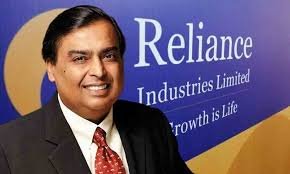
Mumbai | Economy India | Reliance Industries Limited (RIL), India’s largest company by market capitalisation, reported a largely flat consolidated net profit of ₹18,645 crore for the October–December 2025 quarter (Q3 FY26), reflecting a phase of operational stability amid sector-specific headwinds. The muted profit growth came as a slowdown in the retail business and a decline in natural gas production offset steady contributions from other verticals within the group’s diversified portfolio.
The Mukesh Ambani-led conglomerate had posted a net profit of ₹18,540 crore in the same quarter of the previous financial year, underscoring the marginal year-on-year improvement. While headline numbers suggest stagnation, analysts believe the results reveal a deeper transition underway at Reliance, as it balances near-term challenges with long-term investments across digital services, consumer businesses, and clean energy.
Quarter in Context: Stability in a Challenging Environment
The December quarter unfolded against a backdrop of moderating consumer demand, volatile global energy markets, and heightened competition across sectors. For RIL, these conditions translated into pressure on consumer-facing retail operations and lower upstream energy output, two areas that have historically contributed significantly to earnings momentum.
Despite these headwinds, Reliance managed to maintain profit stability, reflecting the strength of its diversified business model and disciplined cost management across verticals.
Retail Business: Growth Engine Faces Demand Moderation
Reliance Retail Ventures Limited (RRVL), one of the group’s most closely watched businesses, experienced slower growth during the quarter, weighed down by cautious consumer sentiment and margin pressures.
Industry-wide trends suggest that discretionary consumption softened during the festive season, particularly in urban markets, as households adjusted spending amid inflationary pressures and higher interest rates. This moderation impacted footfalls, same-store sales growth, and profitability across segments such as fashion, lifestyle, and consumer electronics.
While grocery and daily essentials continued to provide volume support, margins in these categories remain structurally lower, contributing to overall profitability pressures. Analysts note that the retail business is currently in a consolidation phase, following rapid expansion over the past few years.
Nevertheless, Reliance Retail continues to invest in:
- Store network expansion across Tier-2 and Tier-3 cities
- Strengthening private label portfolios
- Enhancing omni-channel and digital retail capabilities
- Improving supply chain efficiency and backend integration
Market experts believe that once consumer demand revives, the scale and reach of Reliance Retail will allow it to regain earnings momentum swiftly.
Energy Segment: Gas Production Decline Weighs on Earnings
Another key factor impacting the December quarter performance was the decline in natural gas production from RIL’s upstream energy assets. Lower output from mature gas fields, coupled with regulatory and pricing constraints, affected revenues and margins in the exploration and production (E&P) segment.
While oil-to-chemicals (O2C) operations provided stability through operational efficiencies and product optimisation, the upstream weakness limited overall energy segment upside.
RIL continues to work on optimising production levels and aligning its energy portfolio with long-term transition goals. The company has repeatedly highlighted its intent to gradually shift from fossil-fuel-heavy earnings toward cleaner and more sustainable energy solutions.
Digital Services: Jio Remains a Pillar of Stability
Jio Platforms continued to deliver steady operational performance during the quarter, supported by strong data consumption trends and a large, loyal subscriber base. While the telecom sector faces intense competition, Jio’s scale, network quality, and bundled digital offerings have helped sustain revenue growth and margins.
The company remains focused on:
- Expanding 5G coverage and adoption
- Monetising digital services beyond connectivity
- Strengthening enterprise and cloud solutions
- Leveraging its digital ecosystem for cross-business synergies
Analysts view Jio as a long-term value driver within the Reliance group, providing predictable cash flows that help offset volatility in other segments.
Diversification as a Strategic Advantage
Reliance Industries’ ability to absorb shocks in individual businesses stems from its deep diversification across energy, digital, retail, and emerging new energy verticals. This structure has allowed the company to maintain earnings stability even as individual segments face cyclical or structural challenges.
“The December quarter results highlight Reliance’s resilience. Retail and gas production pressures are real, but the company’s diversified portfolio continues to provide balance,” said a senior equity analyst tracking the stock.
Capital Expenditure and Long-Term Vision
RIL has made it clear that short-term earnings fluctuations will not derail its long-term investment strategy. The company continues to deploy capital across:
- Digital infrastructure and next-generation connectivity
- Retail logistics, warehousing, and technology platforms
- New energy initiatives, including green hydrogen, solar modules, and battery storage
These investments are aligned with India’s broader economic priorities, including digital inclusion, consumption-led growth, and the clean energy transition.
Management has consistently emphasised that the current phase represents investment-led transformation, rather than a slowdown in ambition.
Market Reaction and Investor Outlook
Market participants largely anticipated the flat earnings outcome, given prevailing macroeconomic conditions. While the results did not trigger sharp reactions, investors are expected to closely monitor:
- Signs of recovery in retail demand
- Improvement in gas production volumes
- Progress on monetisation of new energy projects
- Margin trends across core businesses
RIL’s strong balance sheet, access to capital, and execution capability continue to underpin investor confidence, even as near-term earnings growth remains modest.
Broader Implications for India Inc.
Reliance Industries’ Q3 performance also reflects broader trends within India Inc., where companies are navigating:
- A transition from consumption surge to stabilisation
- Shifts in global energy dynamics
- Increased focus on sustainability and digitalisation
As India’s largest corporate entity, RIL’s strategic choices often signal wider shifts in the economy. The current results suggest a phase of consolidation and recalibration rather than contraction.
Stability Today, Optionality for Tomorrow
Reliance Industries’ December quarter results underline a period of earnings stability amid transformation. While retail slowdown and gas production decline limited profit growth, the company’s diversified structure, disciplined execution, and long-term investments continue to provide resilience.
As consumer demand normalises and new growth engines mature, Reliance is well positioned to transition from stability to acceleration. For now, the Q3 numbers reinforce the group’s role as a steady anchor of India’s corporate landscape, navigating short-term challenges while building platforms for the next decade of growth.
(Economy India)